
Monet at The Metropolitan Museum of Art
The Metropolitan Museum of Art holds one of the deepest collections of Claude Monet (1840-1926) anywhere outside France. It spans almost his entire working life: the crisp Normandy light of the 1860s, the Seine years at Argenteuil and Vetheuil, the great serial campaigns of the 1890s, and the softening, near-abstract garden pictures painted at Giverny.
How the Met’s Monets came together
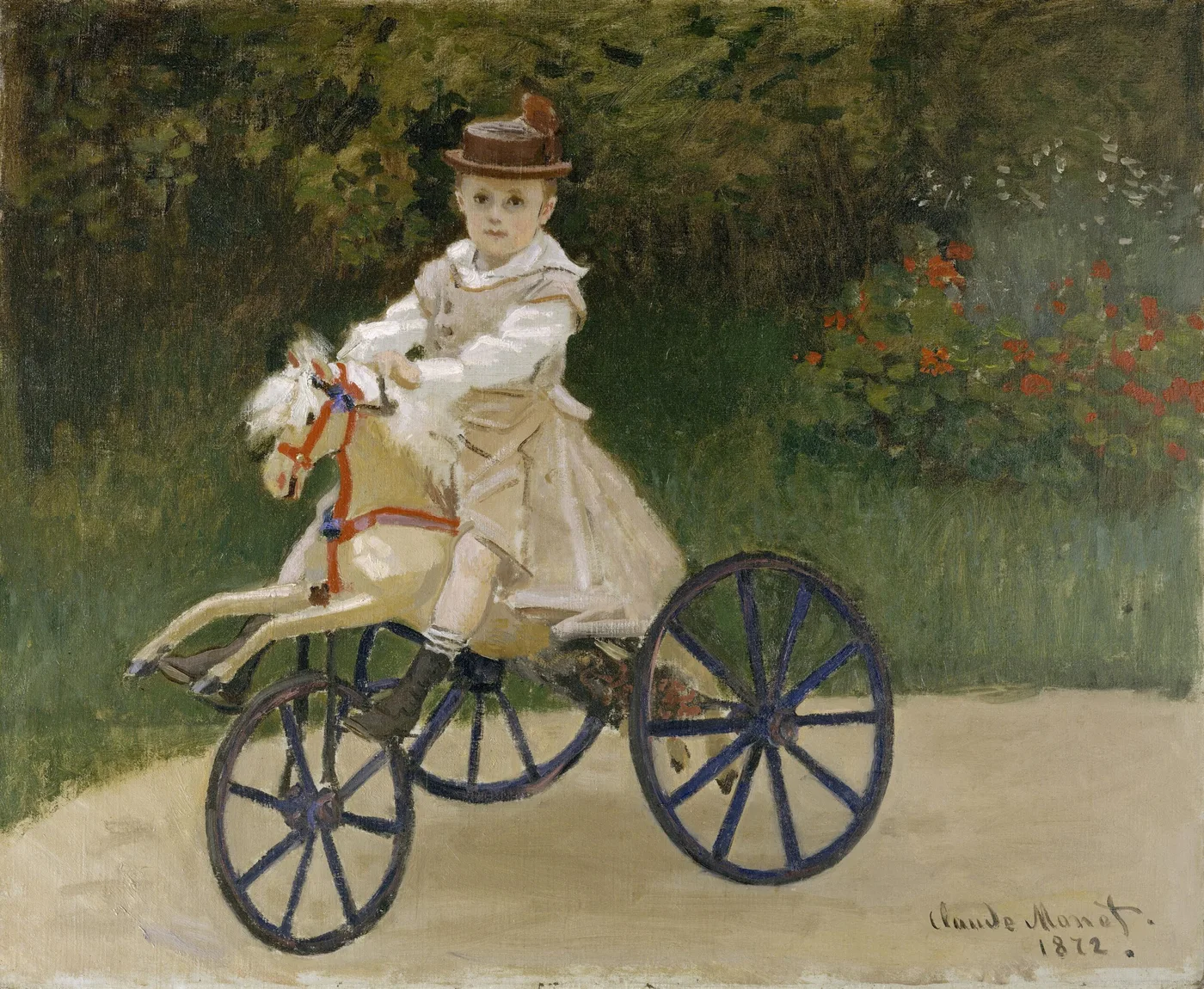
Much of the collection arrived through New York collectors who bought Impressionism while it was still contentious. The bequest of Louisine and H. O. Havemeyer, received in 1929, remains the cornerstone; later gifts and purchases filled the gaps between Monet’s early figure painting and his last decades in the garden. The result is a collection that reads less like a highlights reel and more like a biography.
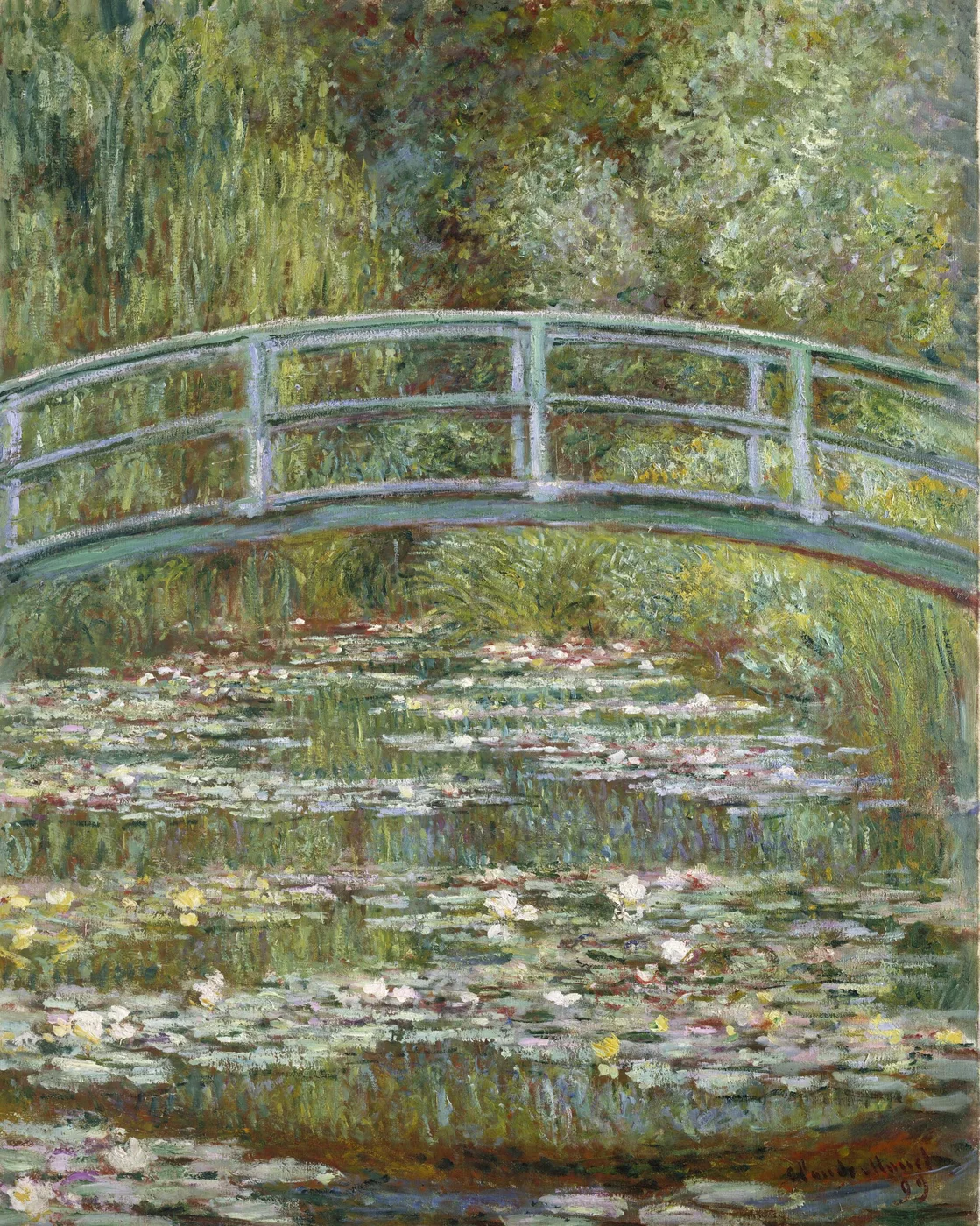
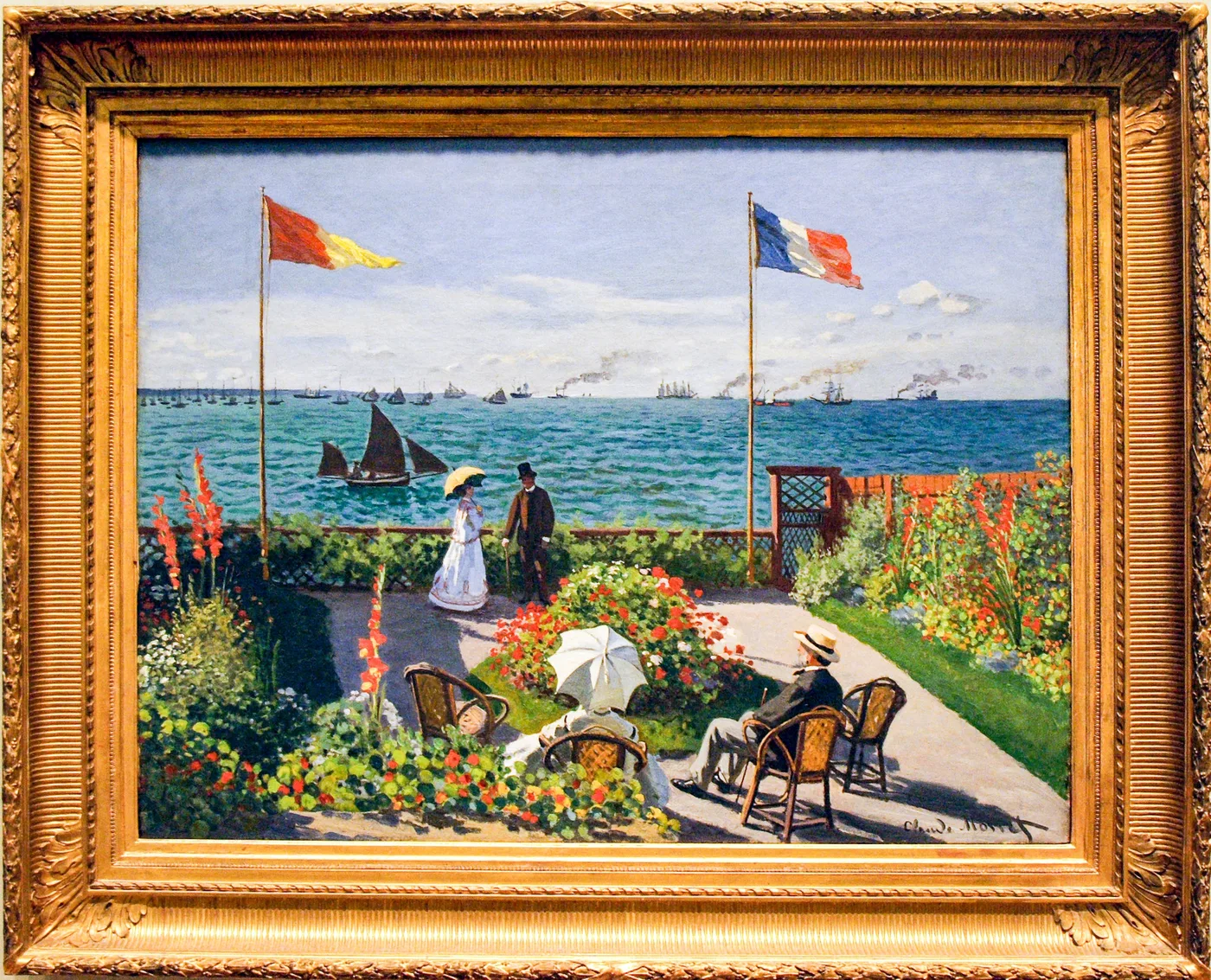
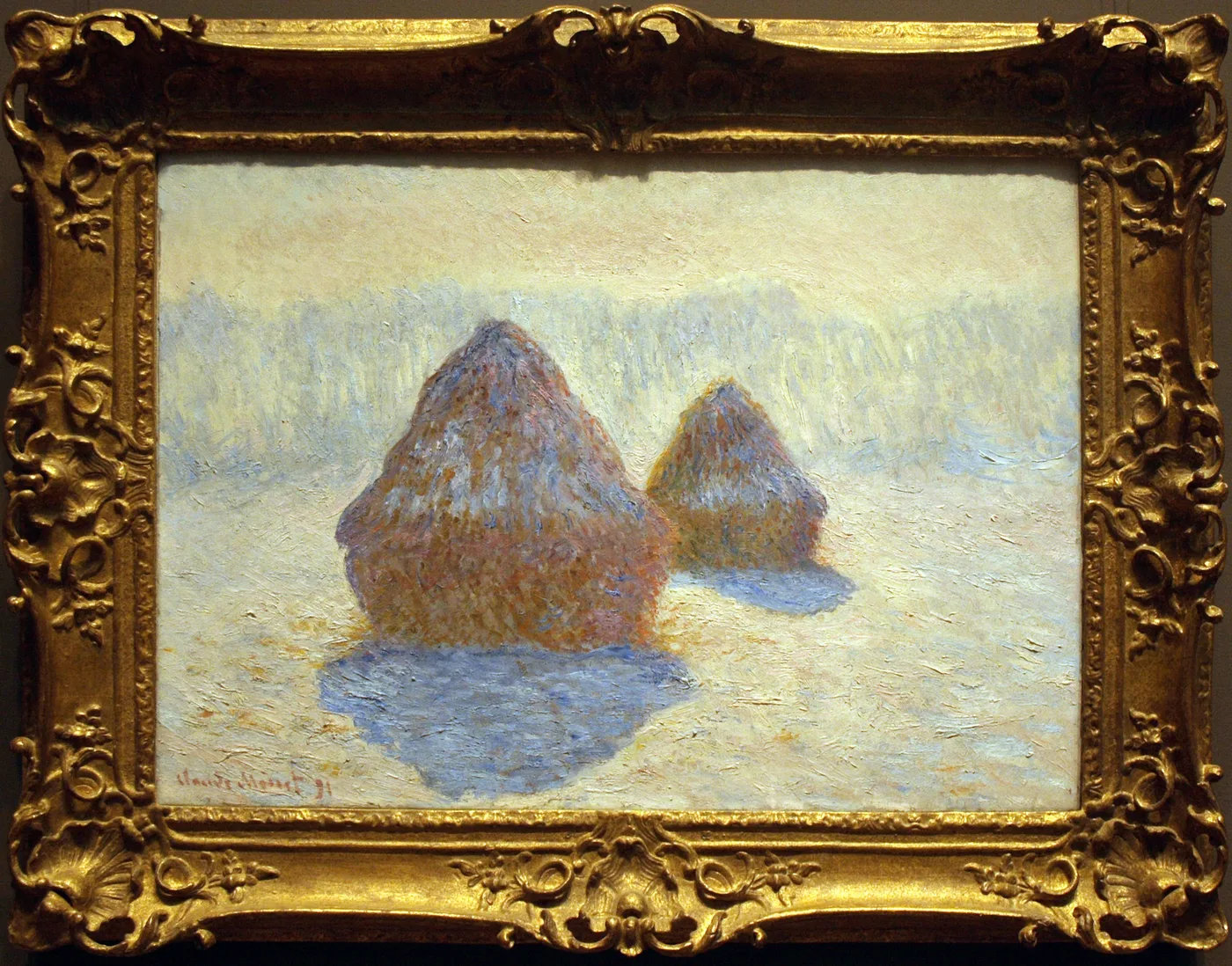
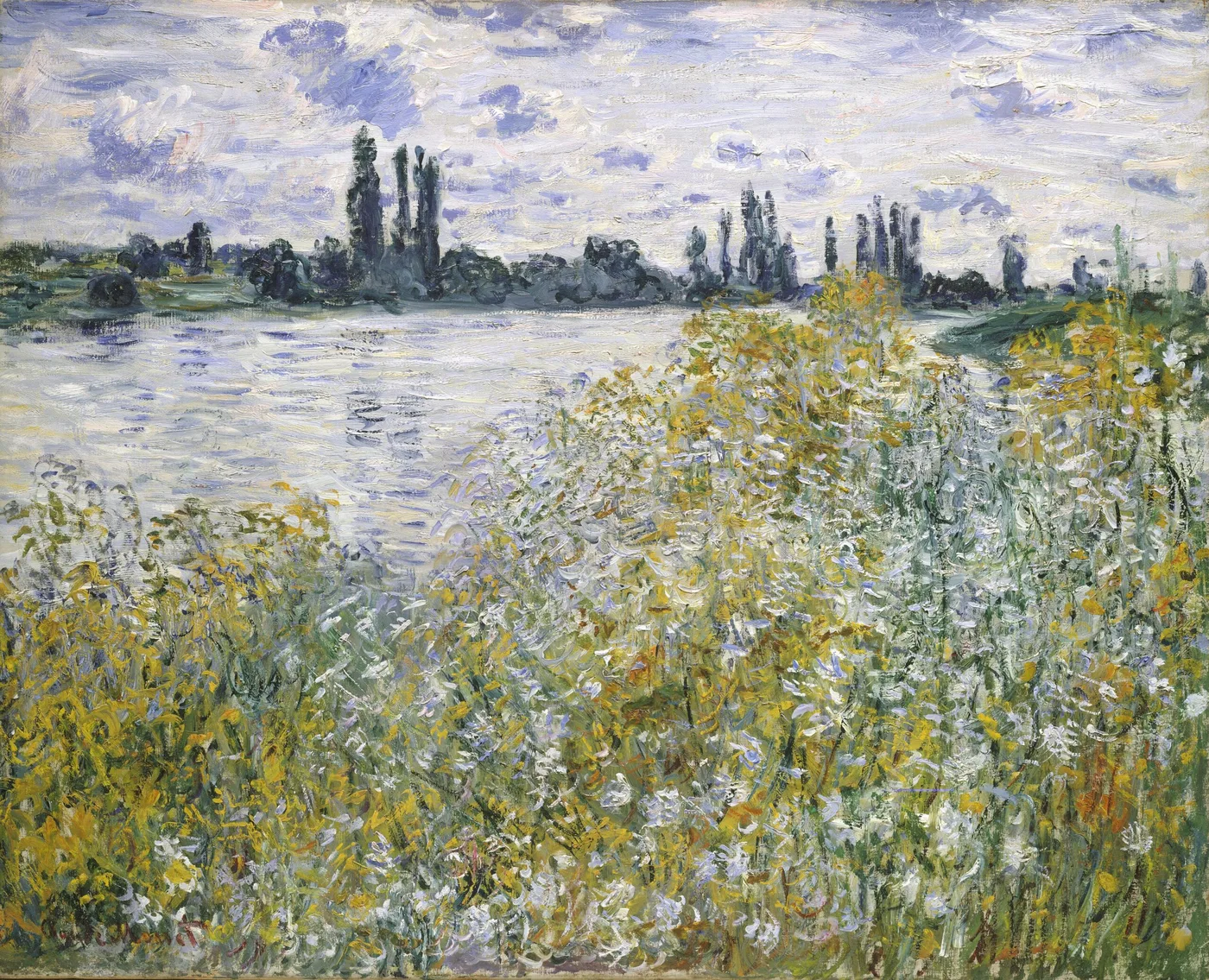
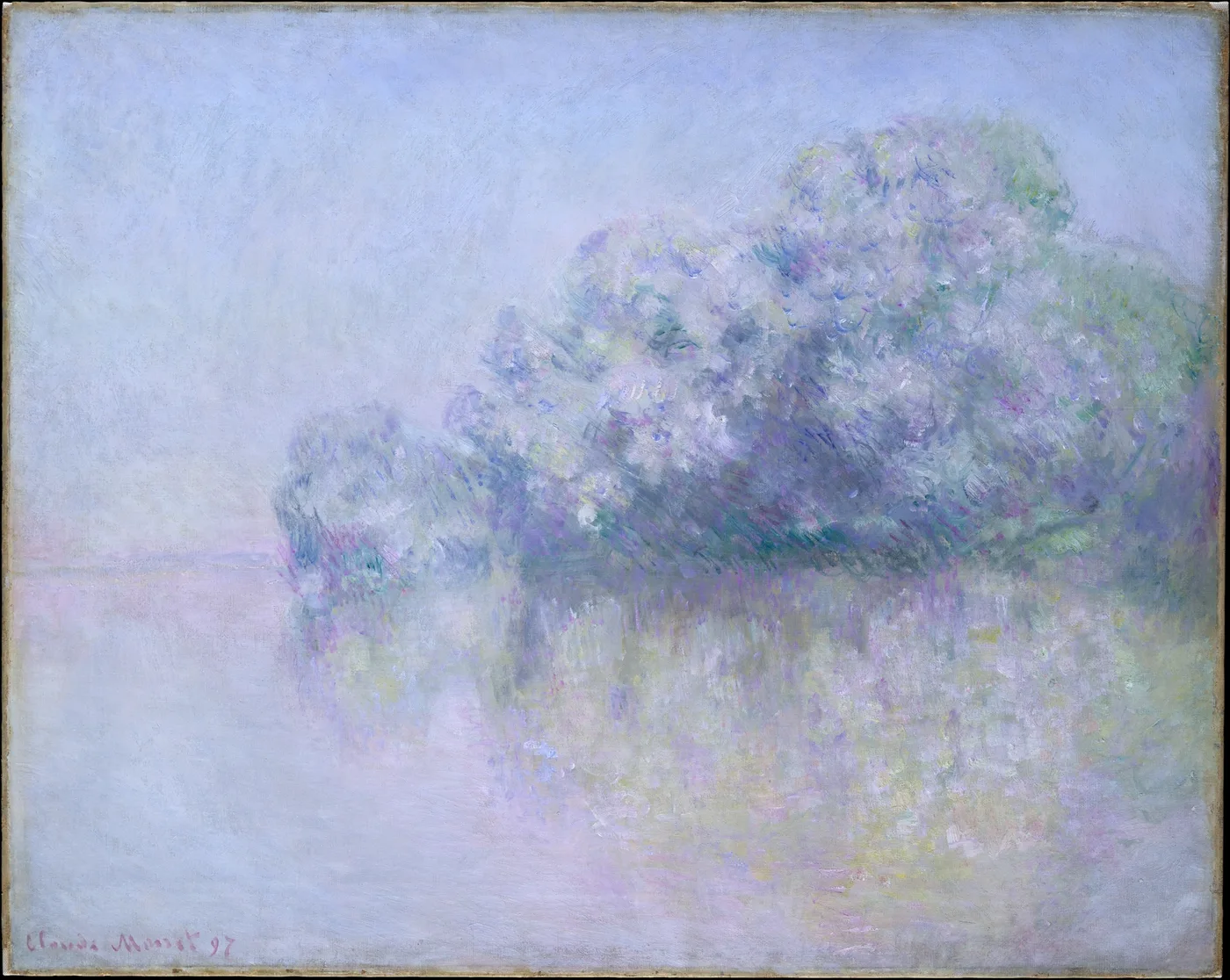
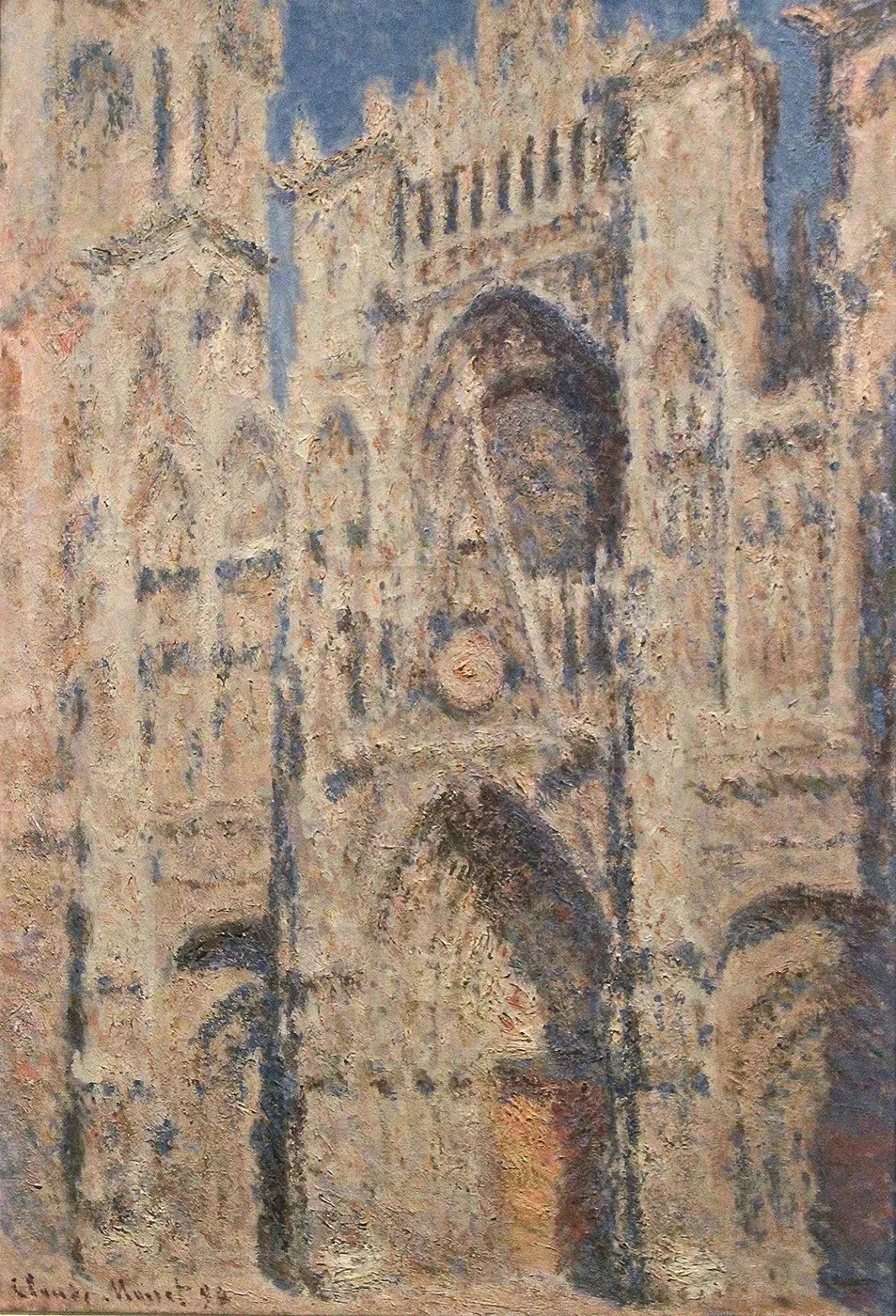
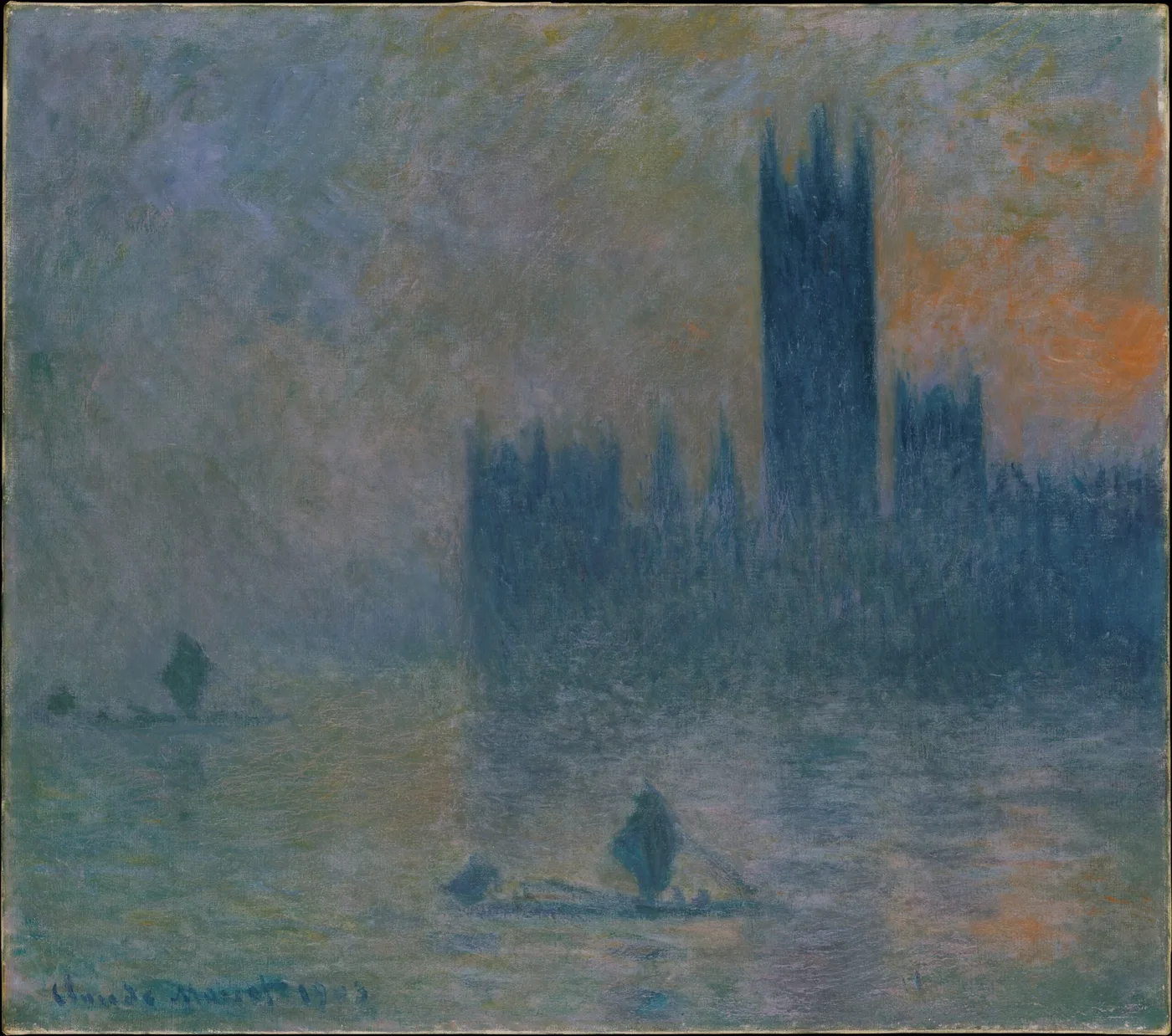
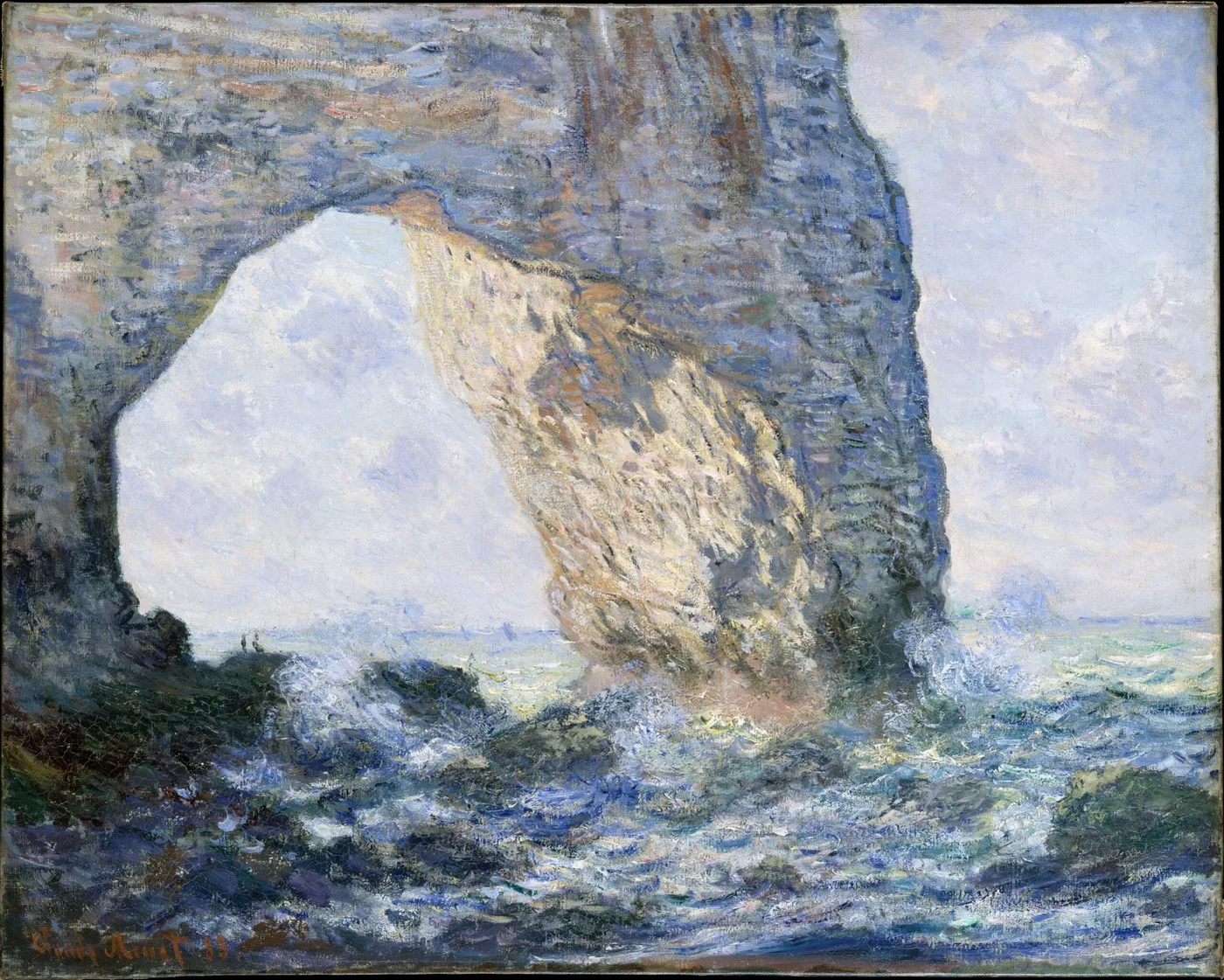
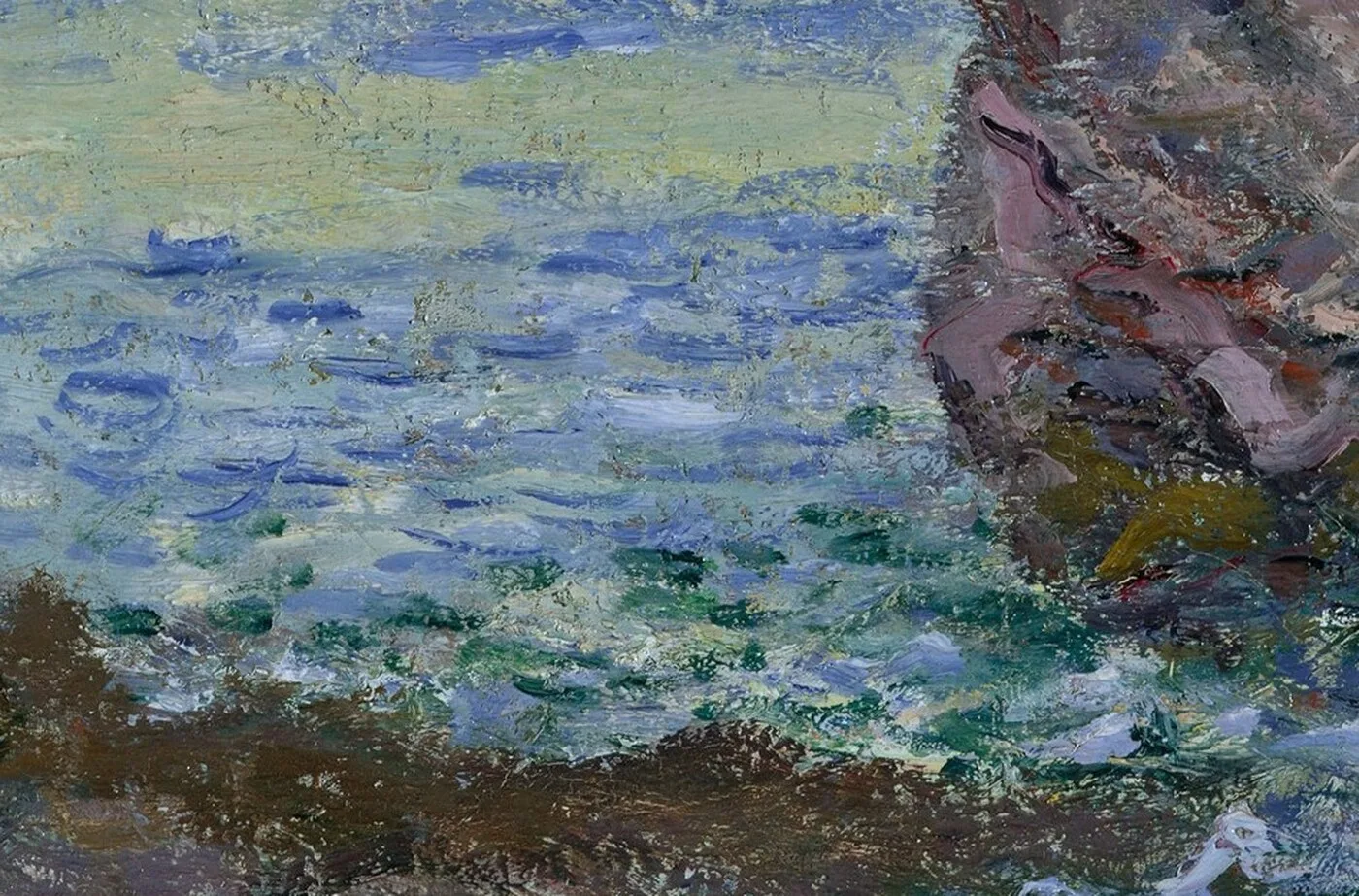
Visitors usually encounter Garden at Sainte-Adresse of 1867, one of the most quoted works of Monet’s youth, alongside La Grenouillere, the riverside bathing place where he and Renoir painted side by side in 1869. The serial pictures are strongly represented too, with grainstacks under snow, canvases from the Rouen Cathedral campaign, the cliffs and the Manneporte arch at Etretat, and views of the Japanese footbridge and lily pond at Giverny. Seen in sequence they show how Monet’s real subject slowly stopped being a place and became light itself. Every painting listed below can be commissioned as a hand-painted oil reproduction or ordered as an archival canvas print.
59 Monet works from The Metropolitan Museum of Art
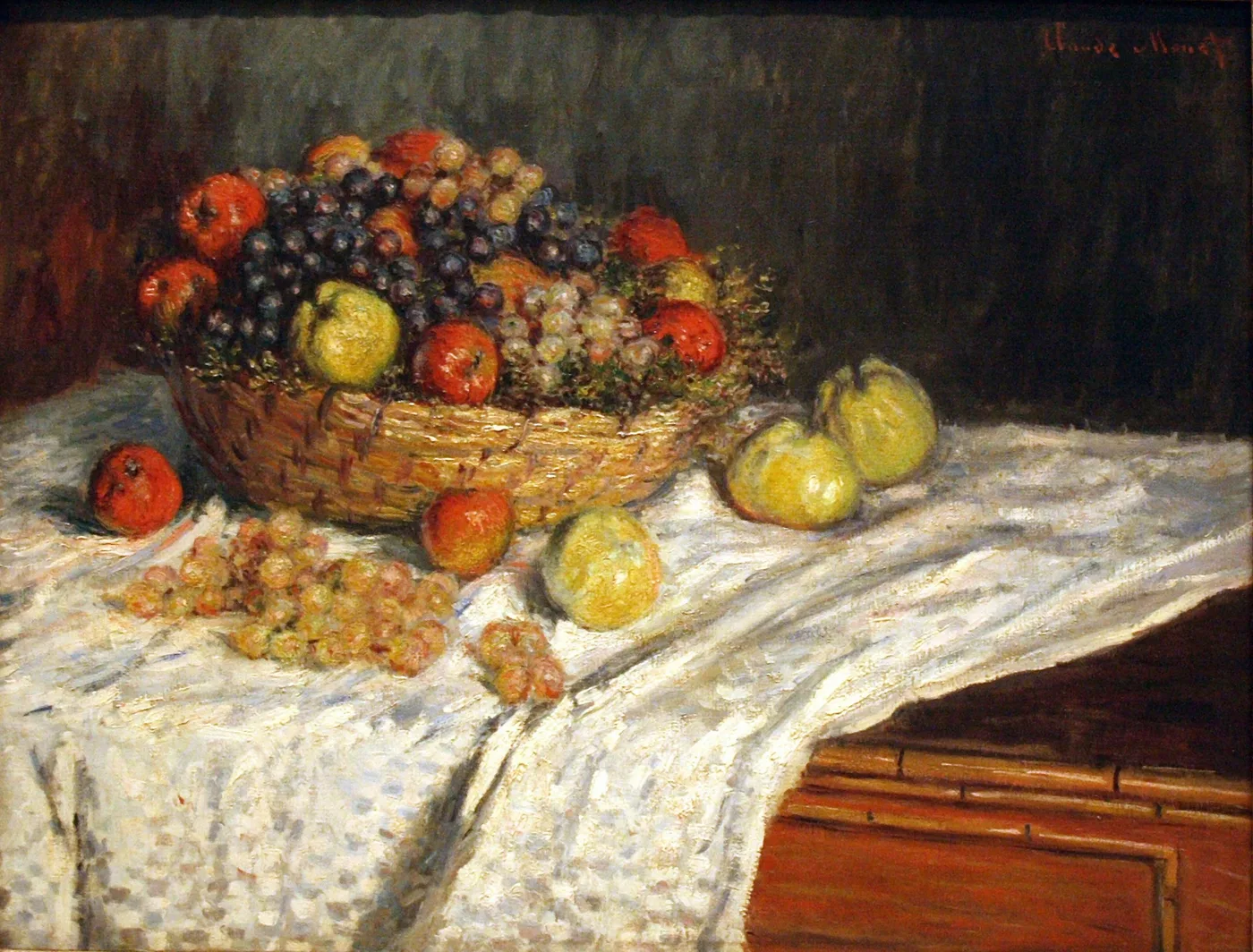
Apples and Grapes
1879-1880
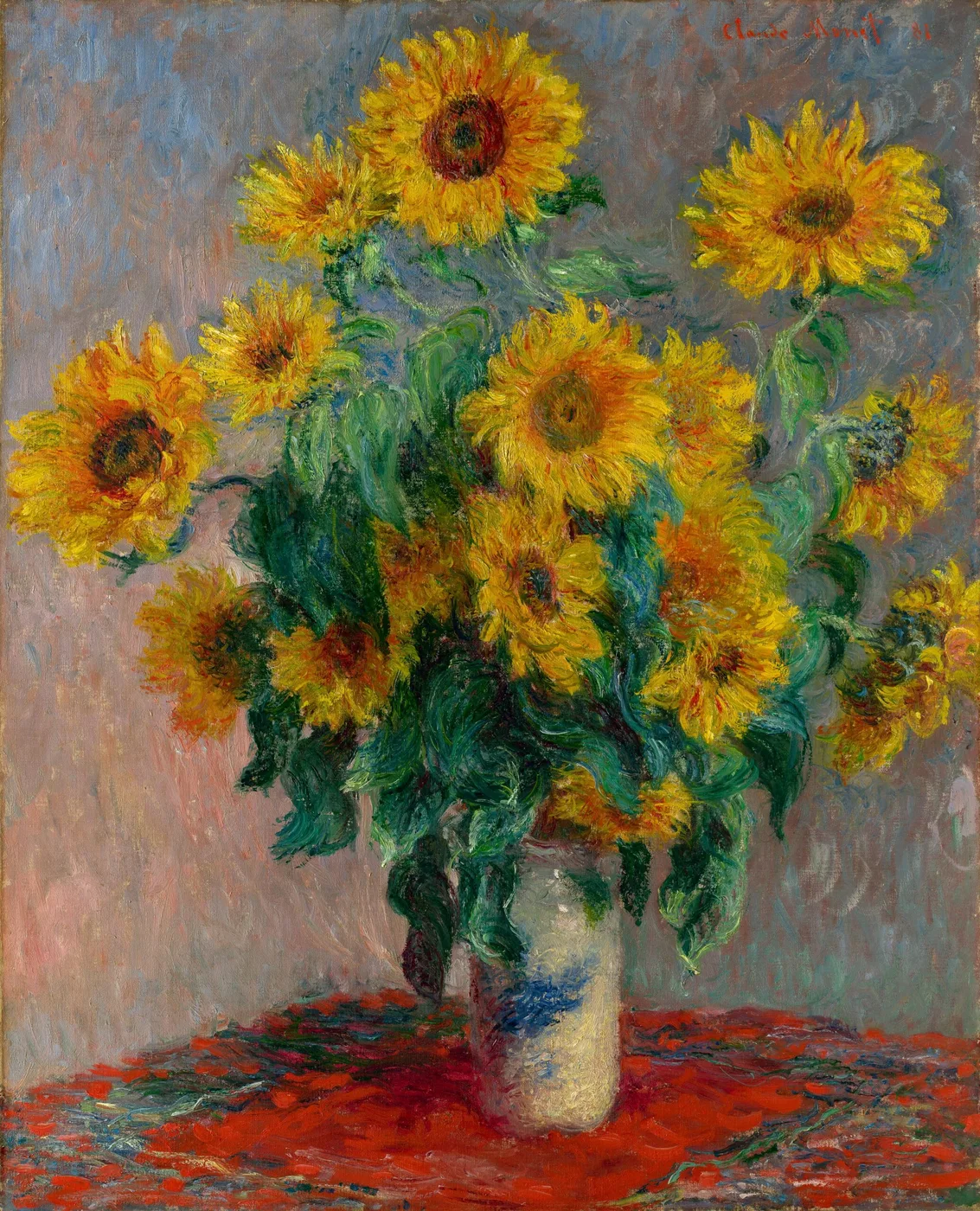
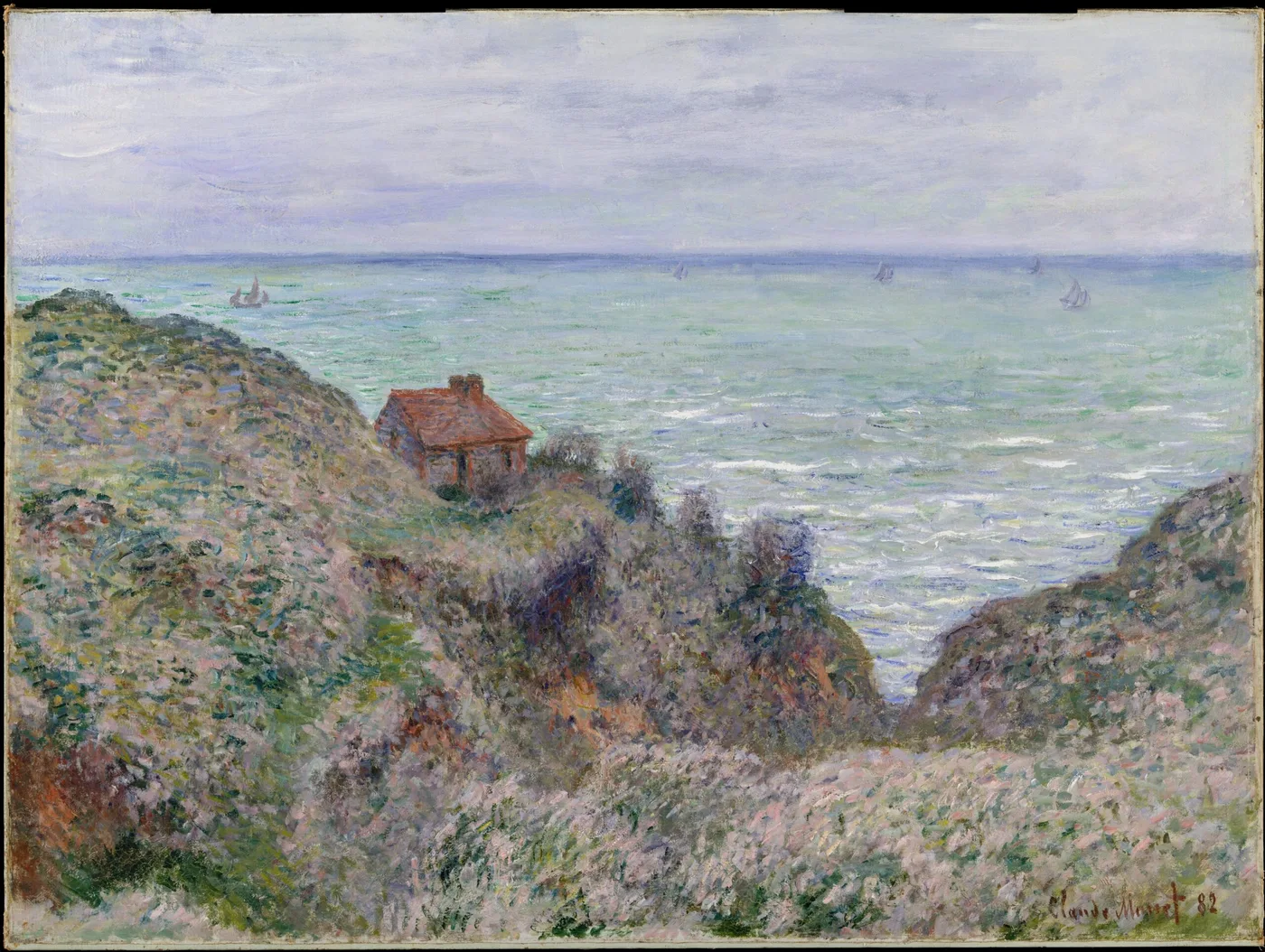
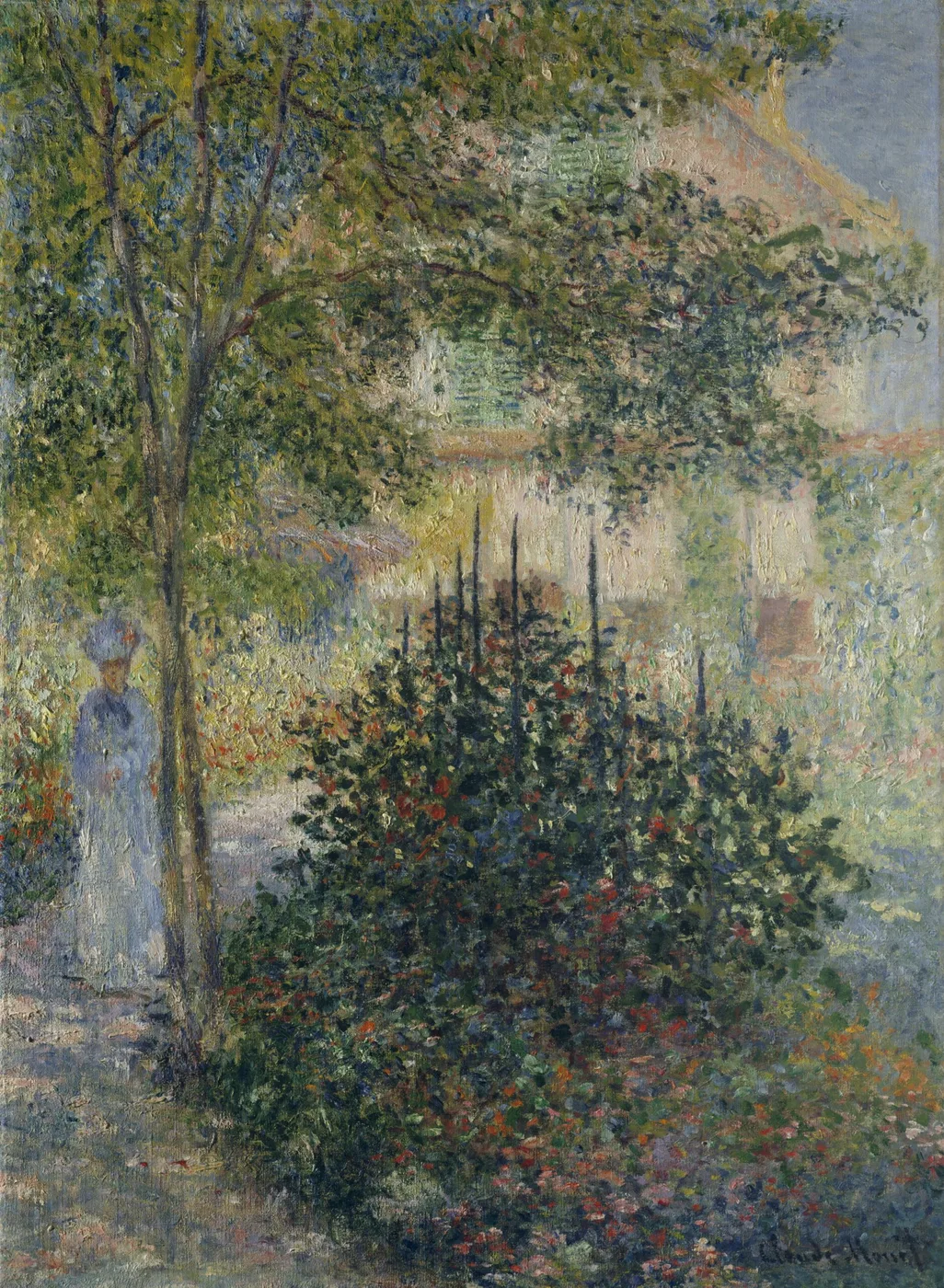
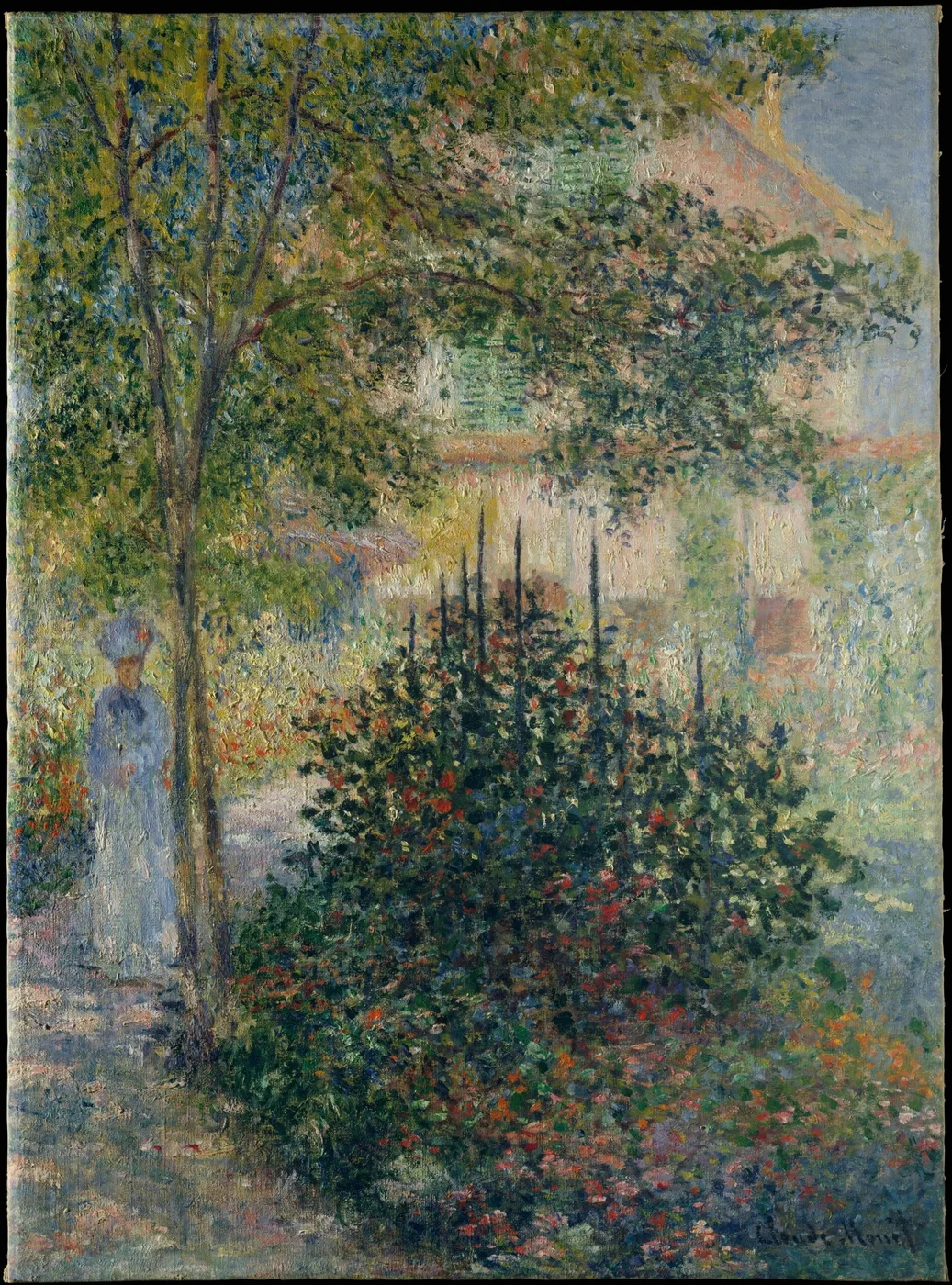
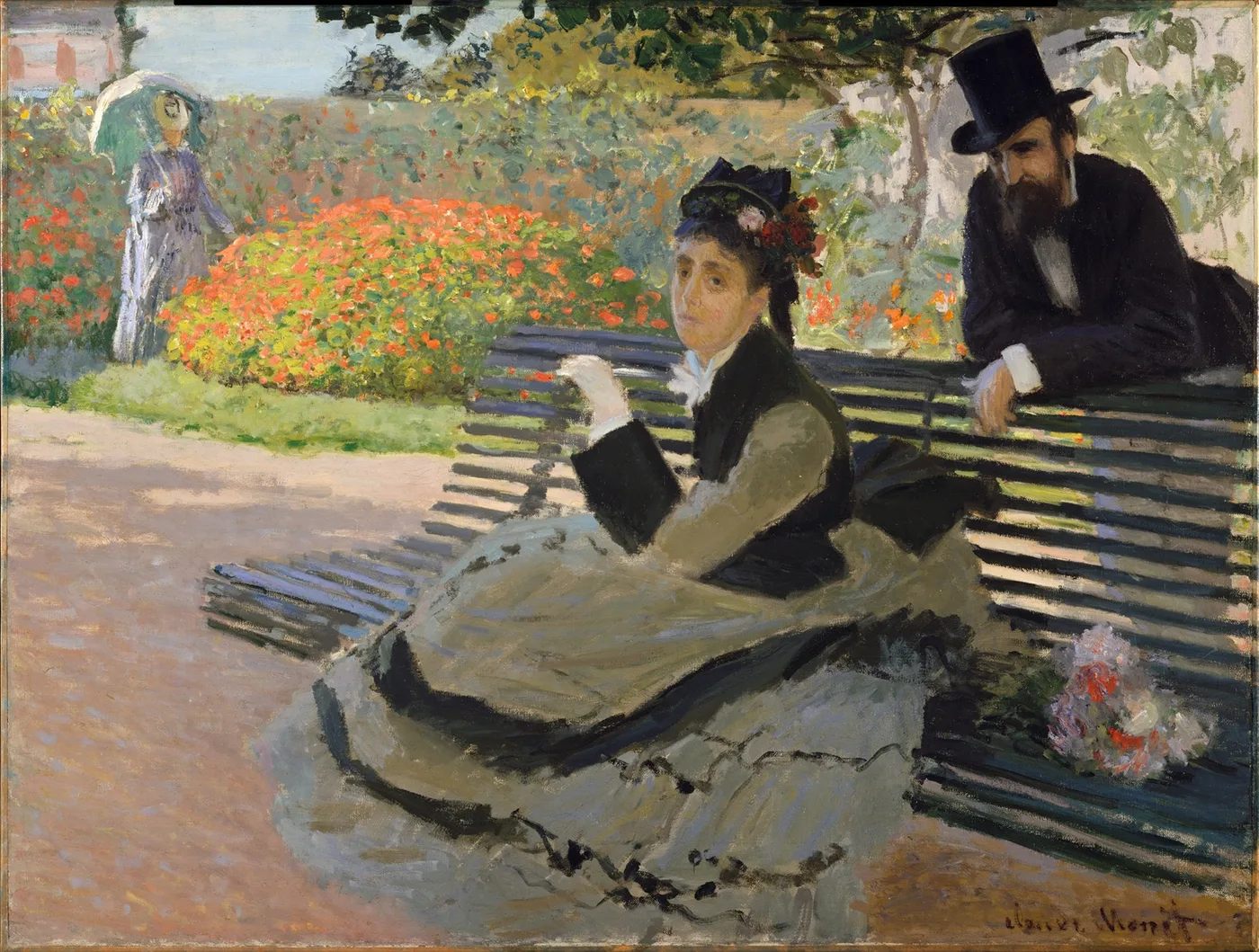
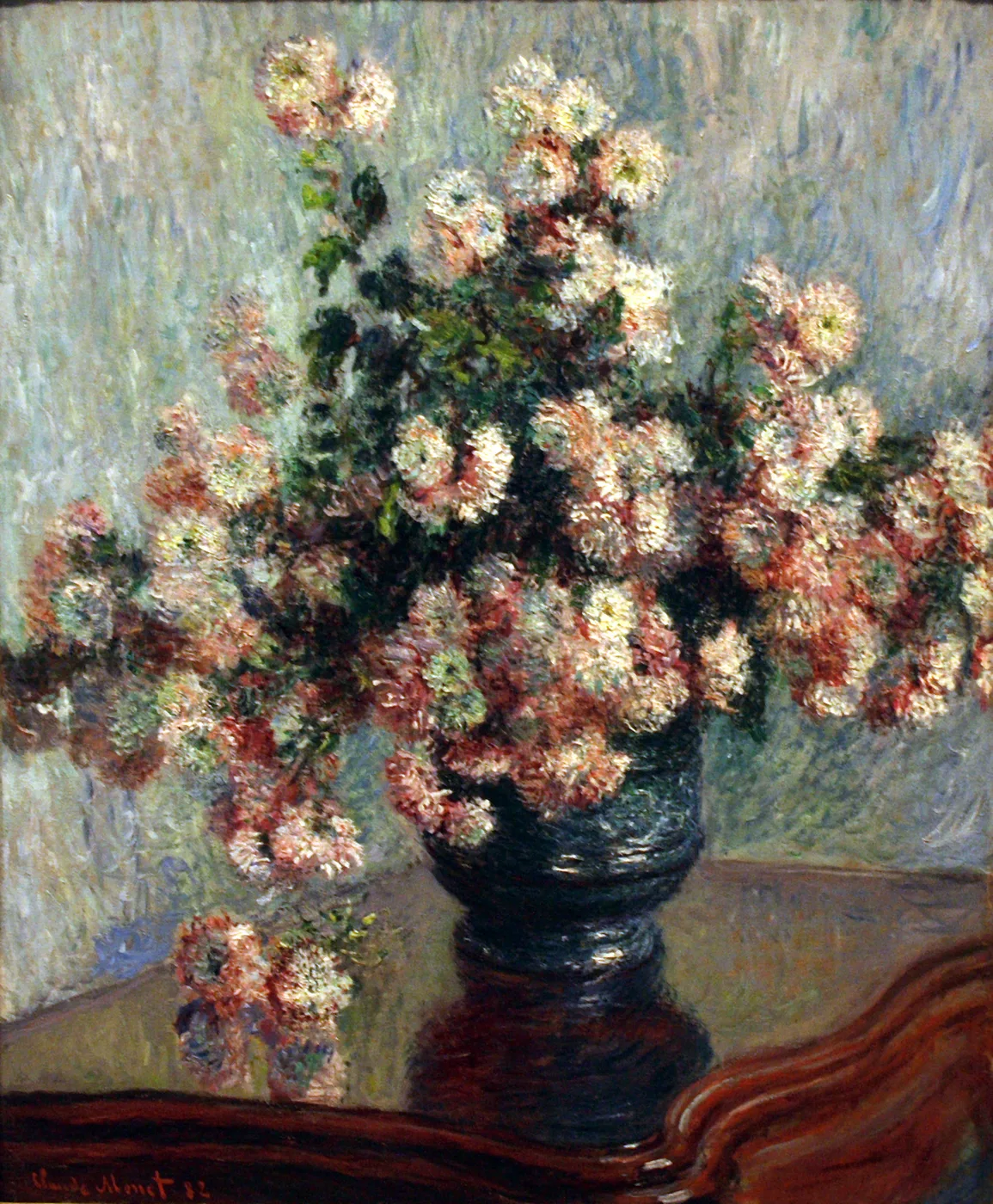
Chrysanthemums
1882
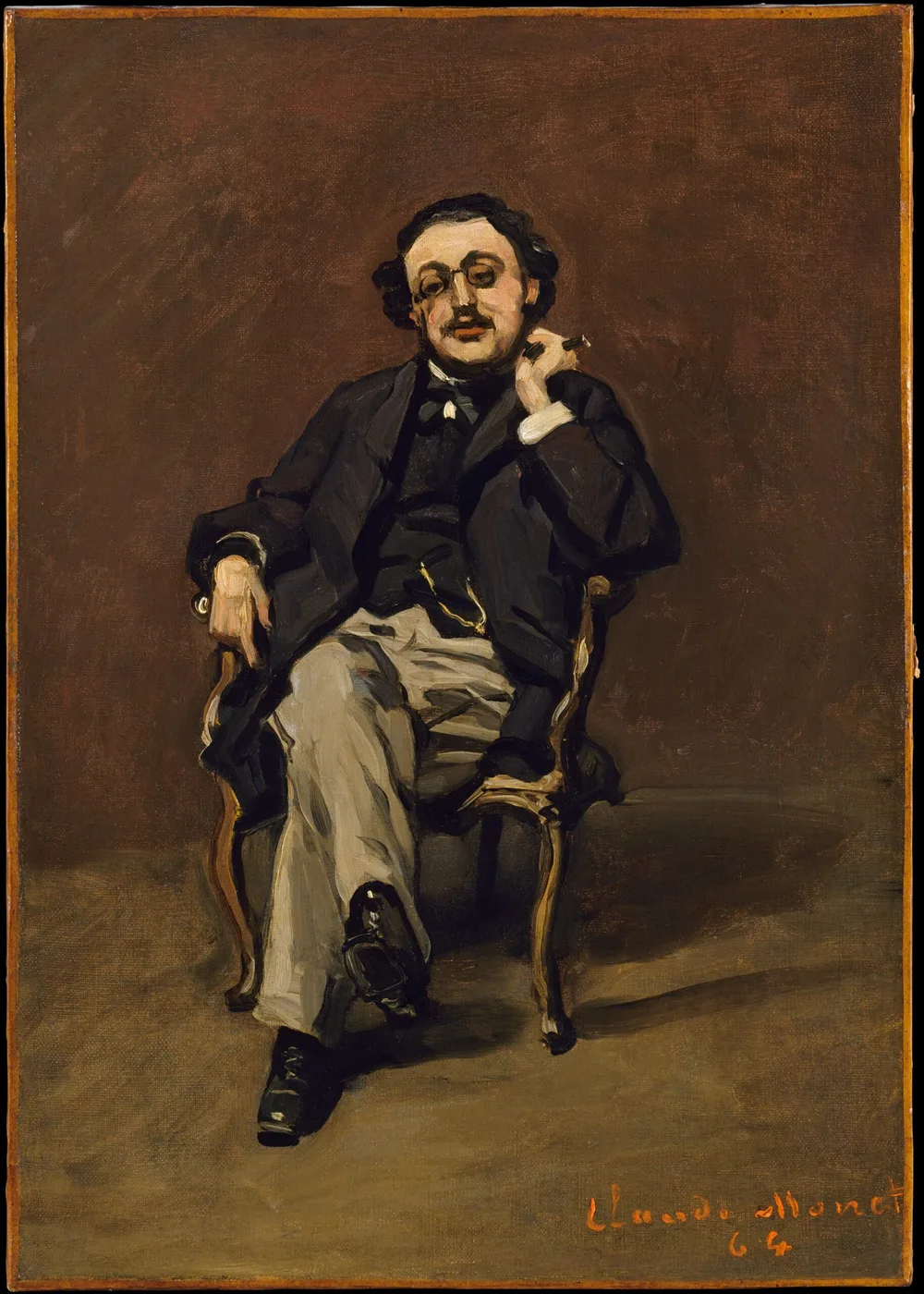
Dr. Leclenché
1864

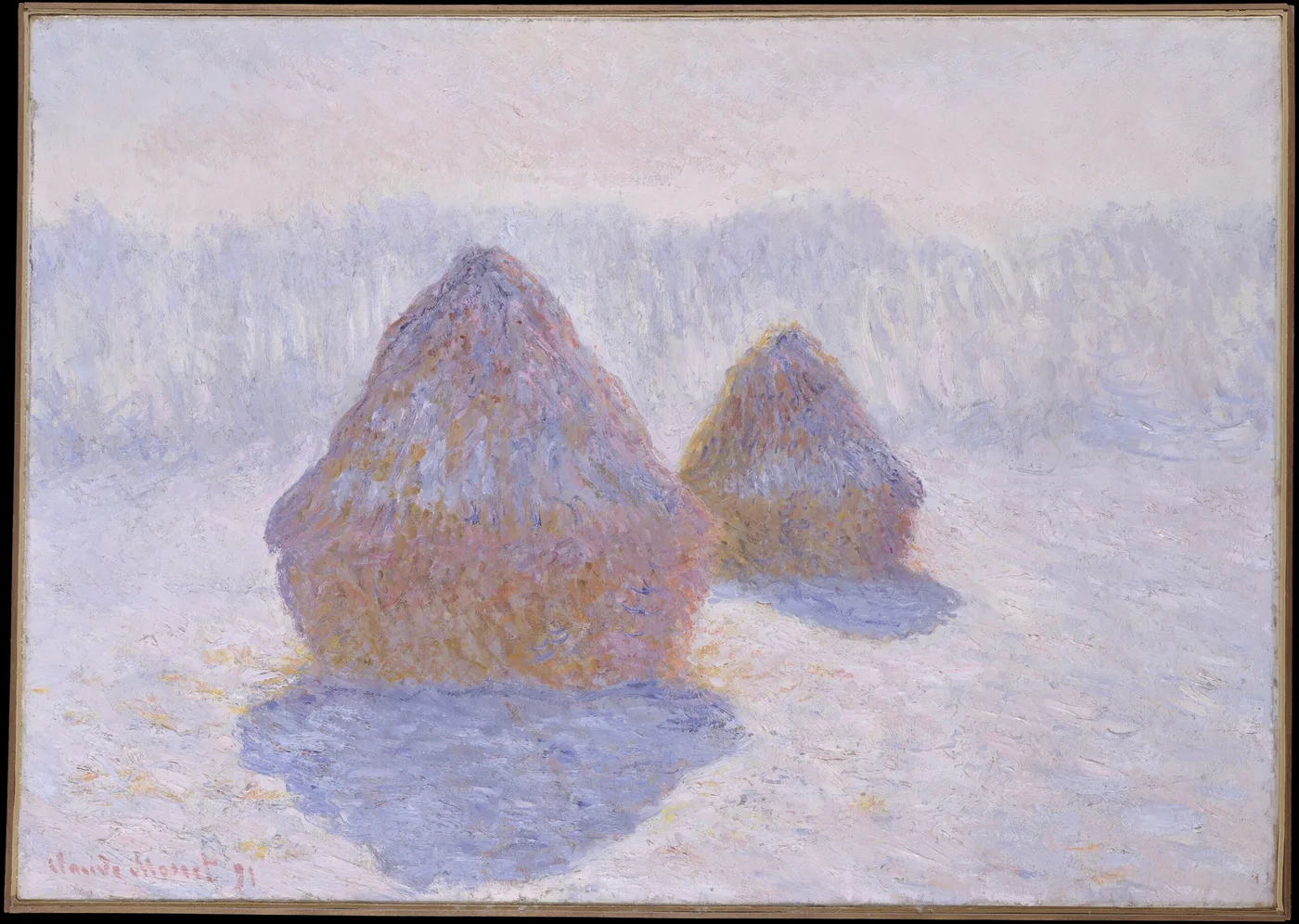
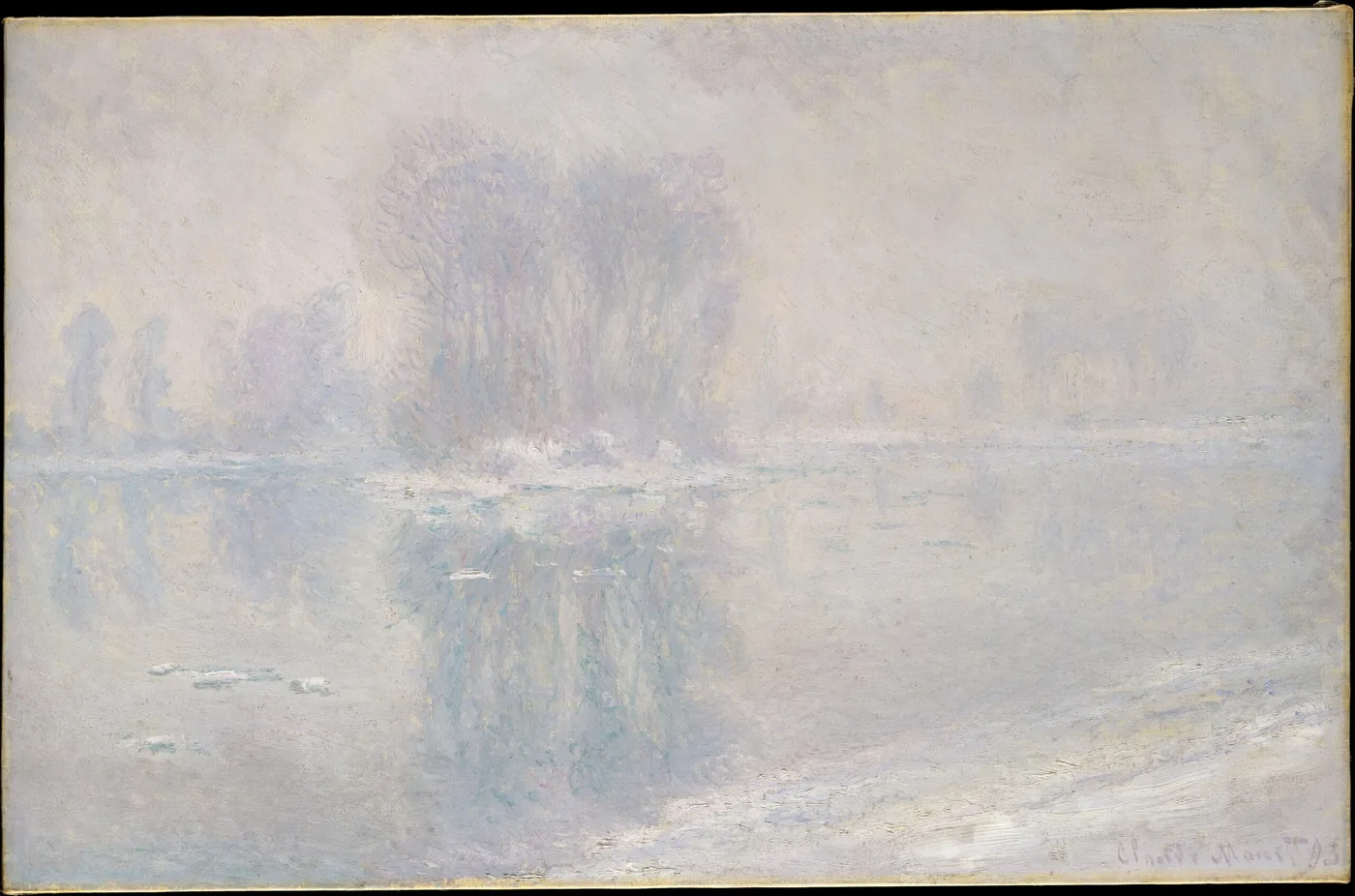
Ice Floes
1893
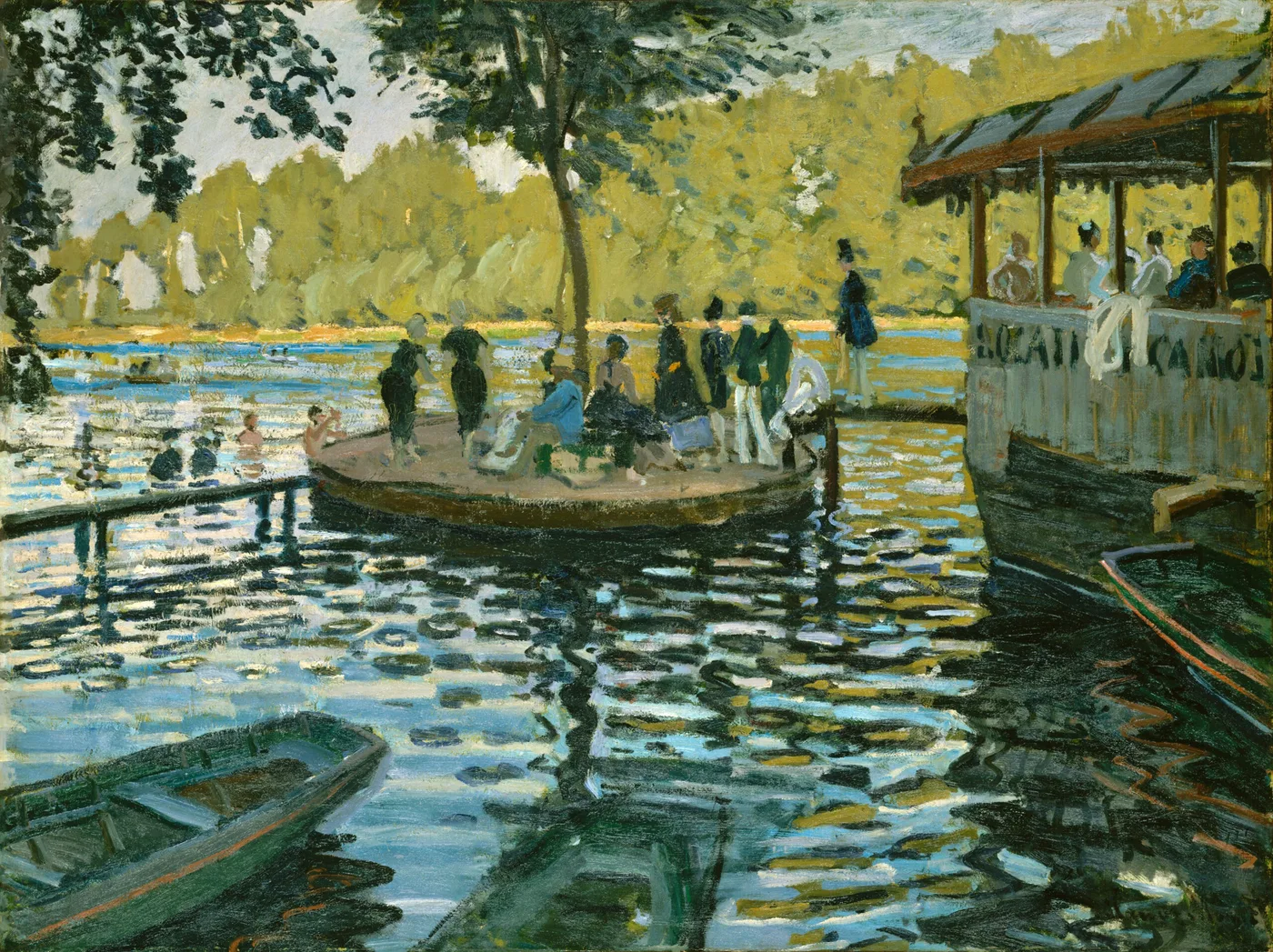
La Grenouillère
1869
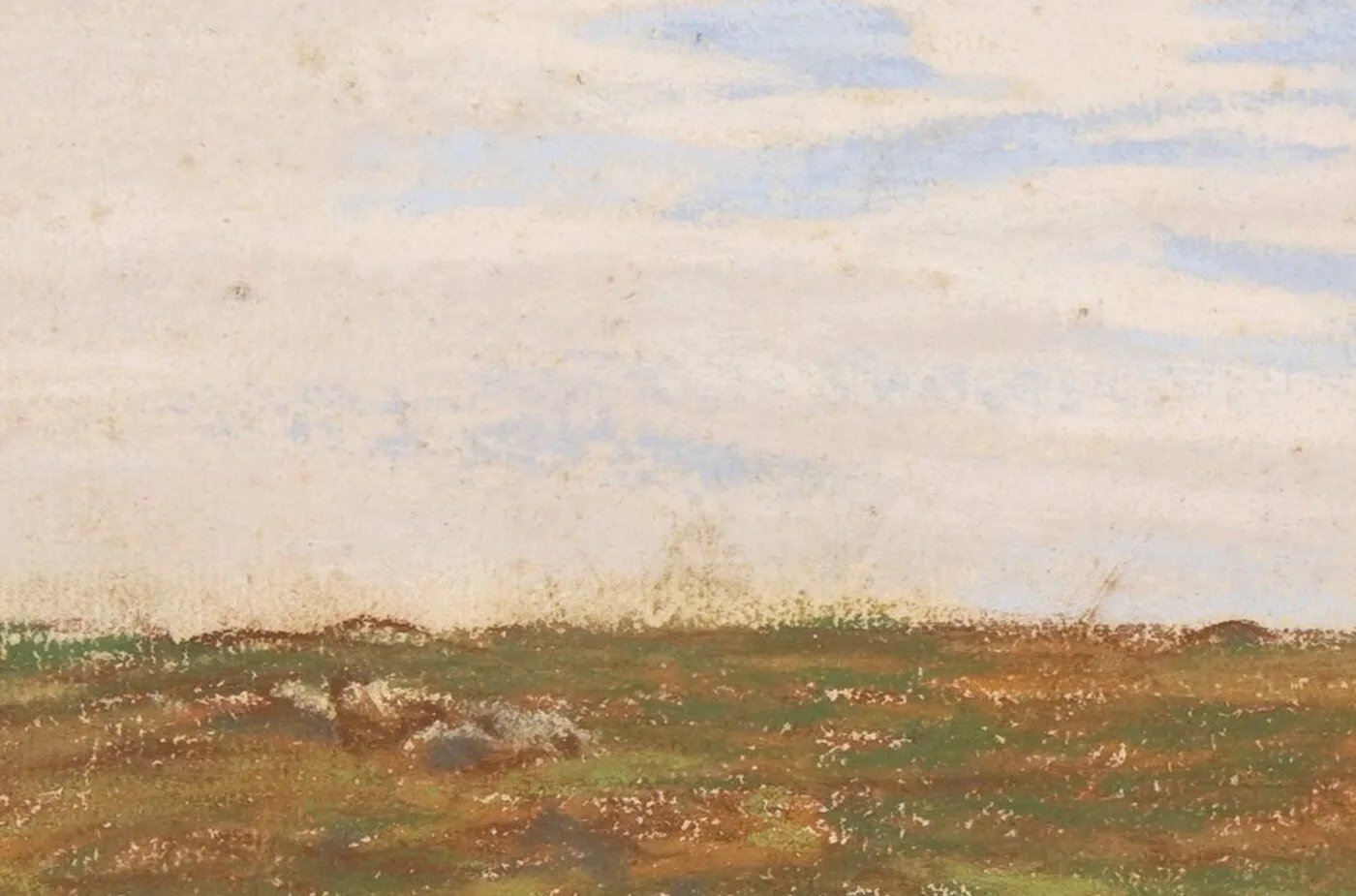
Landscape
1864-1866
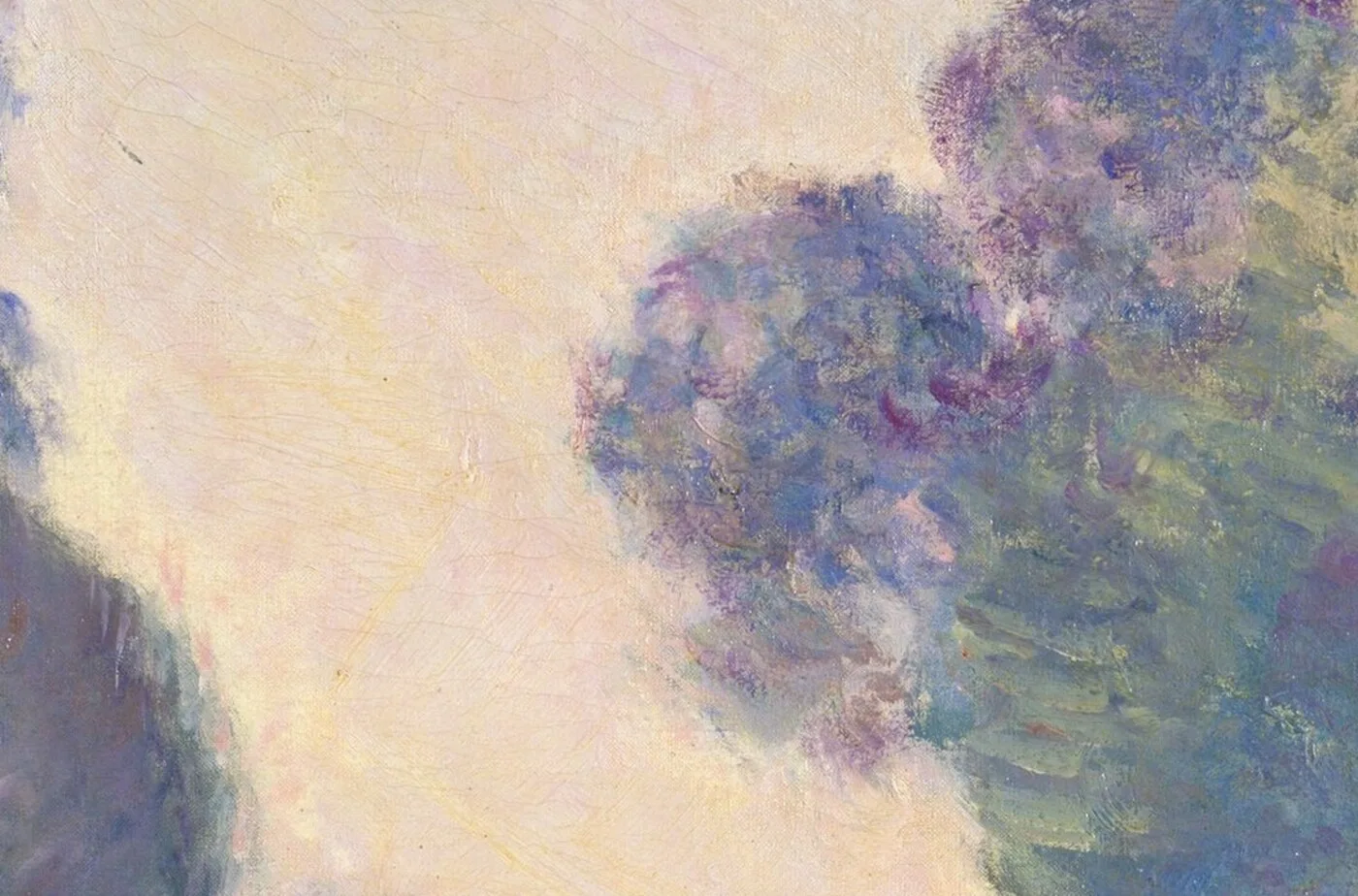
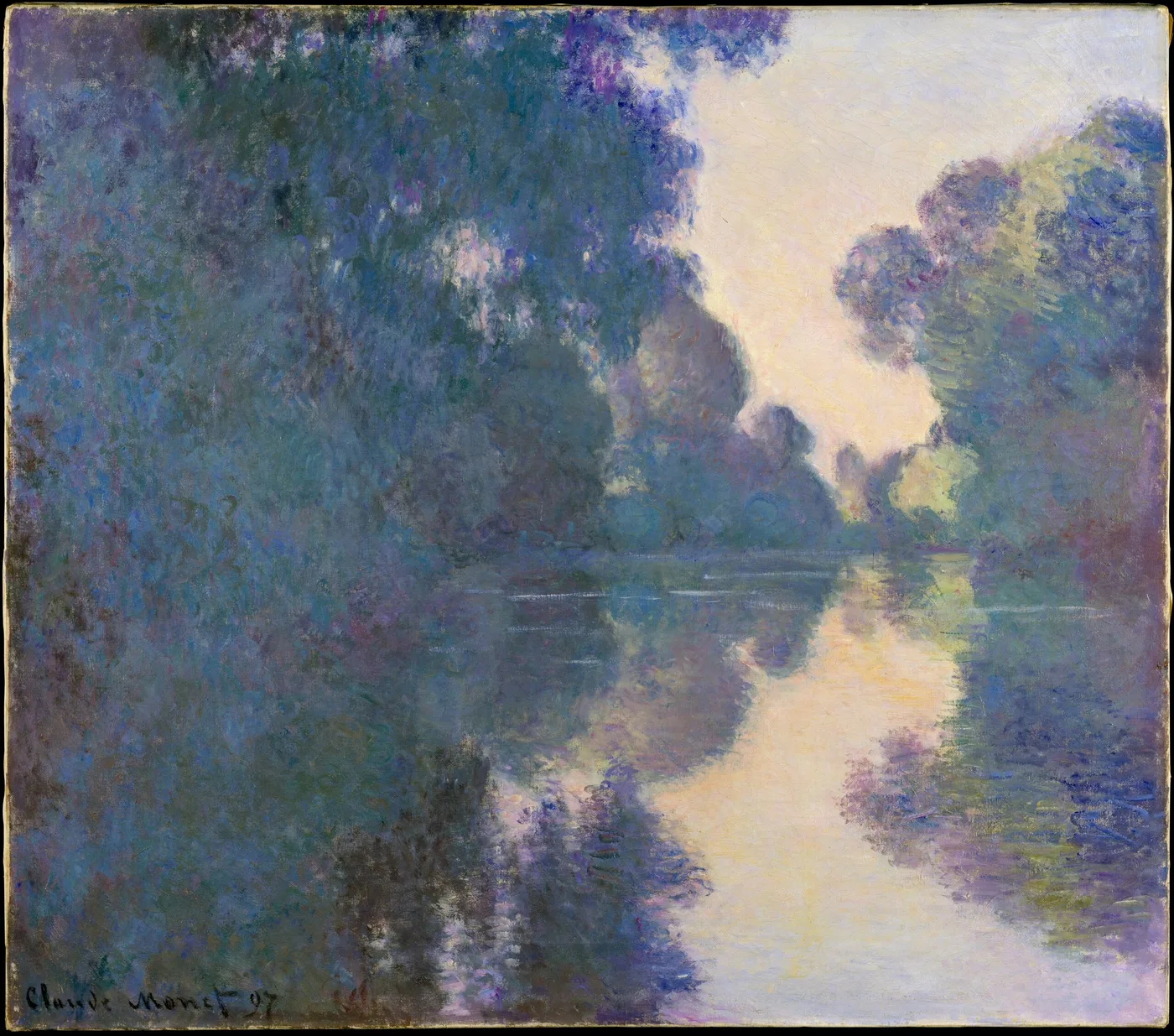
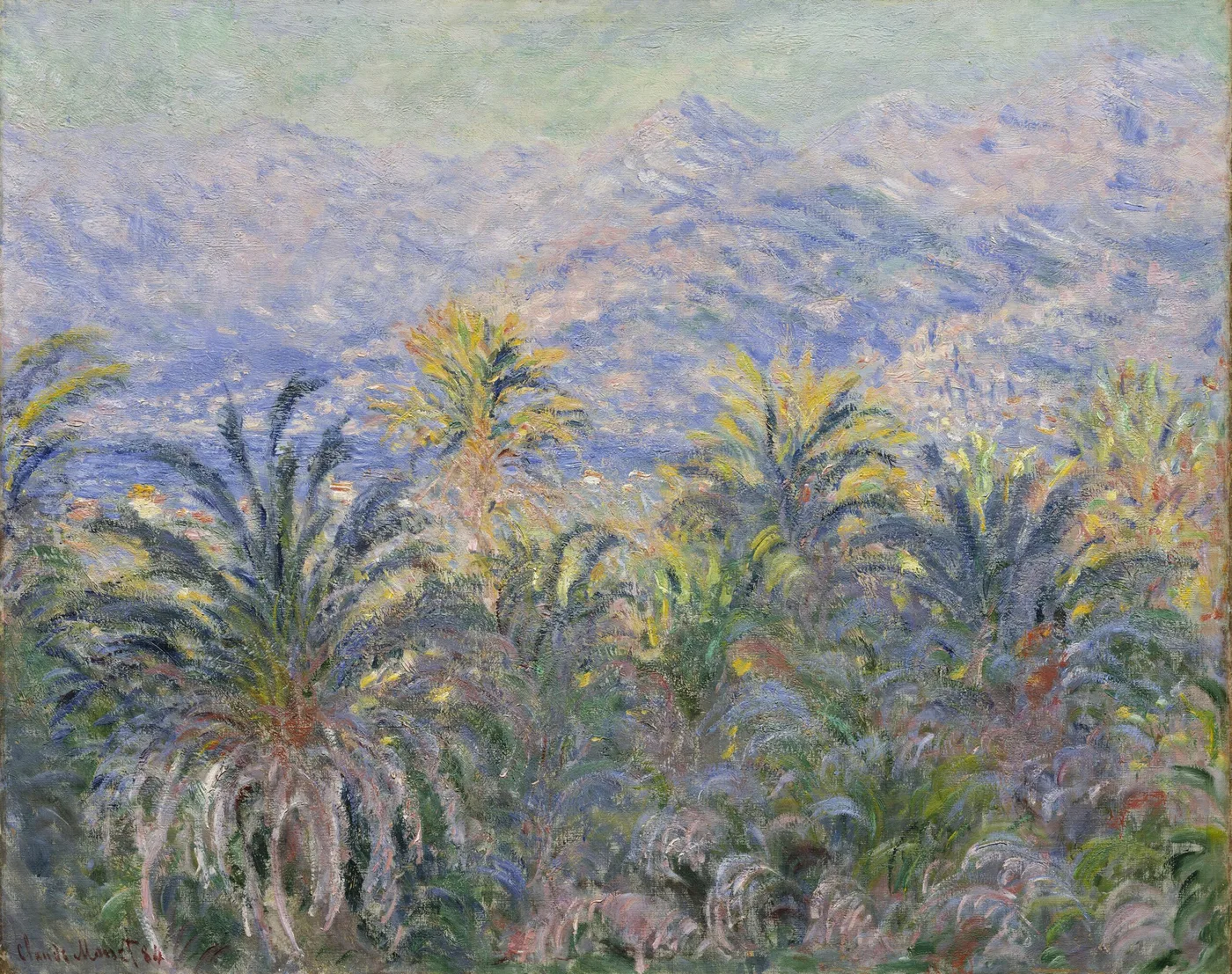
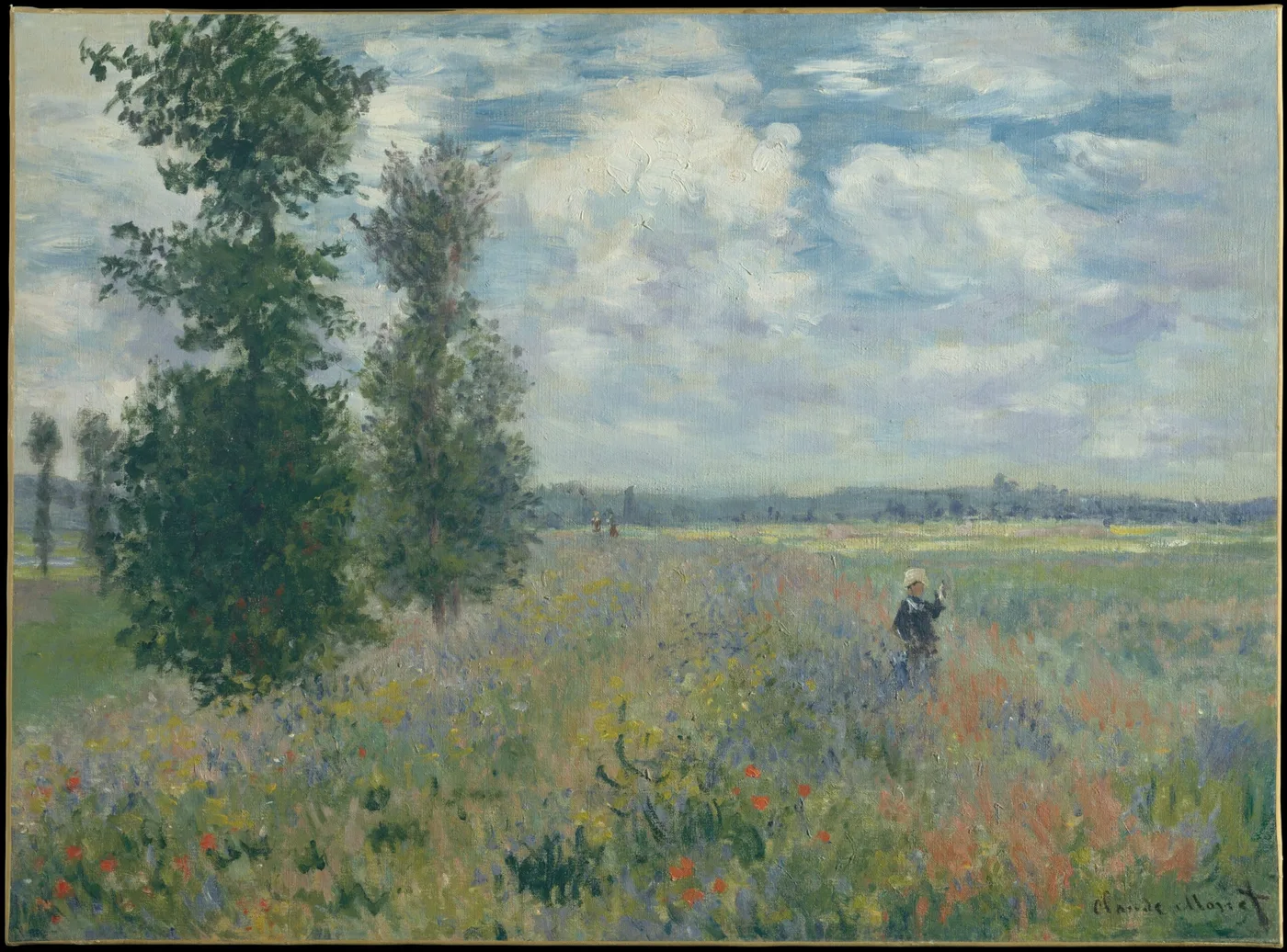
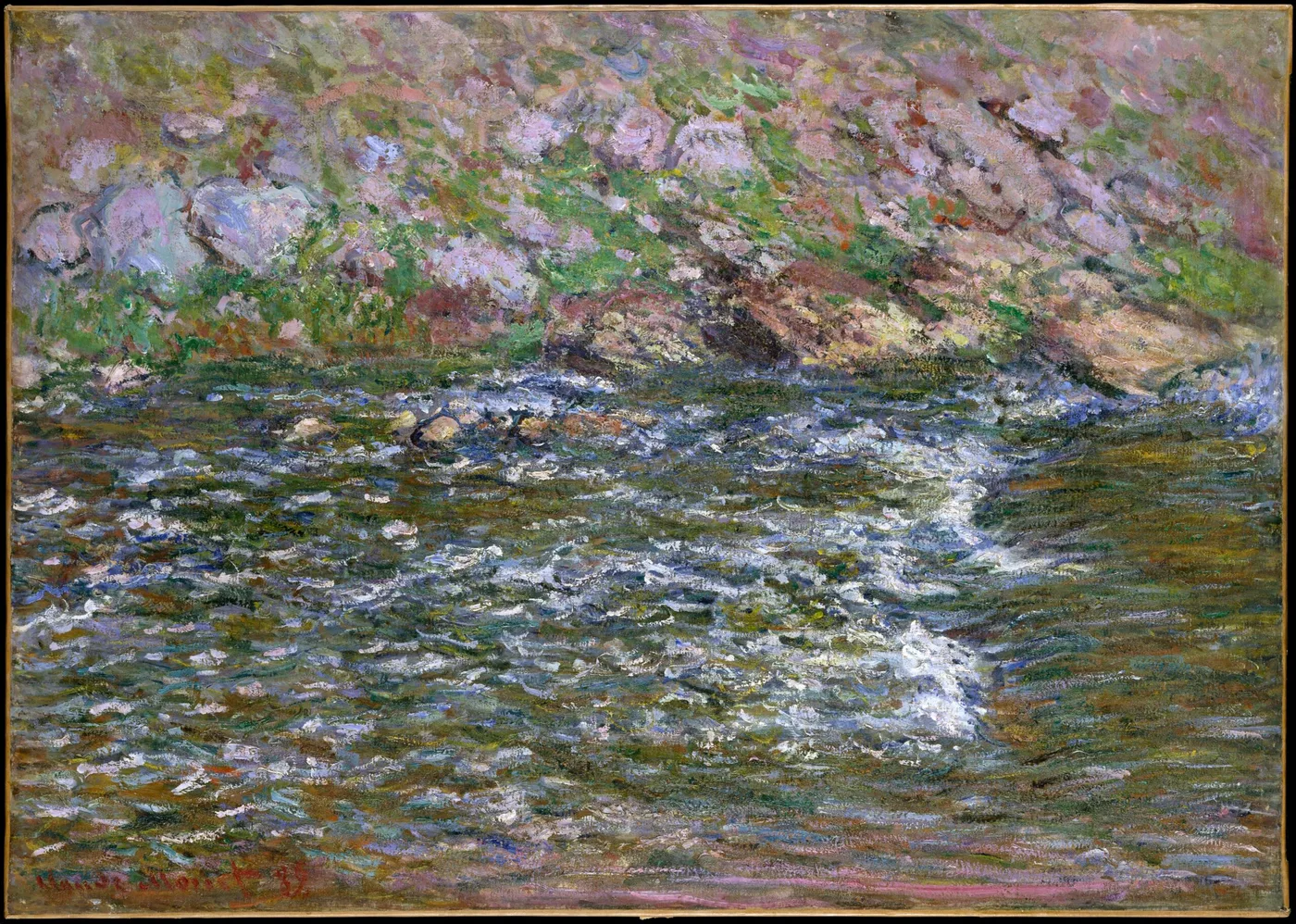
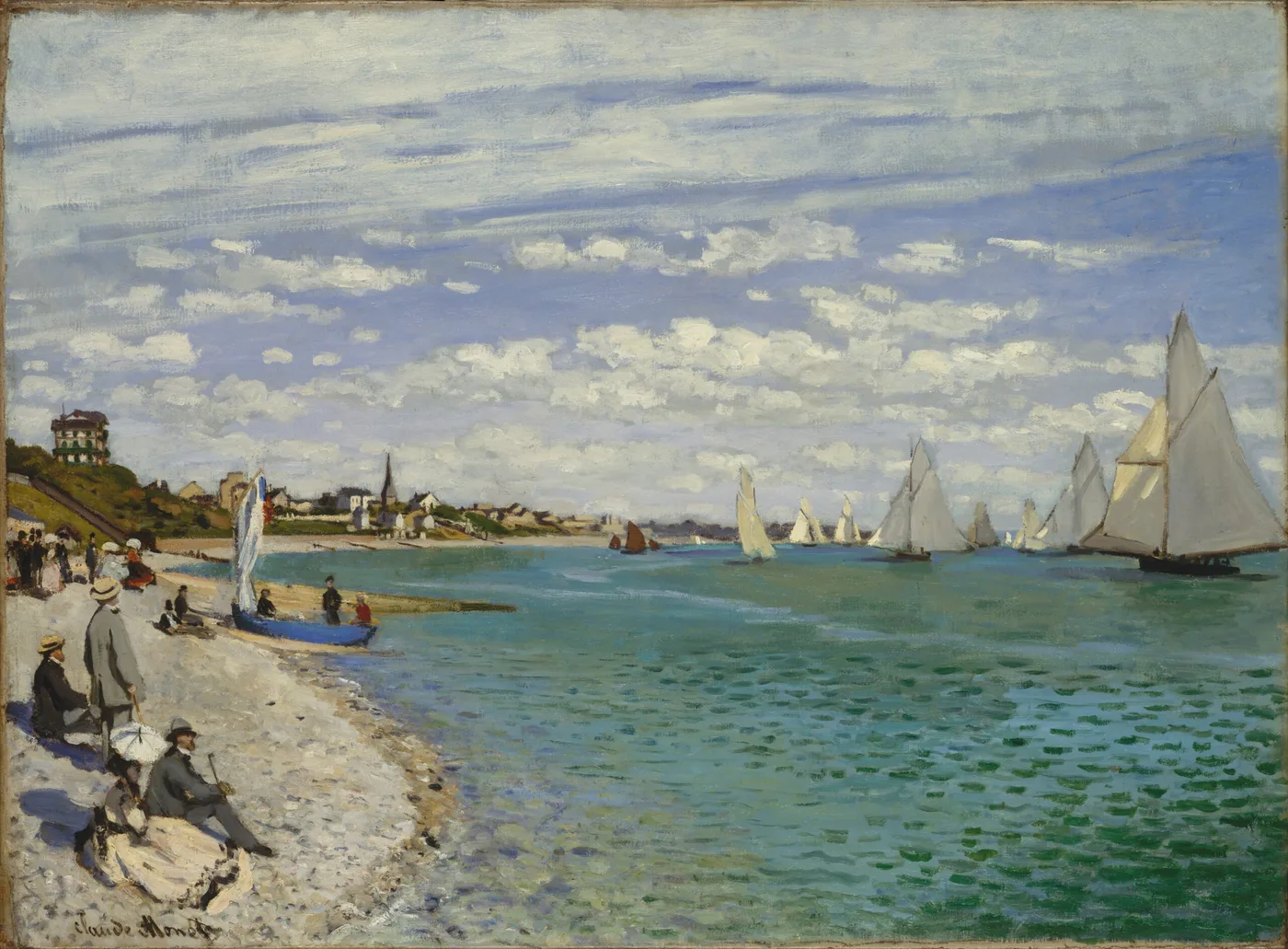
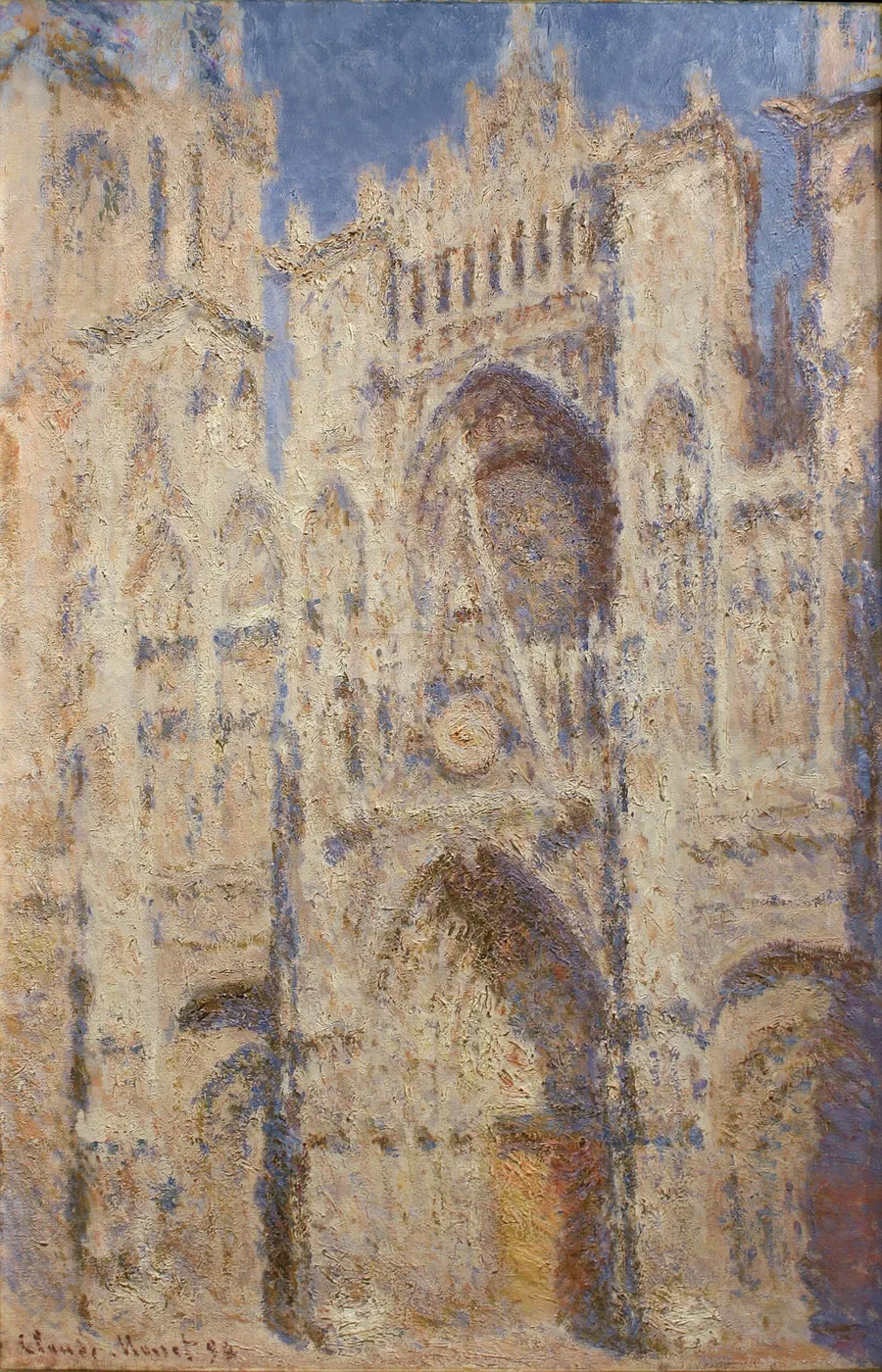
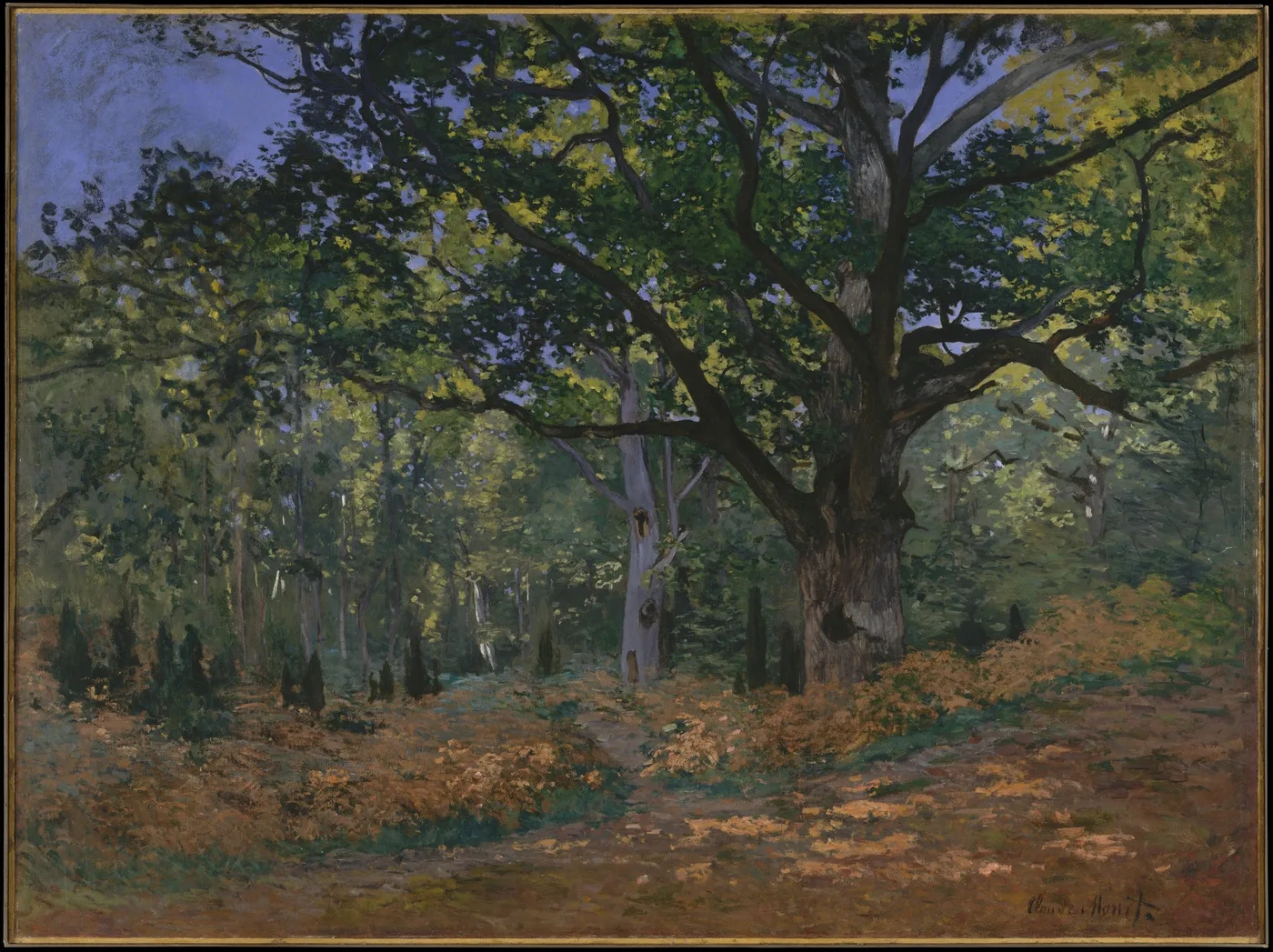
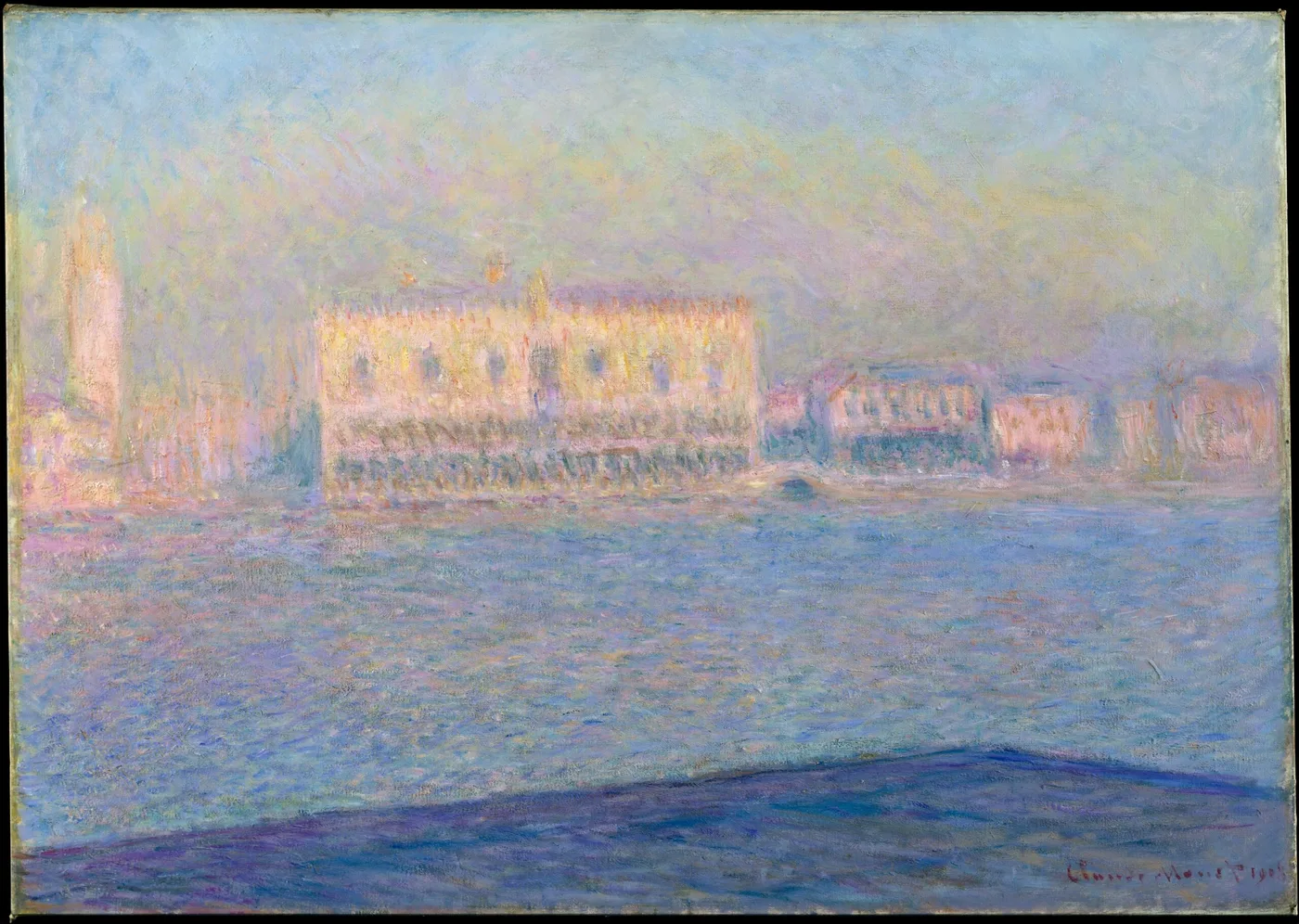
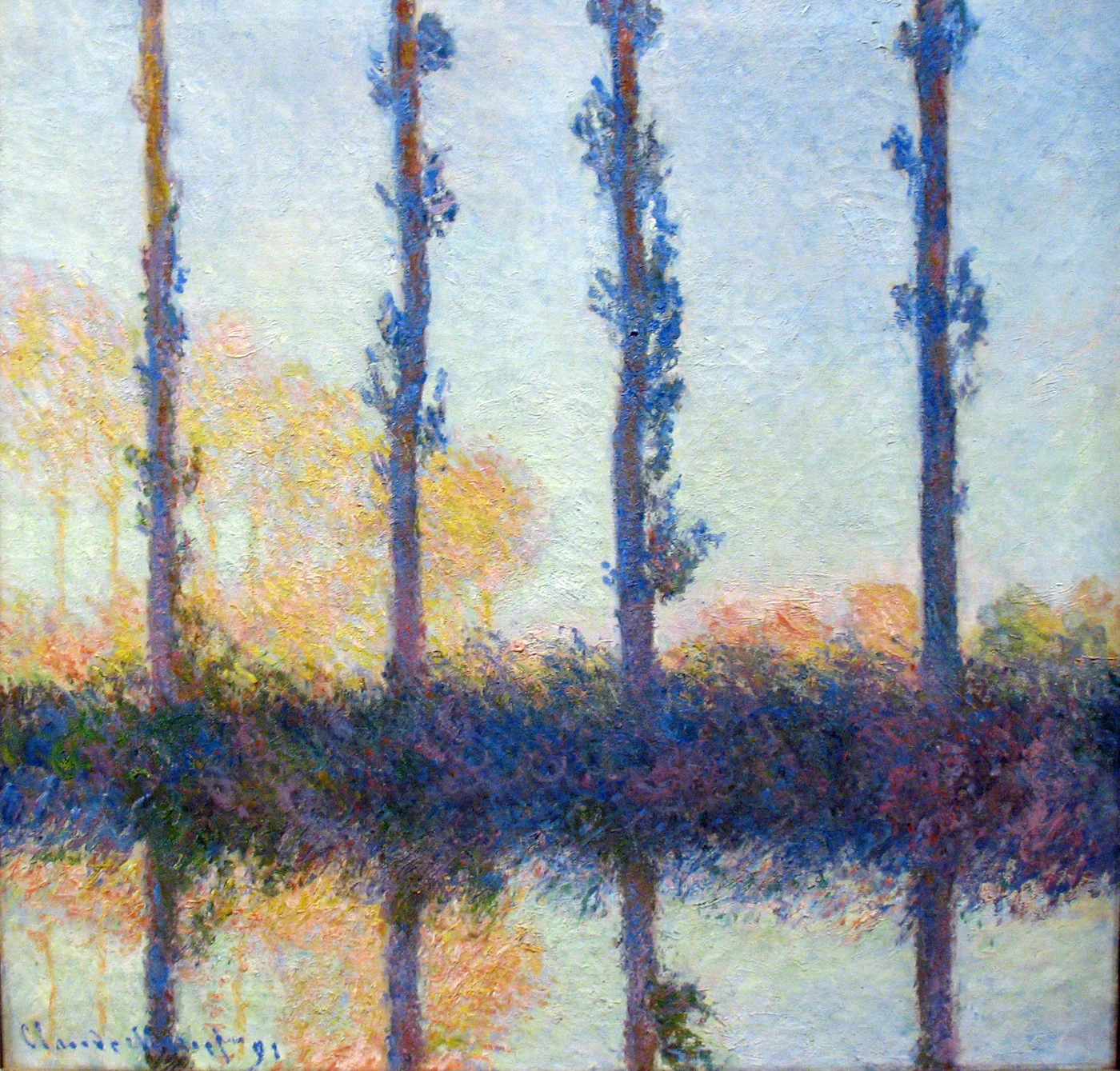
The Four Trees
1891
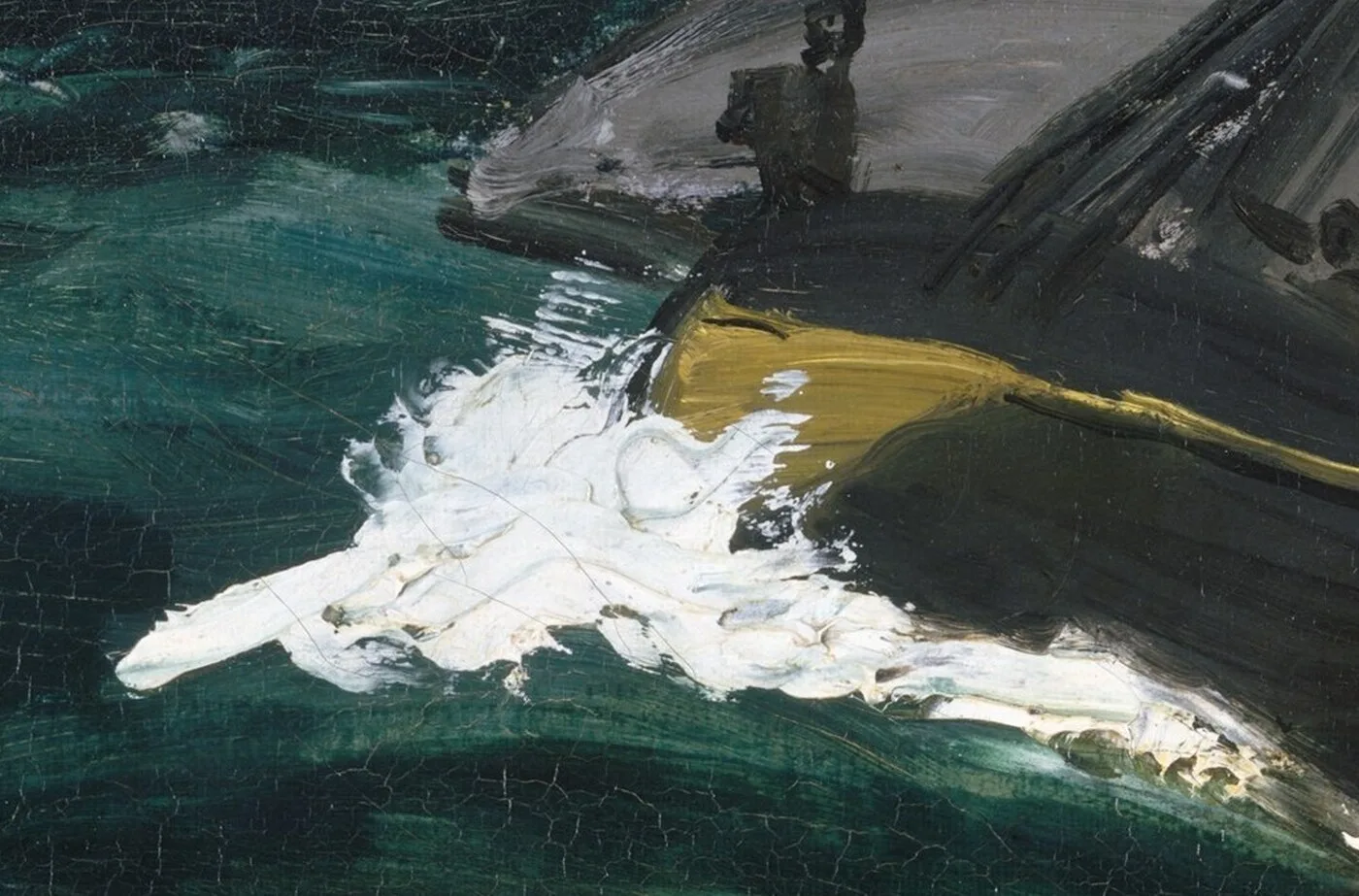
The Green Wave
1865
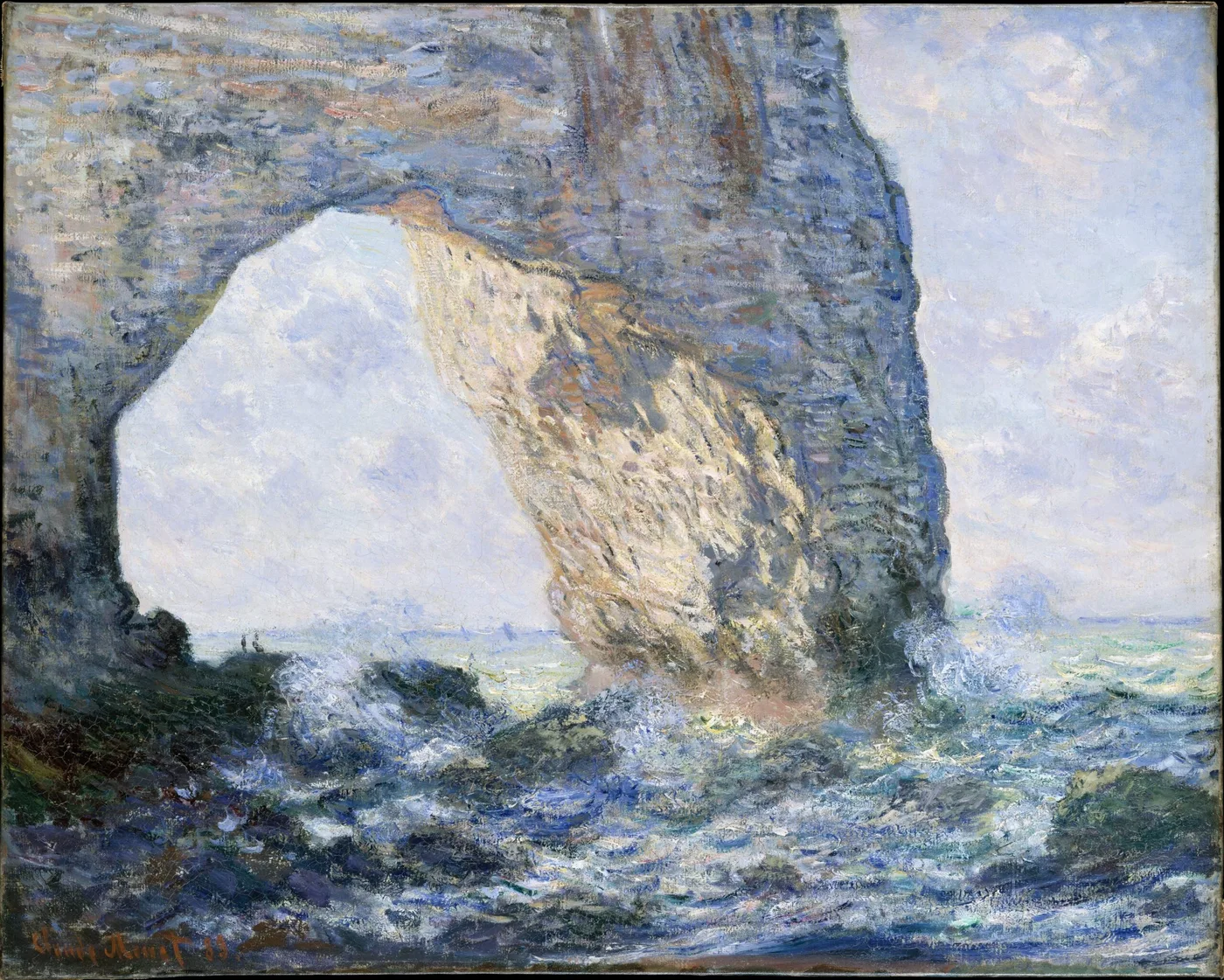
The Manneporte
1883
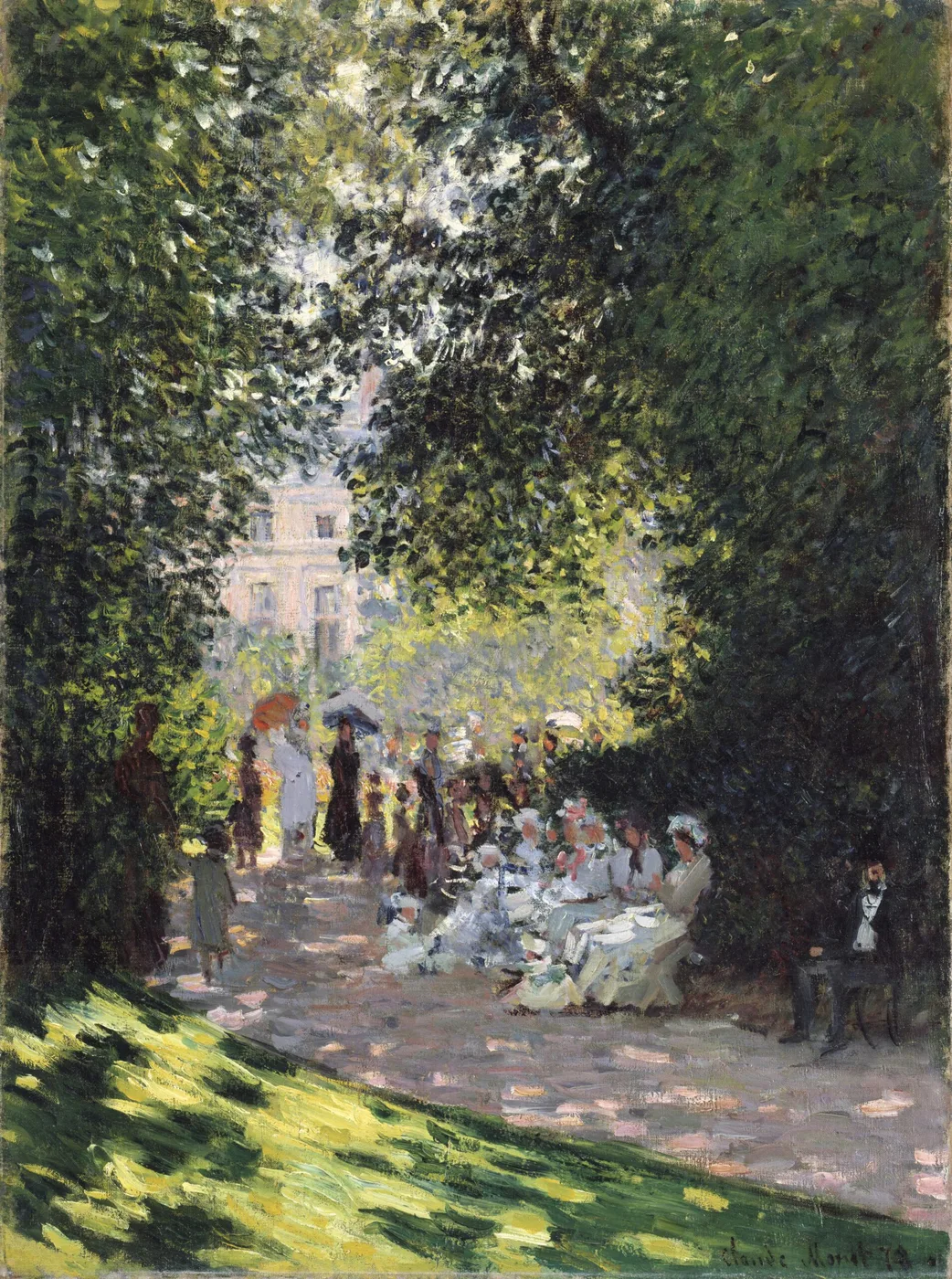
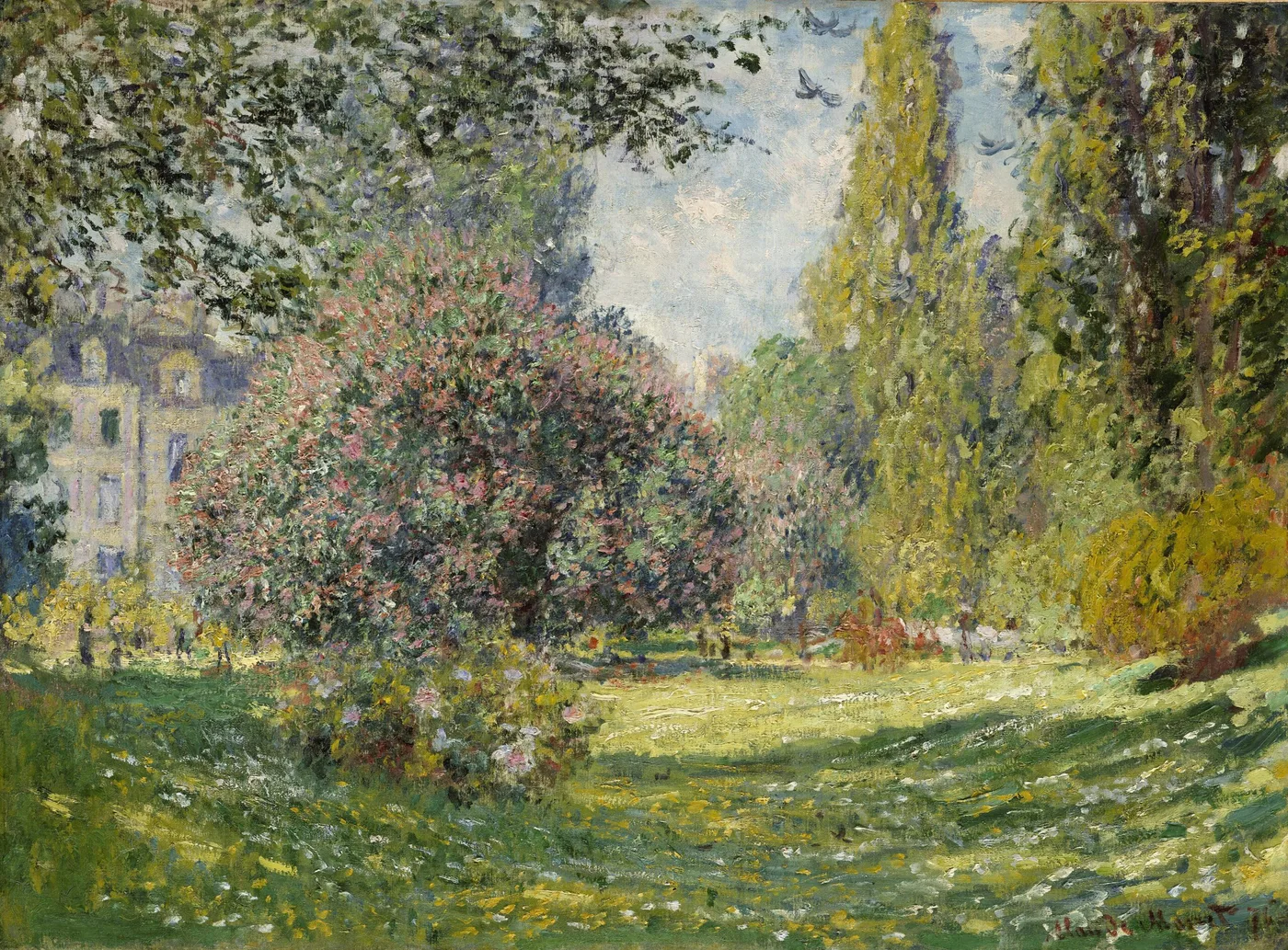
The Parc Monceau
1878
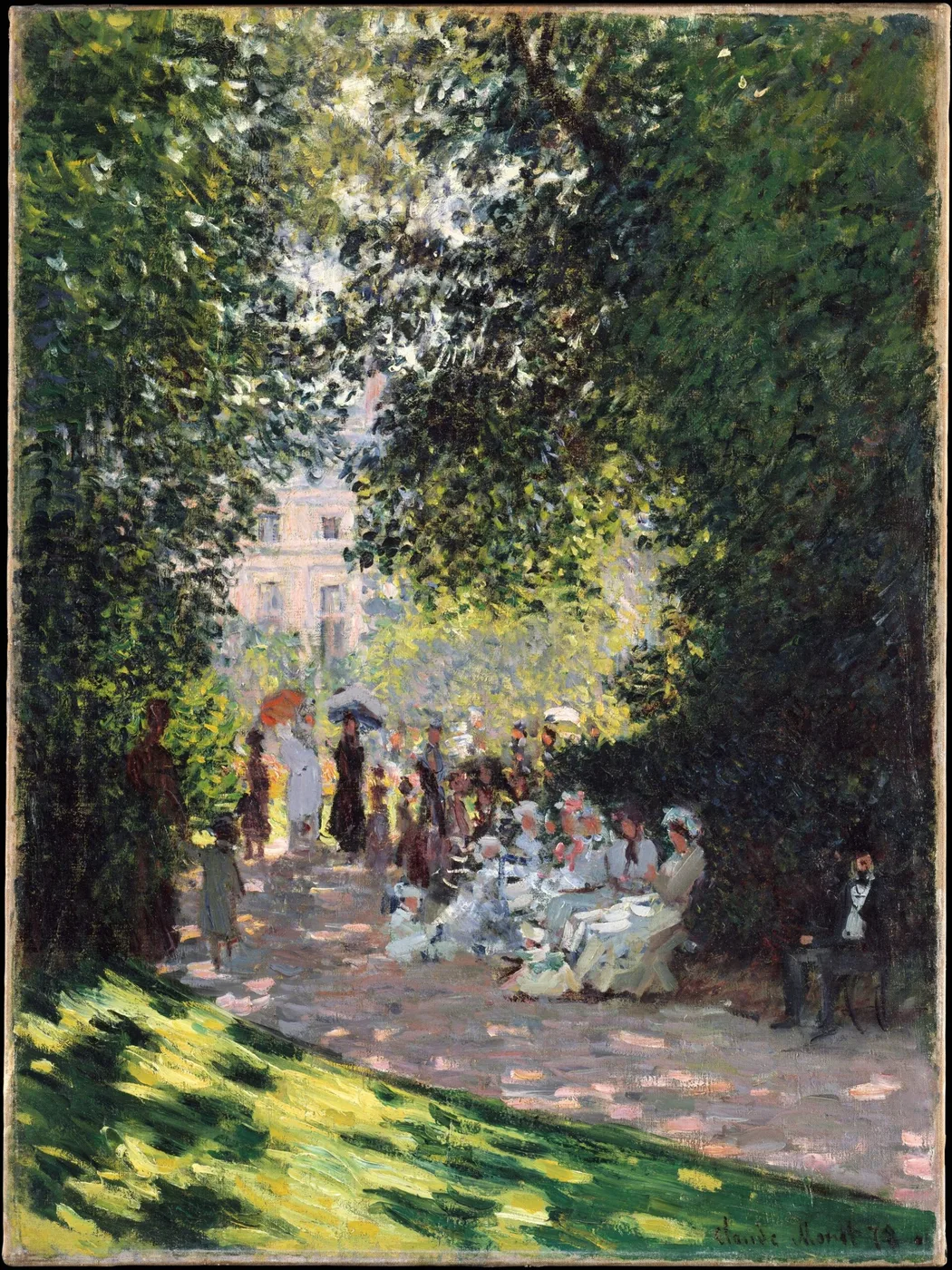
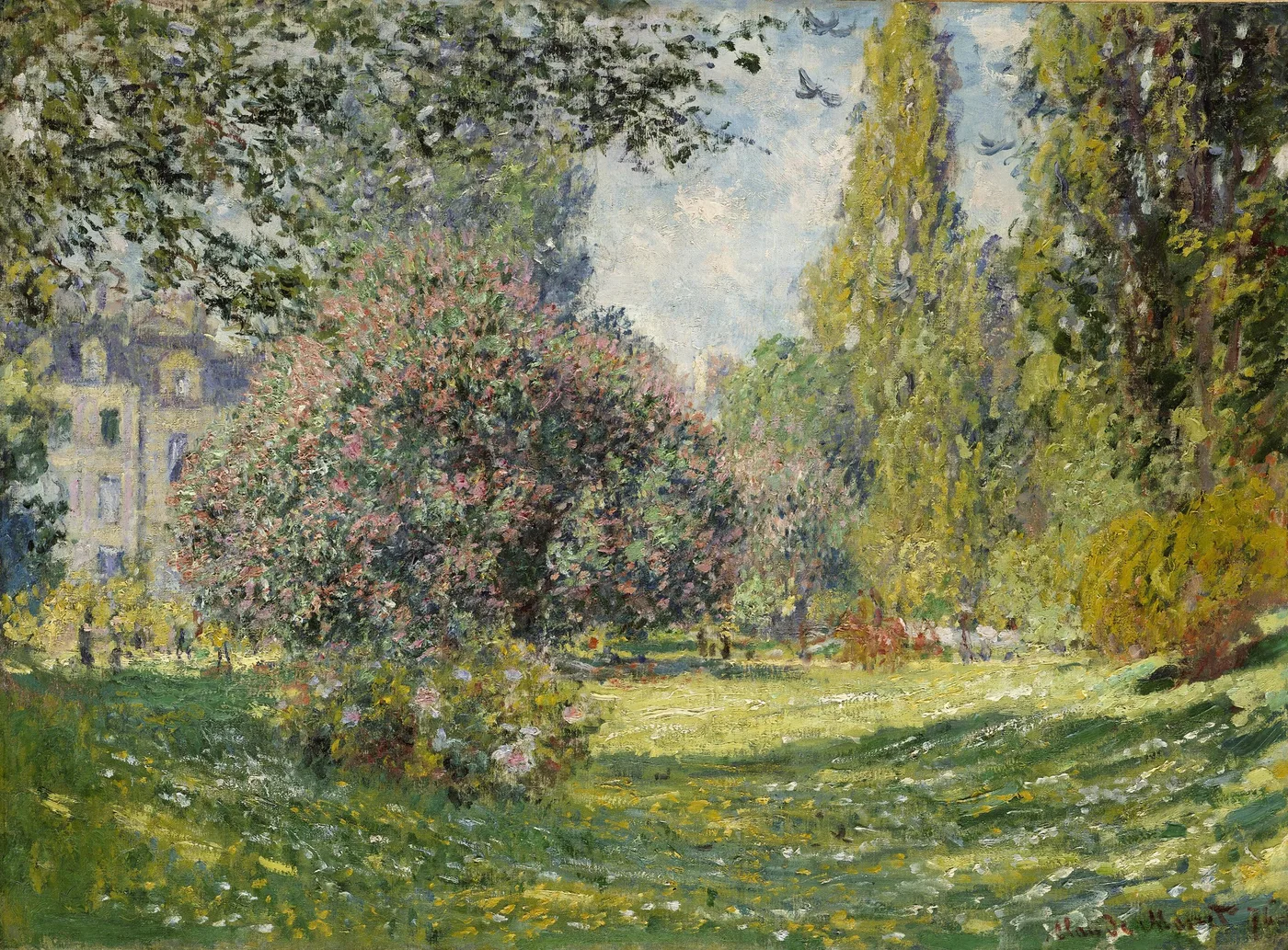
The Parc Monceau
1878
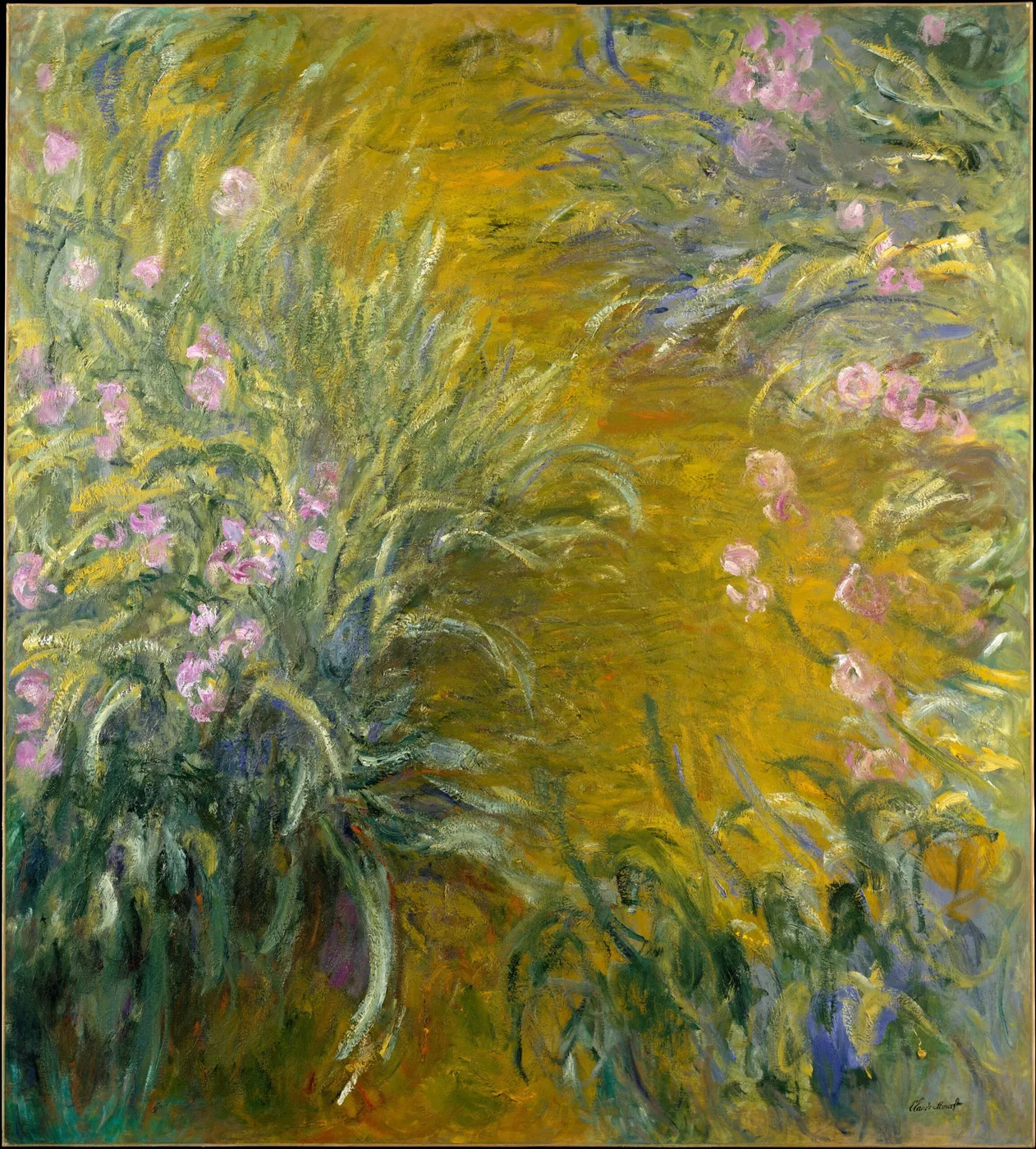
The Path through the Irises
1914-1917
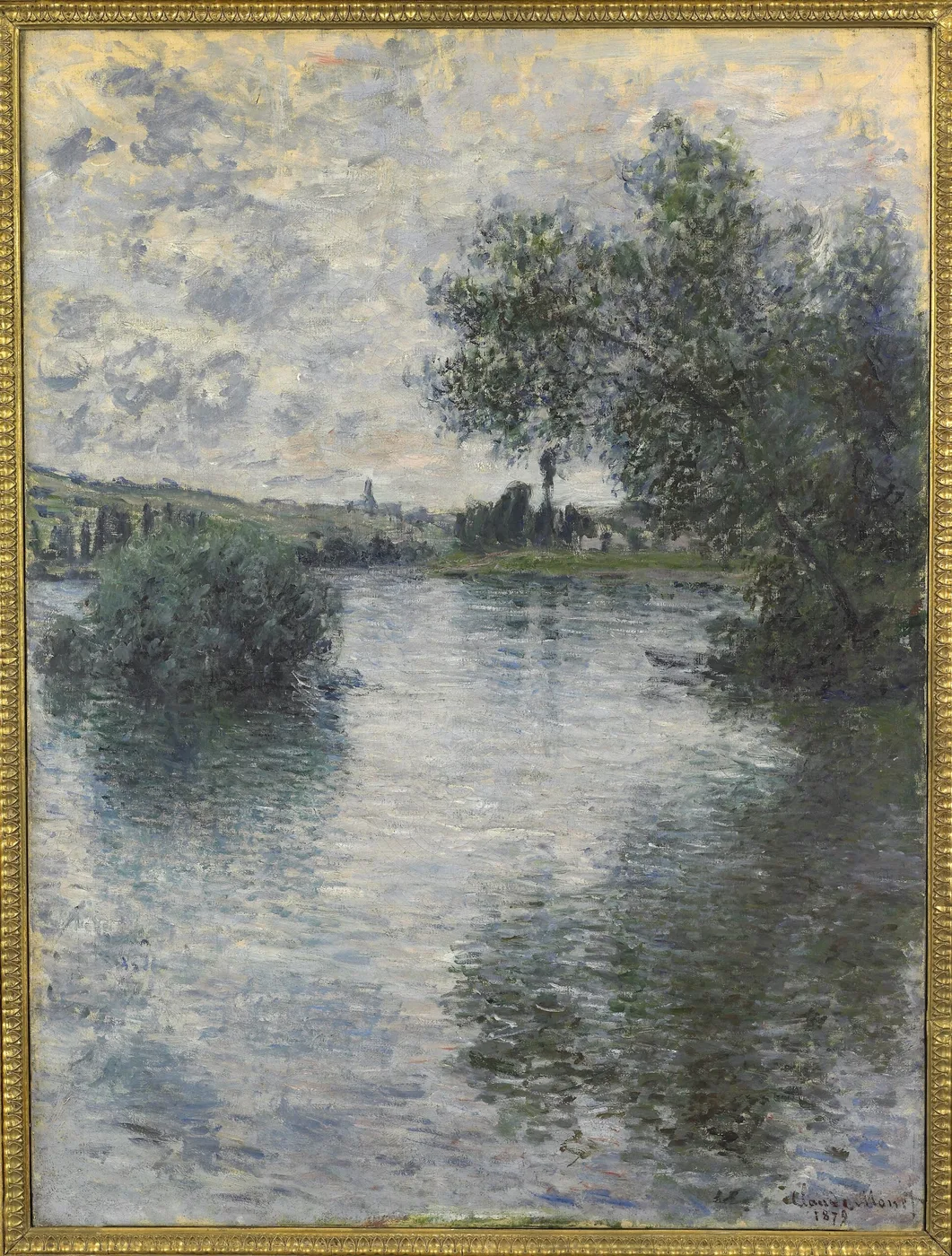
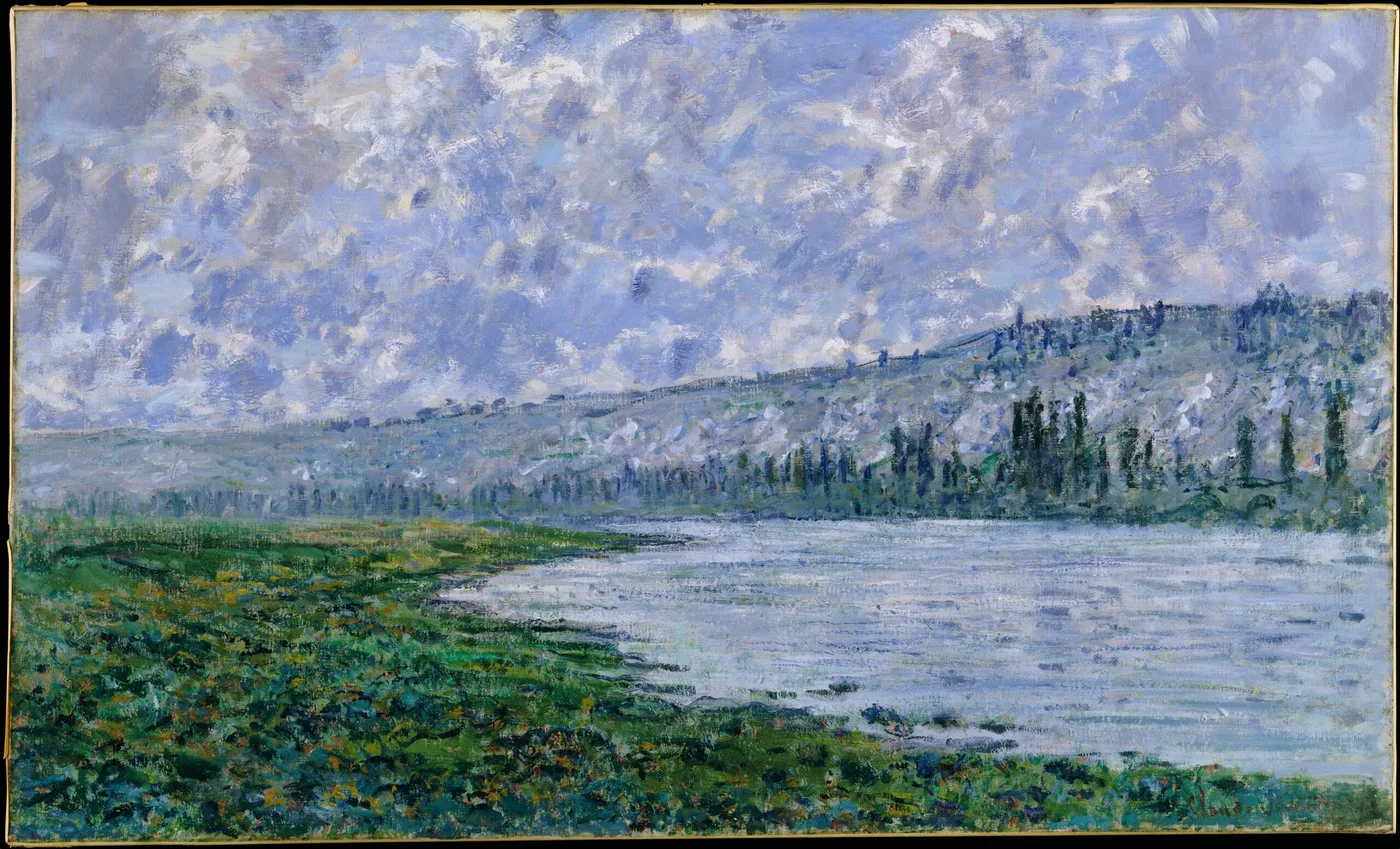
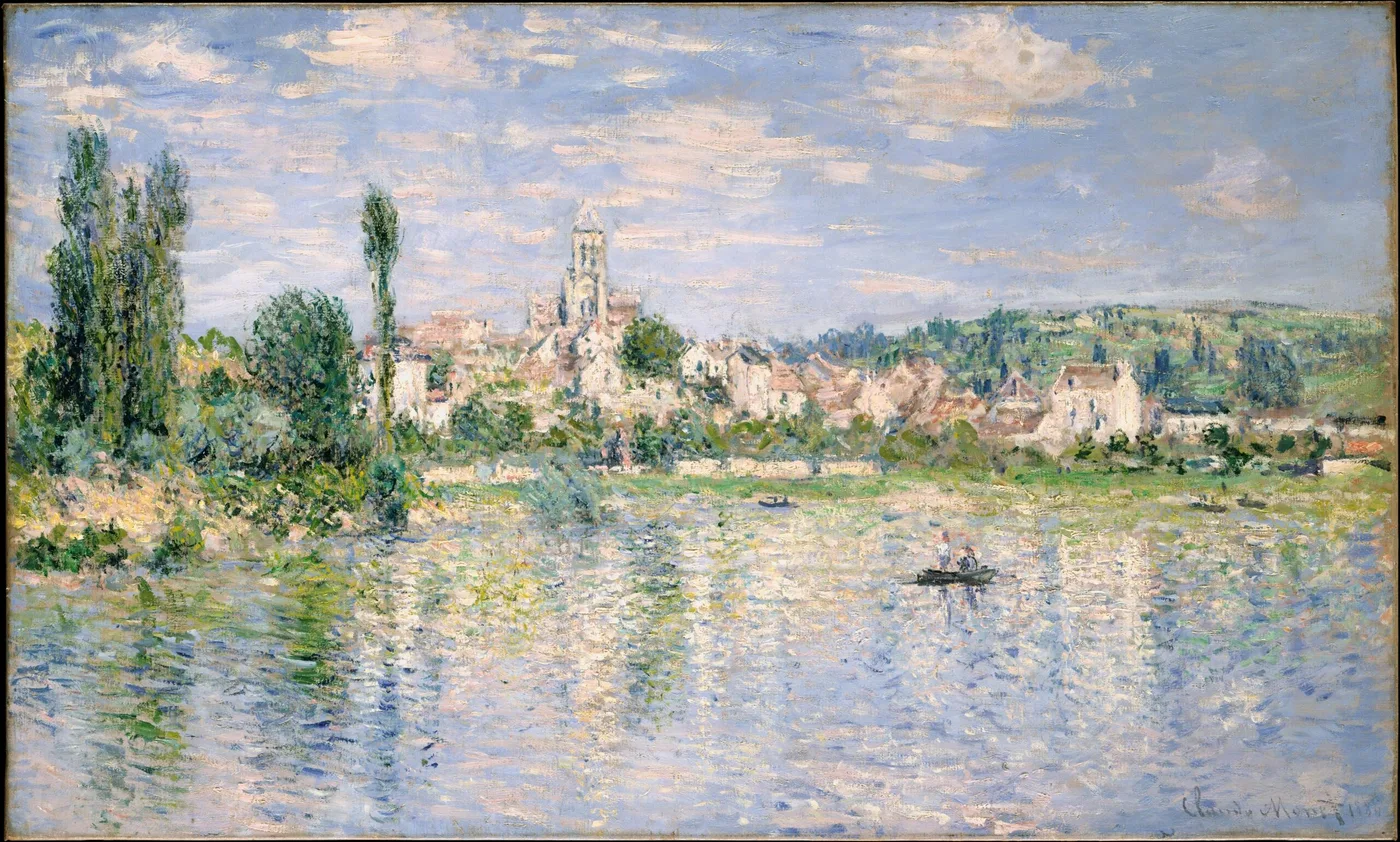
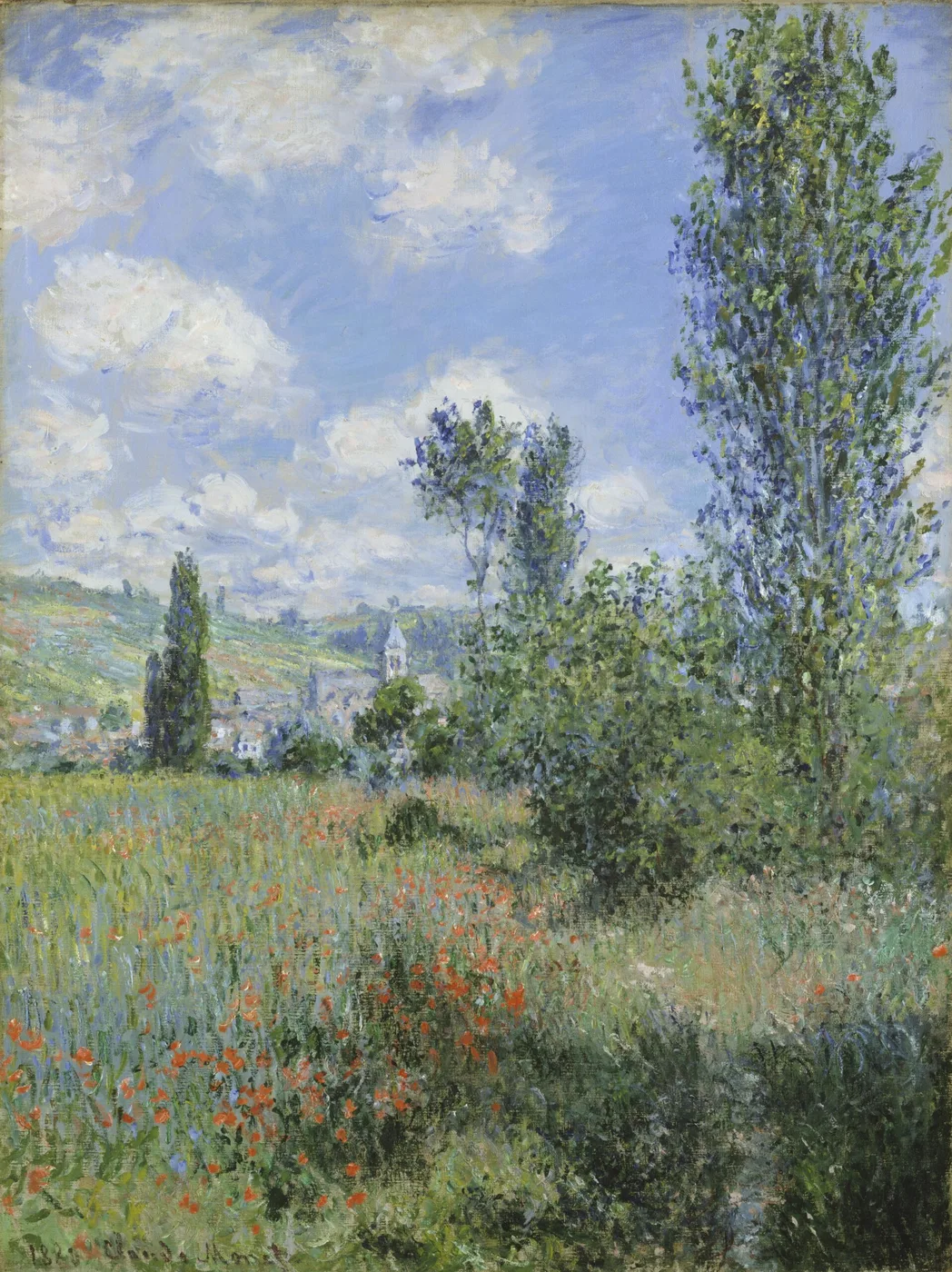
View of Vétheuil
1880
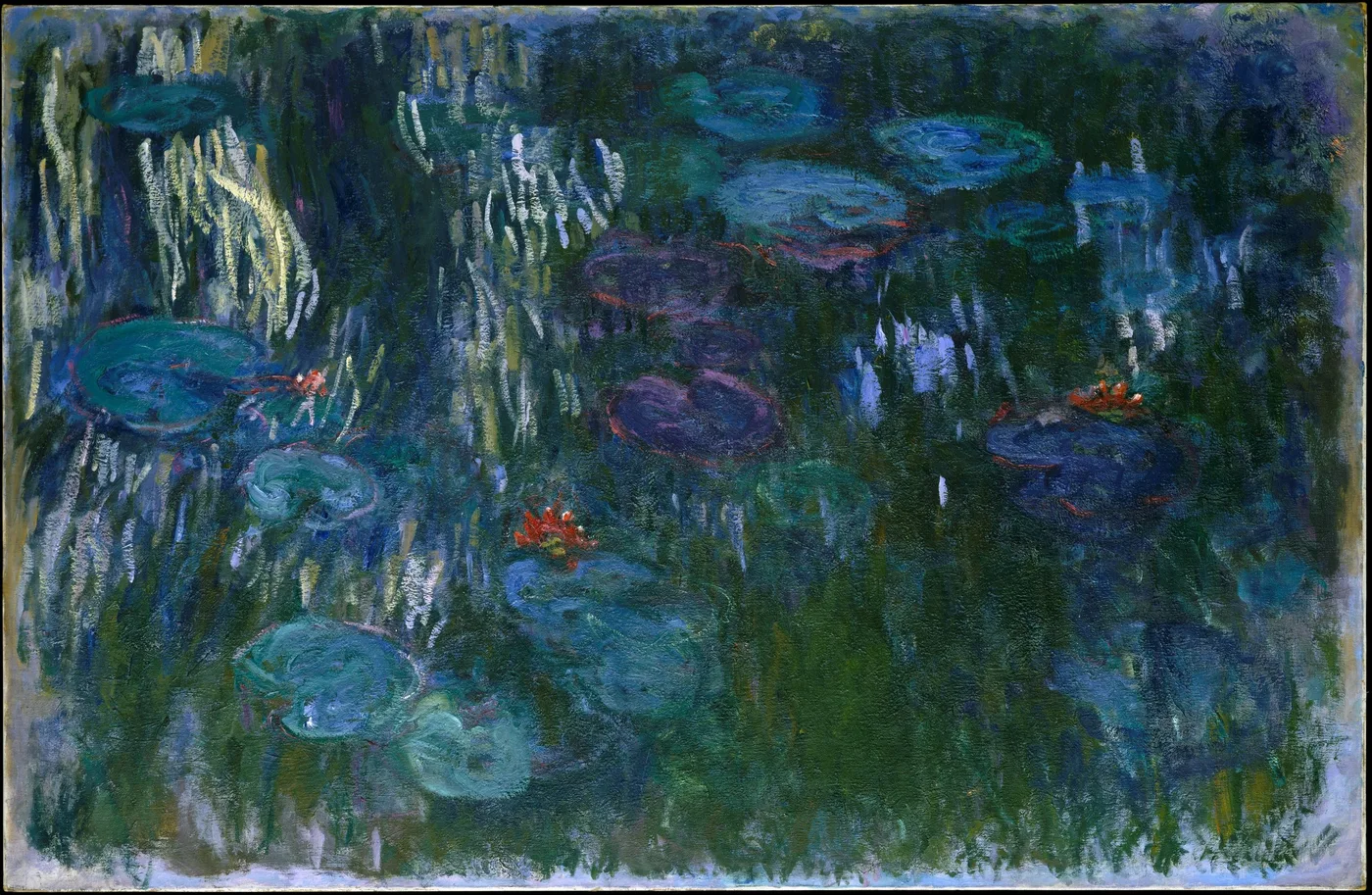
Water Lilies
1916-1919
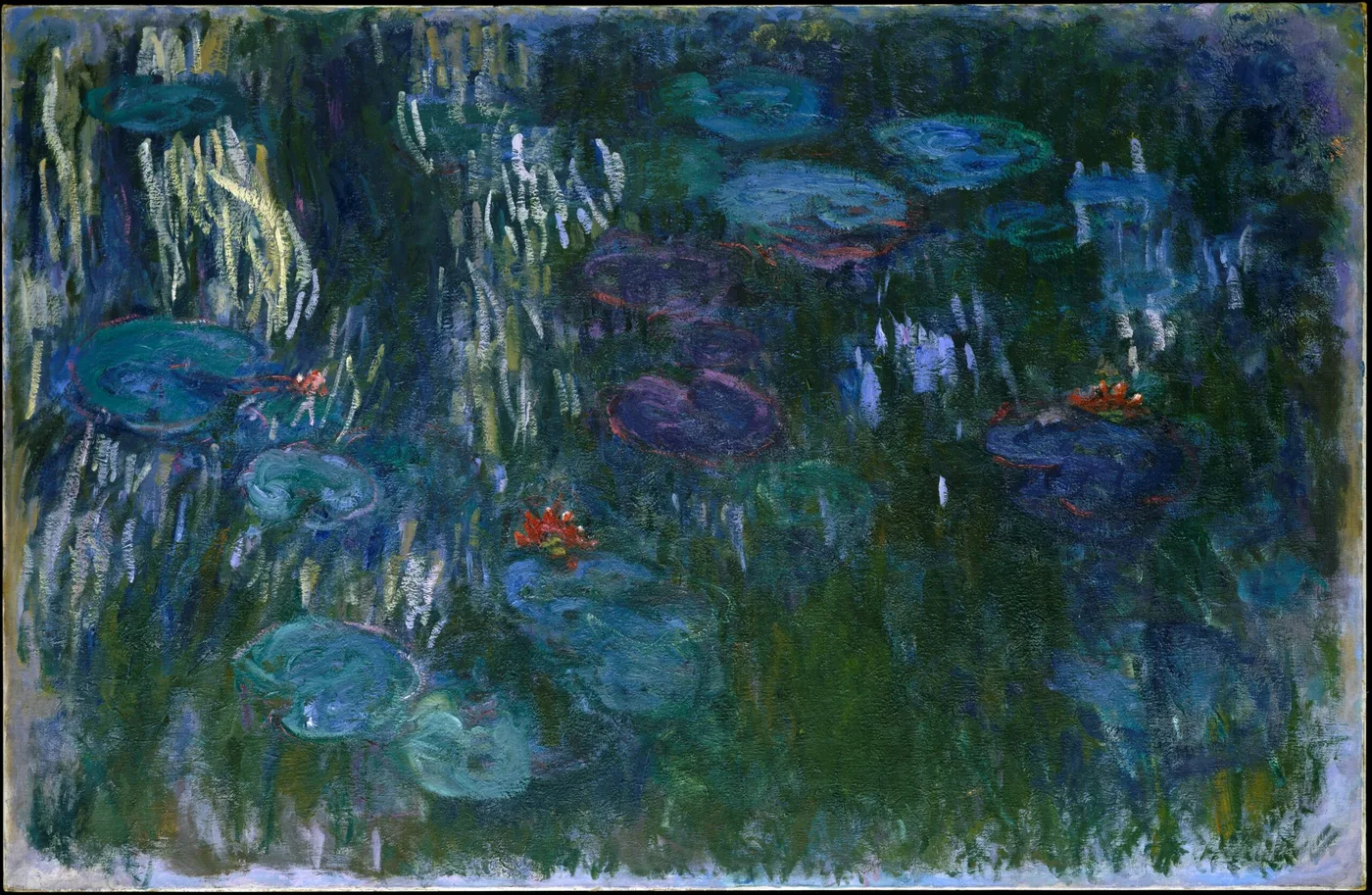
Water Lilies
1916-1919
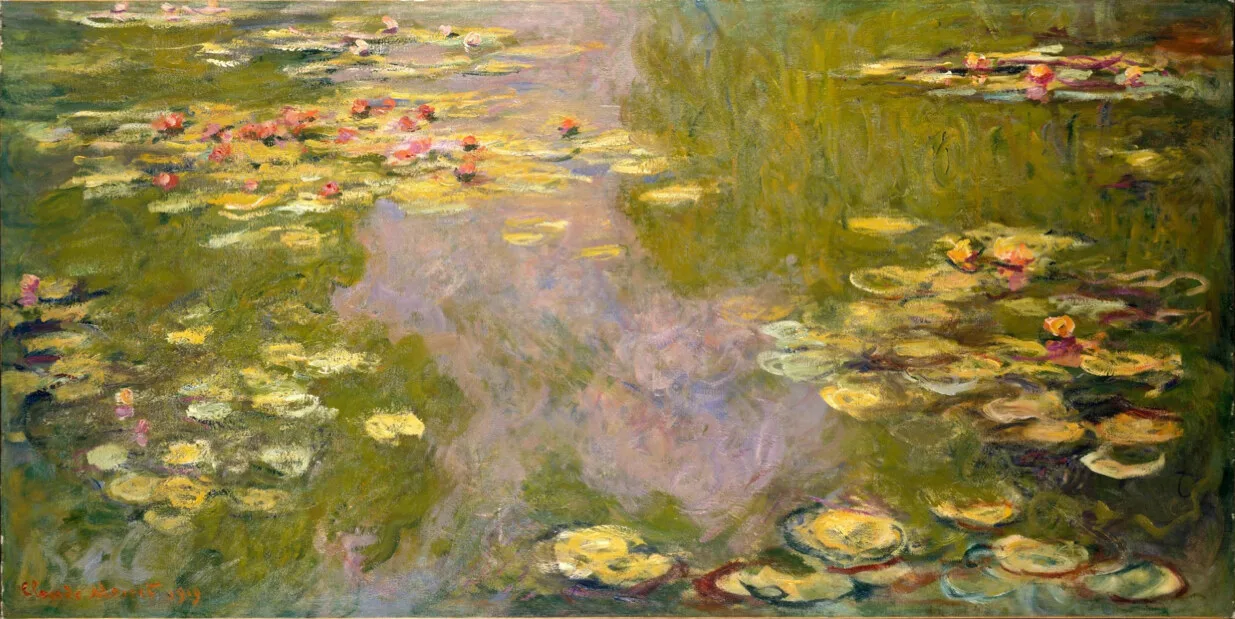
Water Lilies
1919
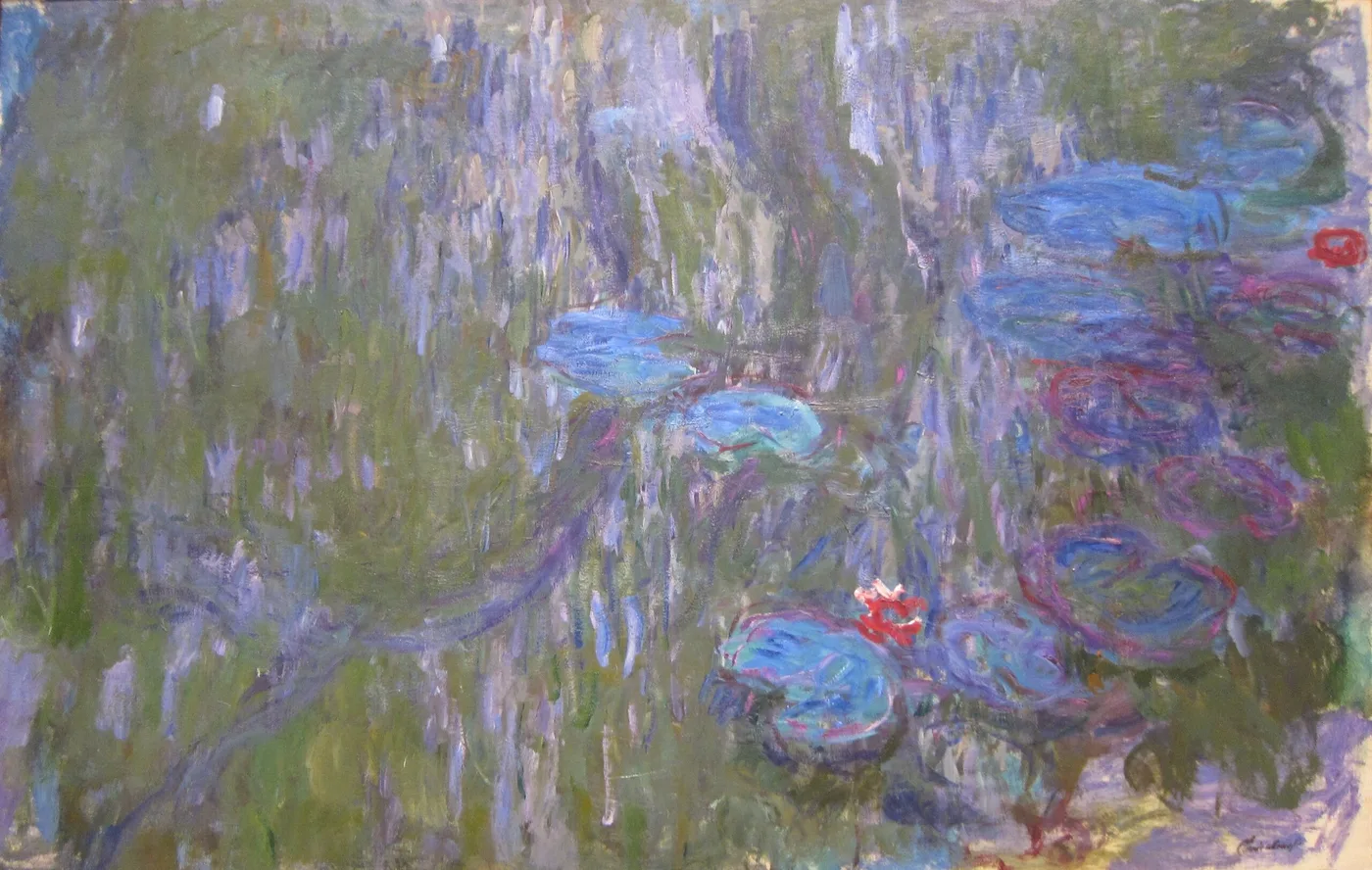
What ties these fifty-seven paintings together is range. You can build a wall entirely from cool coastal blues and greys, or from the warm ochres and lilacs of the grainstack and cathedral series, and the two moods will still speak to each other because the hand behind them is the same. The early Normandy and Seine scenes carry crisp drawing and clear horizons, which suits a hallway or study where a picture is read close up. The late Giverny canvases work best in living rooms with generous daylight, where their dissolved edges have room to breathe. Take your time with the grid above, then browse the full collection when a painting starts to feel like yours.
Official collection: The Metropolitan Museum of Art