
Giverny & the Garden Pond Collection: Claude Monet Oil Painting Reproductions
Monet moved to Giverny in 1883, bought the property in 1890, and spent the next 43 years shaping its grounds into the garden that appears throughout the second half of his career: flower borders along the Grande Allee, the arched Japanese bridge, and the pond he later devoted himself to almost exclusively. This collection covers the garden itself rather than the water lilies alone, the paths, the wisteria, the irises, and the house seen through trees, the domestic version of the Giverny project before it narrowed to reflection and lily pads. Monet designed the garden as deliberately as he composed a canvas, choosing plants for color against color the way he mixed paint, and treated it as his primary subject once travel became harder in his later years. The appeal here is Monet the gardener as much as Monet the painter, canvases that bring cultivated, sunlit greenery indoors, dense with flowers and structure, warmer and less flat than the open water paintings on their own.
Showing 1–16 of 76 results
-
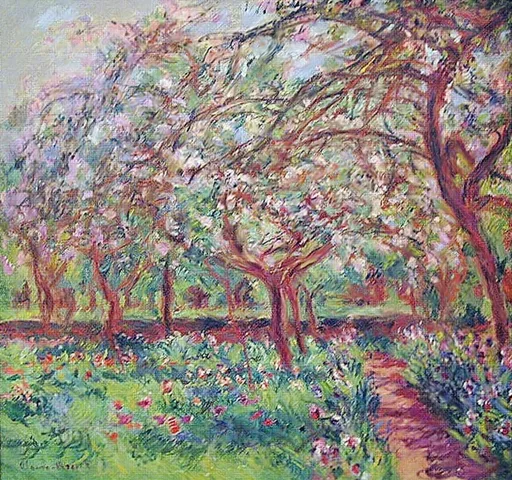
Apple Trees in Bloom at Giverny
From $109 -
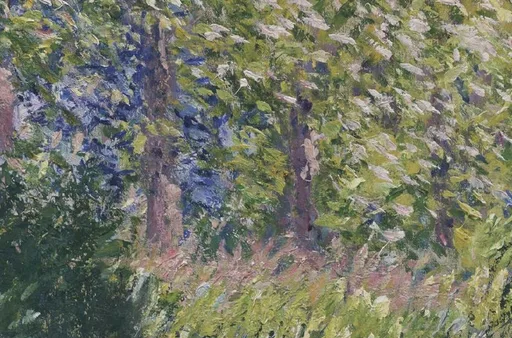
Bend in the Epte River near Giverny
From $109 -
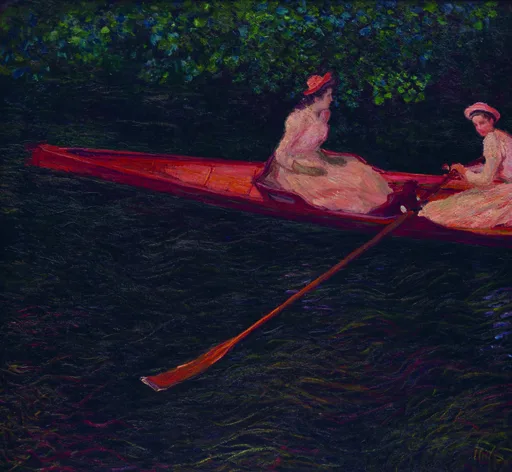
Boating on the River Epte
From $109 -
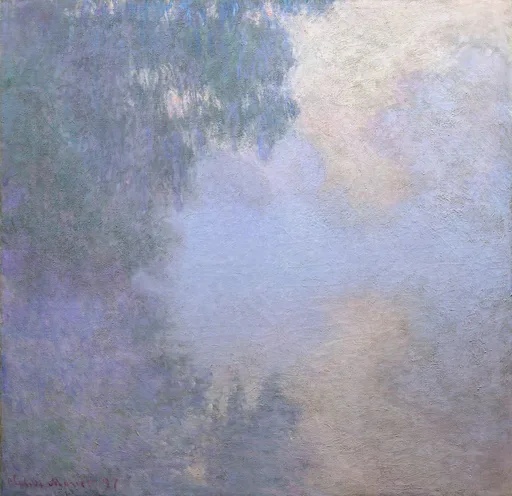
Branch of the Seine near Giverny (Mist), from the series “Mornings on the Seine”
From $109 -
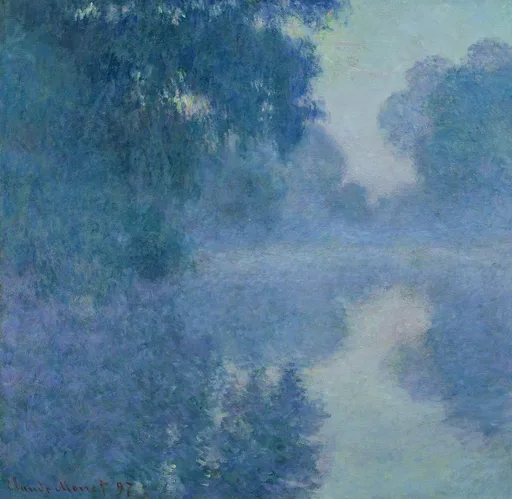
Branch of the Seine near Giverny, Sunrise
From $109 -
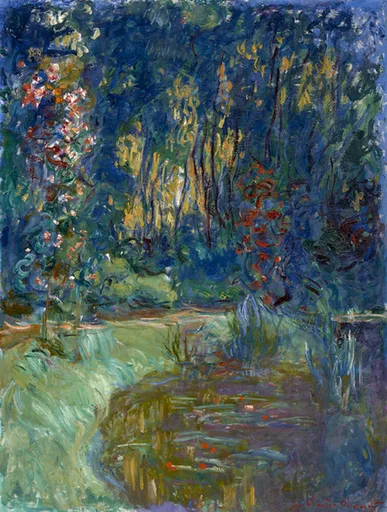
Coin de l’étang à Giverny
From $109 -
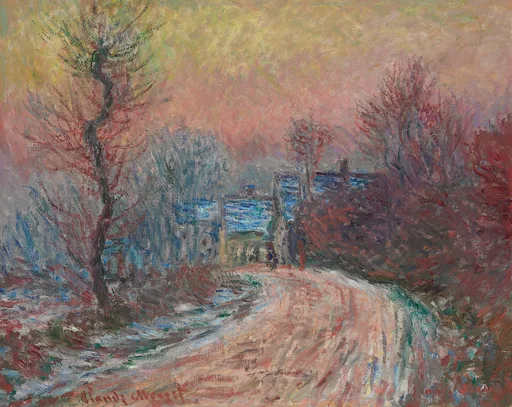
Entrance to Giverny in Winter, Sunset
From $109 -
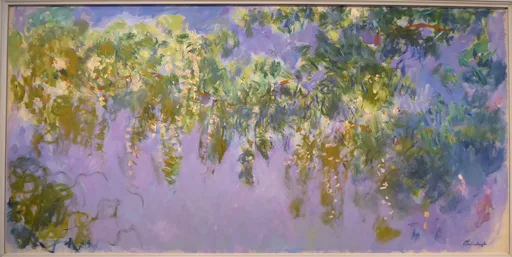
Étude de Glycines (Glycines Study)
From $109 -
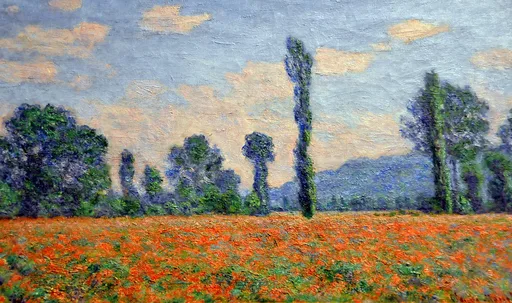
Field of Poppies near Giverny
From $109 -
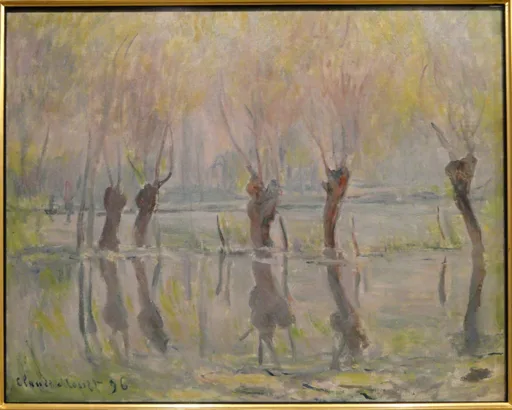
Flood at Giverny
From $109 -
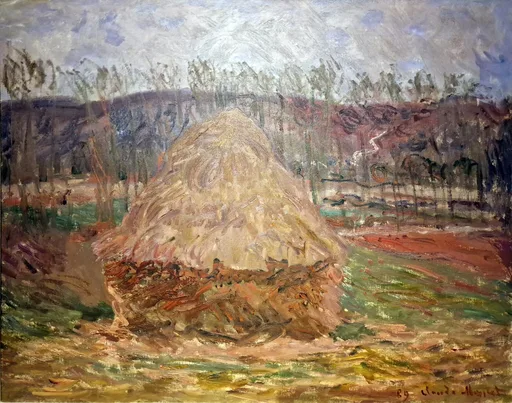
Grainstack at Giverny
From $109 -
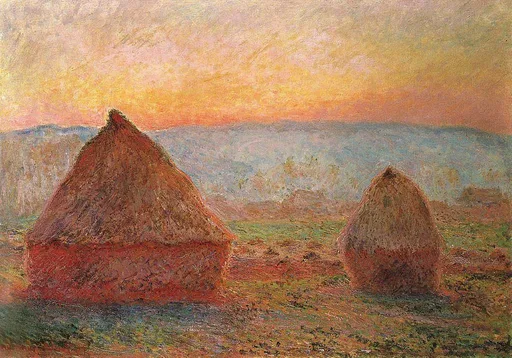
Grainstacks at Giverny the Evening Sun
From $109 -
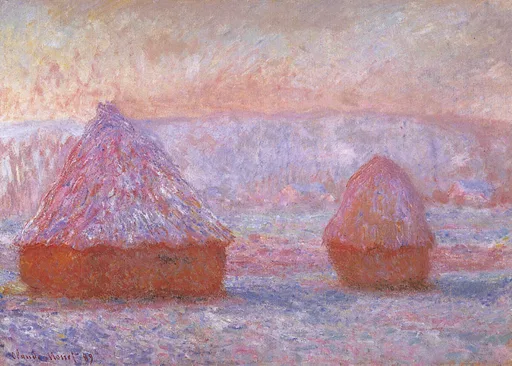
Grainstacks at Giverny, Morning Effect
From $109 -
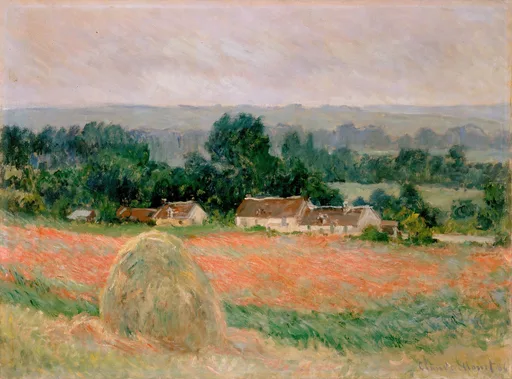
Haystack at Giverny
From $109 -
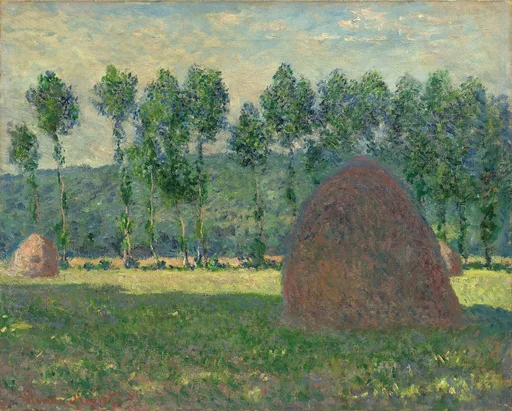
Haystack near Giverny
From $109 -
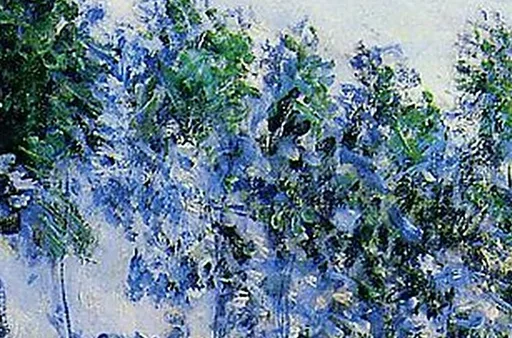
Haystacks at Giverny
From $109
Giverny was the only subject Monet could reach without leaving home, and the only one he designed himself. These fifty-three works cover the whole property: the flower beds of the Clos Normand, the wisteria and the irises, and the water garden he had dug, planted and re-shaped over three decades until it became a motif.
A garden made in order to be painted
Monet rented the house at Giverny in 1883 and bought it in 1890, once the paintings were selling well enough to make him a landowner. The flower garden came first, laid out in long beds so that colour arrived in waves through the season. From 1893 he added the water garden on a strip of land across the road, diverting water from the Epte to feed the pond, over the objections of neighbouring farmers who were unconvinced by the exotic plants he intended to put in it.
What he built was not a backdrop but an instrument. The pond was enlarged, the plantings adjusted, the footbridge later hung with wisteria, and gardeners were employed to keep the surface clear. From there the paintings follow the weather and the hour rather than the tour: the same path under different light, agapanthus and irises at close range, the pond in morning haze. It is worth remembering that the garden and the canvases grew together, each one changing the other.
Hand-painted oil reproductions, made to order
Choose a hand-painted oil reproduction, worked in genuine oils on artist-grade cotton canvas by a senior studio painter rather than printed, or the lower-priced archival canvas print of the same image. Size and orientation are yours to select, and each piece can be finished rolled, stretched over a bar, or framed in a thin or thick moulding. Nothing is held in stock; every order is painted or printed for you, hand inspected, shipped free worldwide and covered by a 30-day return guarantee.
Which room this collection suits
These are dense, high-chroma pictures, greens and pinks packed edge to edge with very little empty space. They need a plain wall. Patterned wallpaper or a busy gallery arrangement will fight them, whereas a flat wall in white, pale sage, stone or a deep muted green lets the colour do its work. They are happy in strong daylight, which suits garden rooms, kitchens, dining rooms and conservatory walls. Because there is no single focal point, a medium to large format reads better than a small one; below about 60cm the flower passages start to look like texture rather than flowers.
Frequently asked questions
What is the difference between this collection and the water lilies?
This group is the garden as a place: paths, beds, wisteria, the pond seen with its banks and surroundings. The water lily collection is the close view of the pond surface alone. Many buyers pair one from each.
Which of these suit a kitchen or dining room?
The flower-garden subjects, with their reds and yellows, hold up well under artificial light in the evening and look generous over a sideboard or a long table. The quieter pond subjects are better placed where people sit still.
Is a hand-painted oil noticeably different from a print?
Yes. The oil is painted by hand in real paint, so the surface carries brush texture and catches raking light, and no two are identical. The print is flat and exact, and costs less. Both use the same source image; see the size guide if you are deciding between a large print and a smaller oil.
Can I have one in a portrait shape for a narrow wall?
Several of the path and wisteria subjects crop well to a taller format. Choose the orientation at the point of ordering and we will confirm the composition before painting begins.