
Monet at Art Institute of Chicago
The Art Institute of Chicago holds one of the most important collections of Claude Monet outside France, and it is particularly strong where it matters most: the serial paintings. Chicago is the place to understand what Monet meant by painting a motif over and over until the subject becomes weather, hour and atmosphere rather than an object.
Chicago’s early appetite for Impressionism
The collection owes much to the city’s collectors of the 1890s, above all Bertha Honore Palmer, who bought Monet in quantity and with real conviction while much of the American art establishment was still unconvinced. Her holdings, and those of other Chicago families, passed into the museum and gave it a foundation few institutions could match later at any price. Because so many of these pictures were bought while Monet was still working, the collection carries an immediacy that more cautious later acquisitions rarely manage.
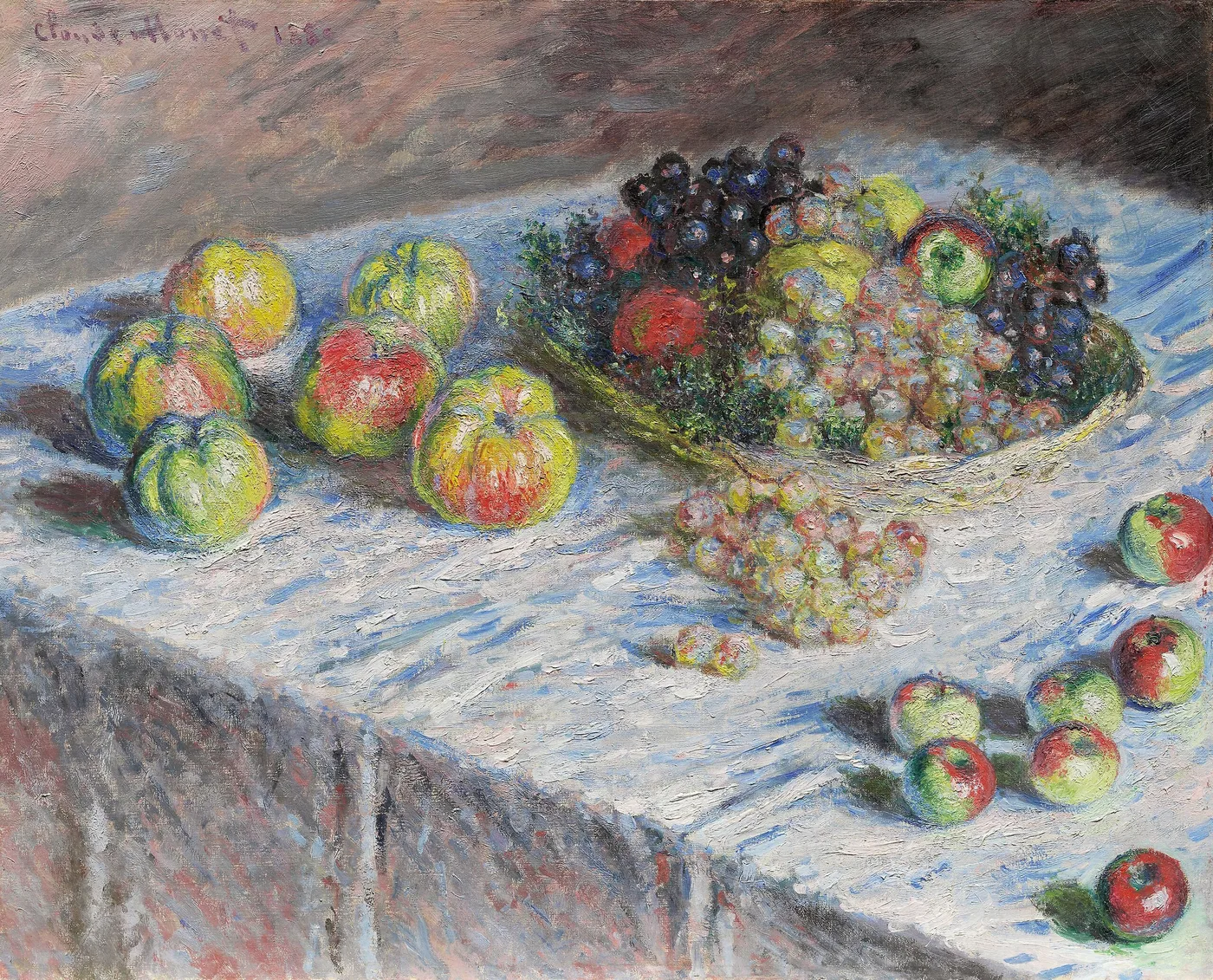
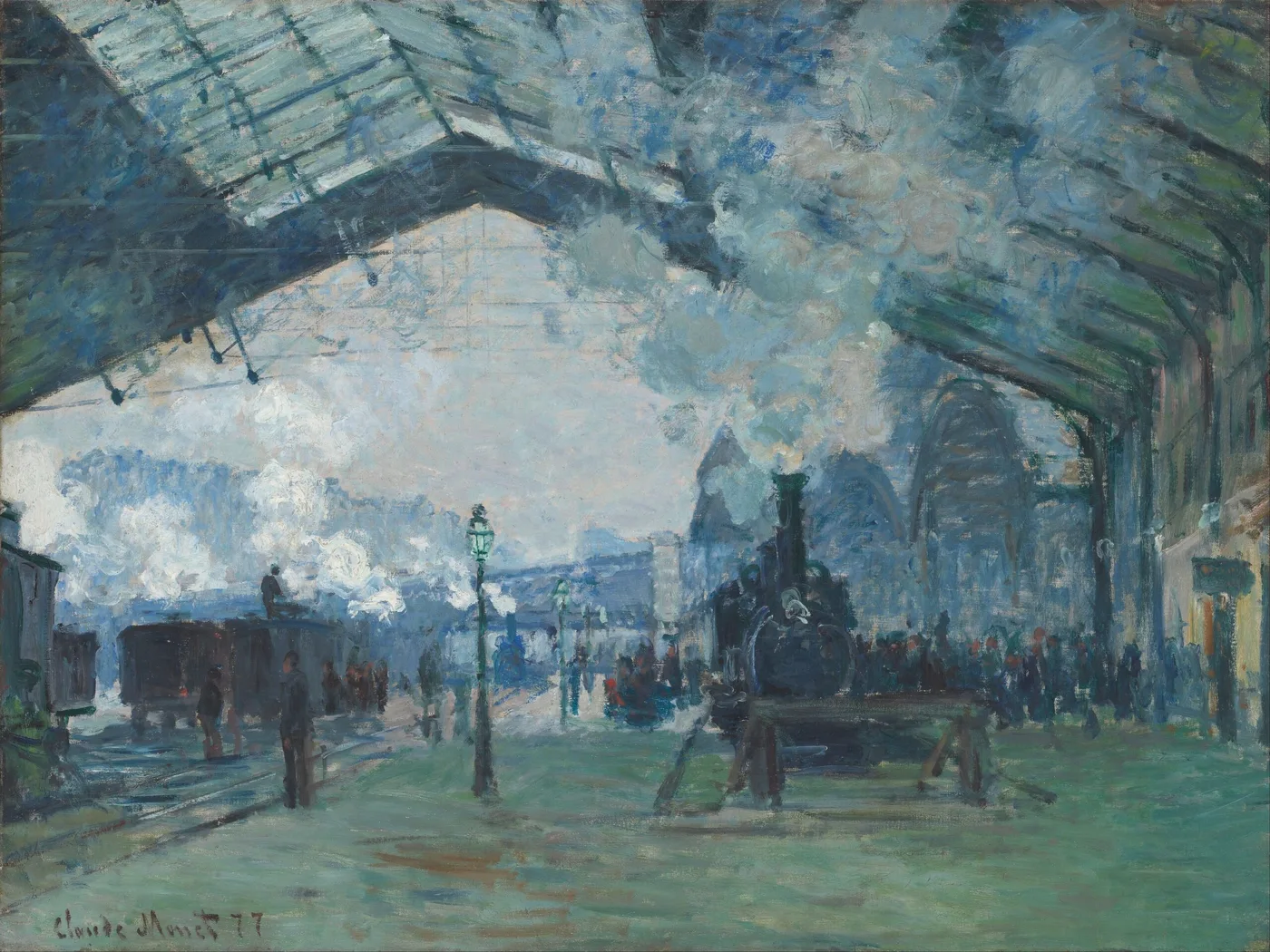
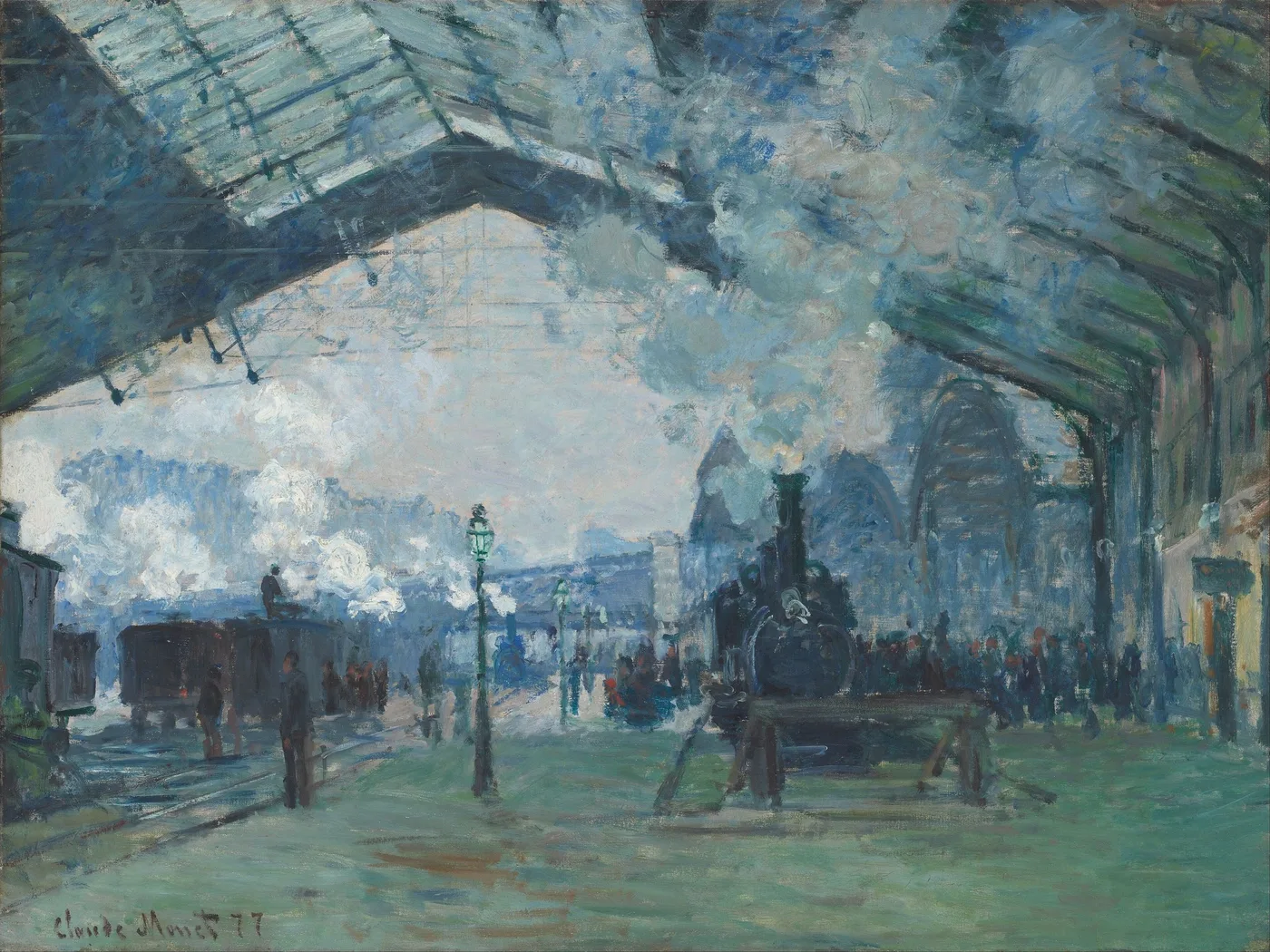
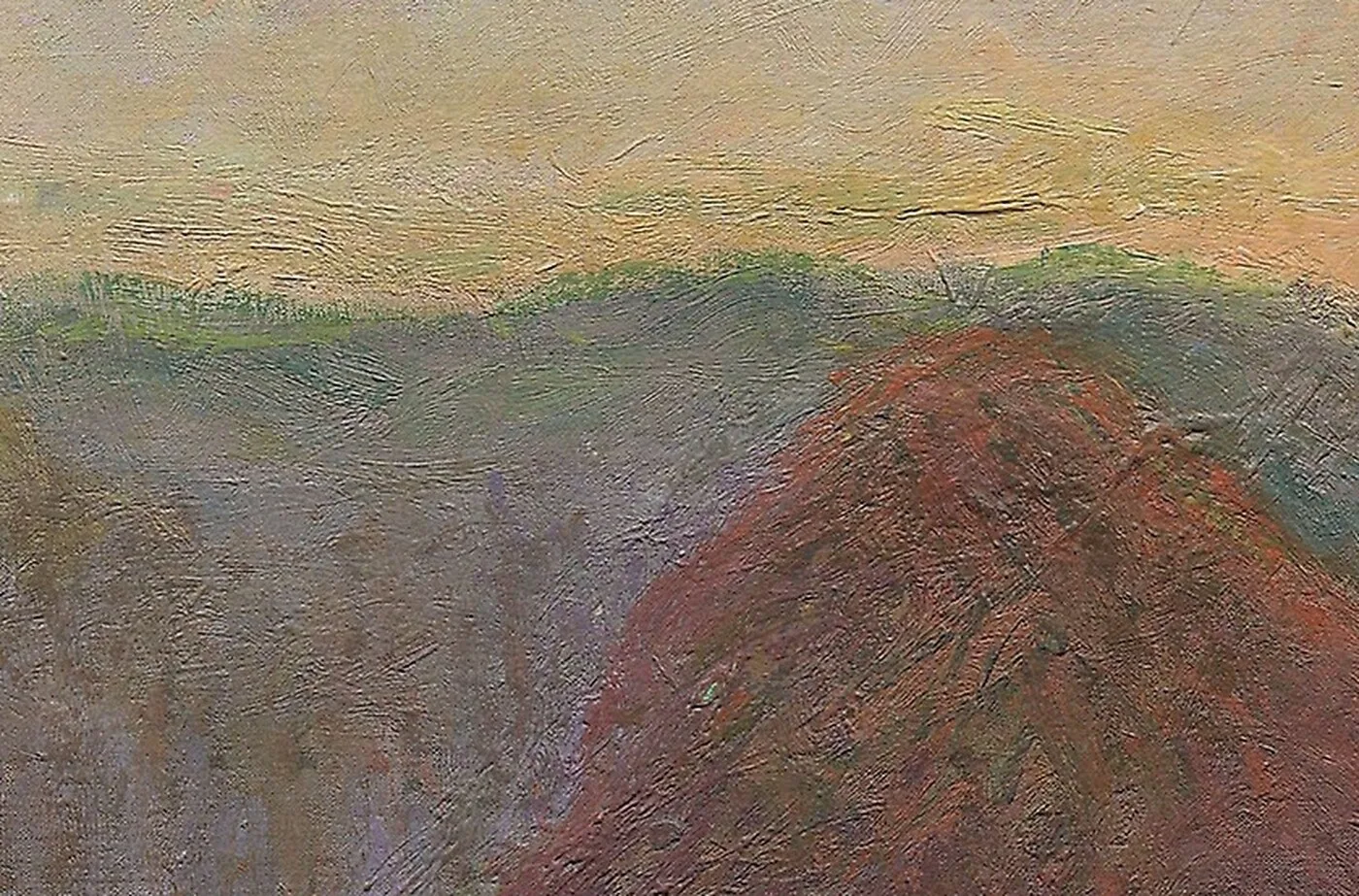
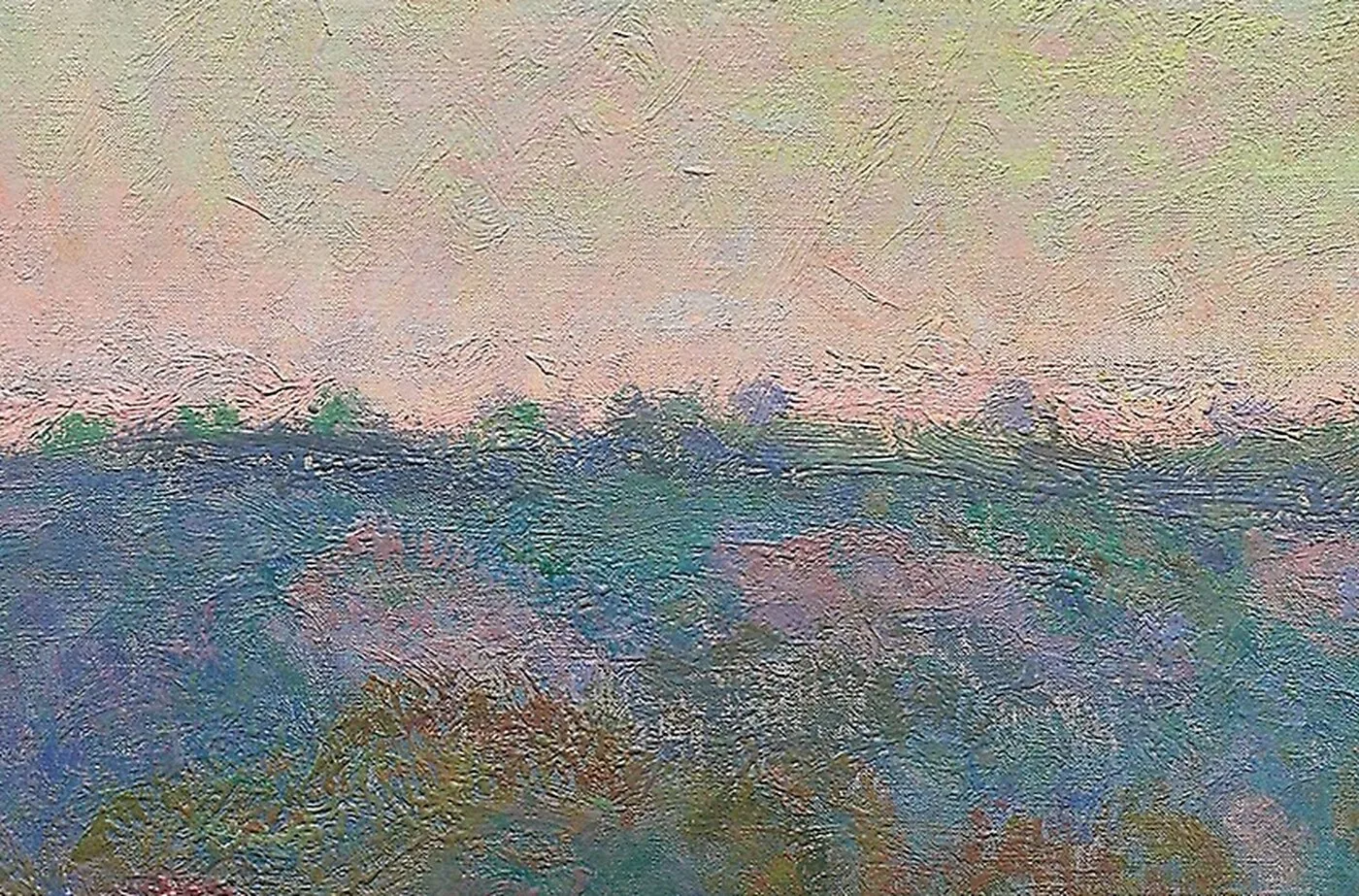
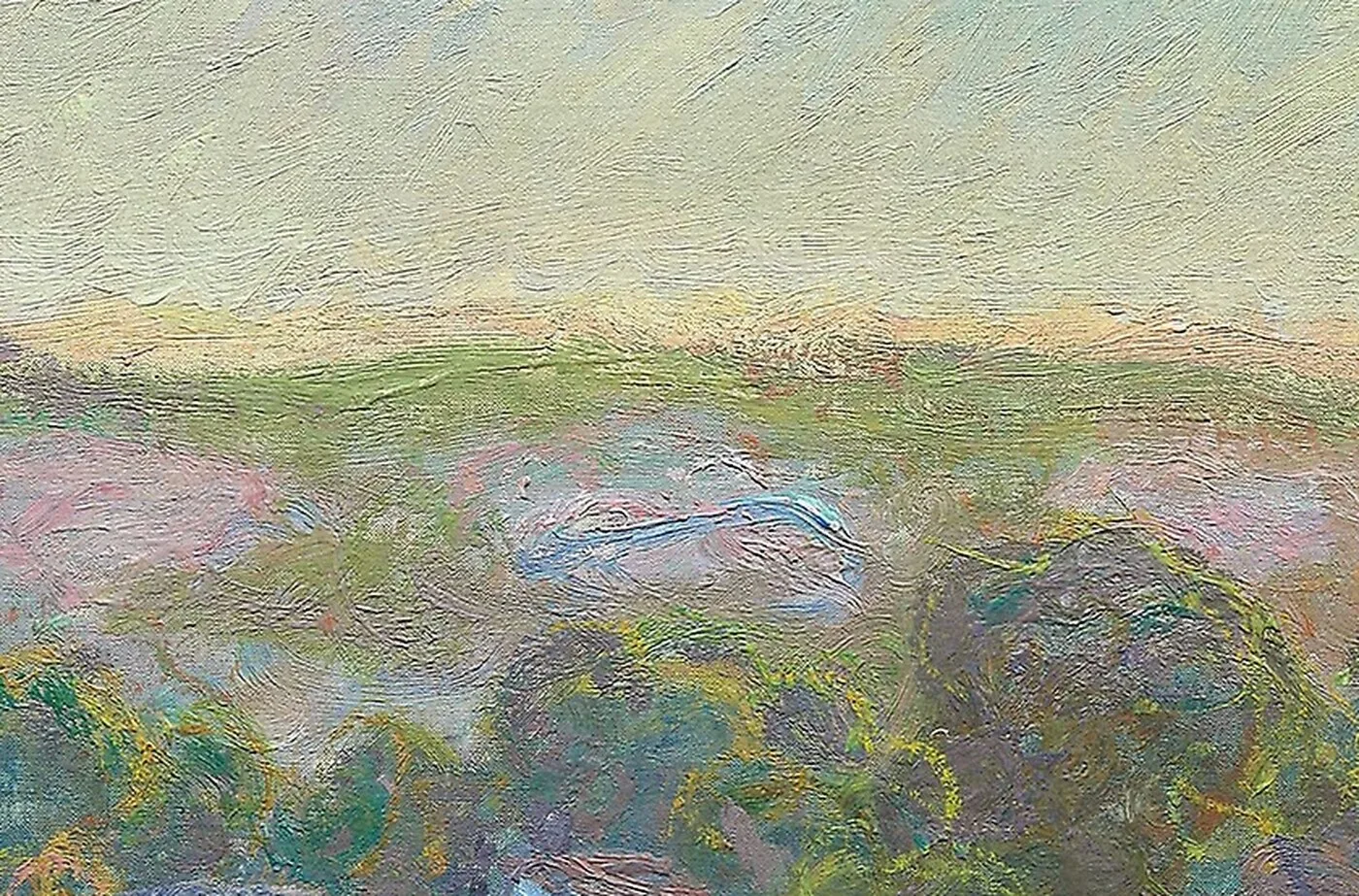
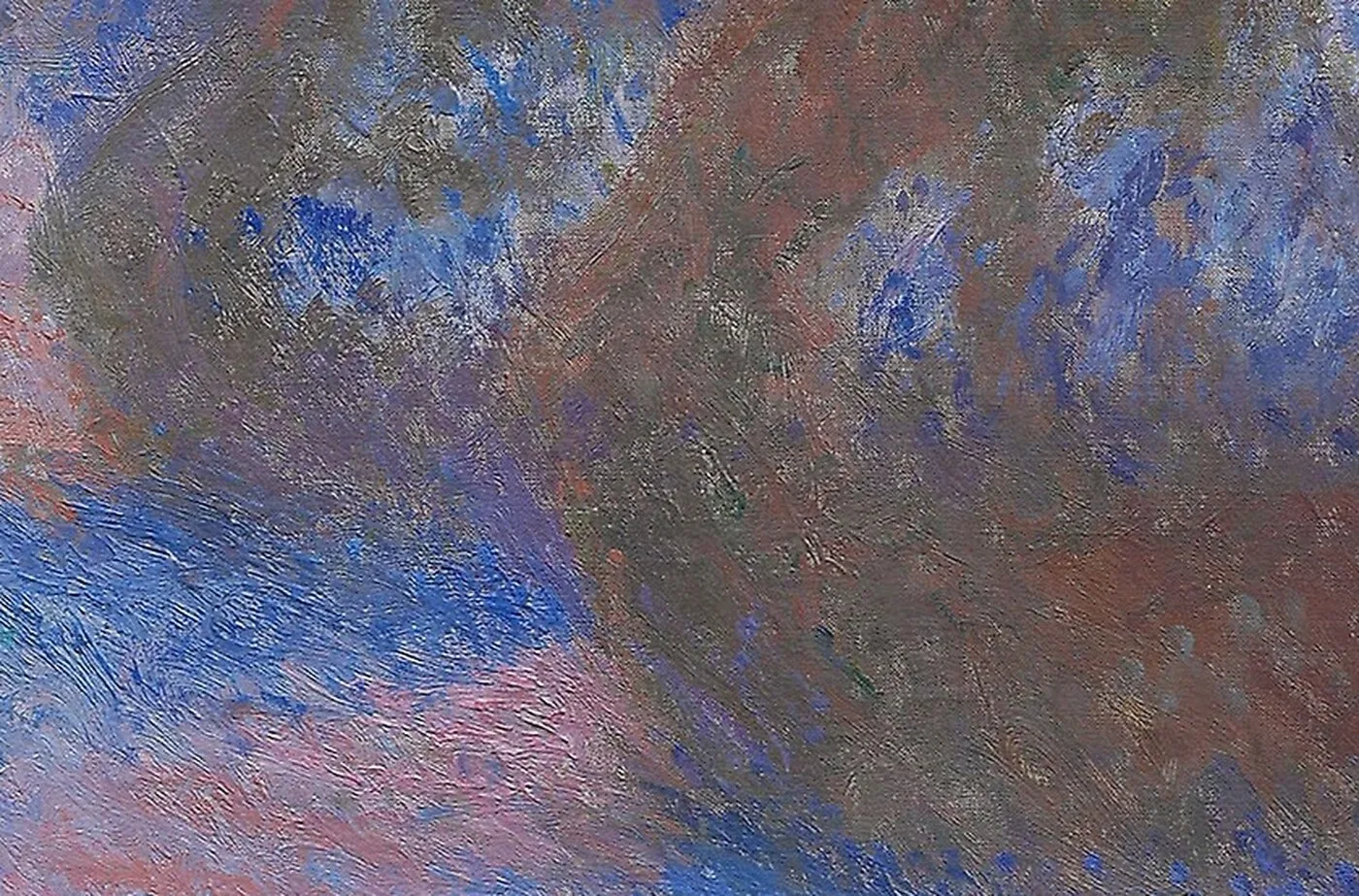
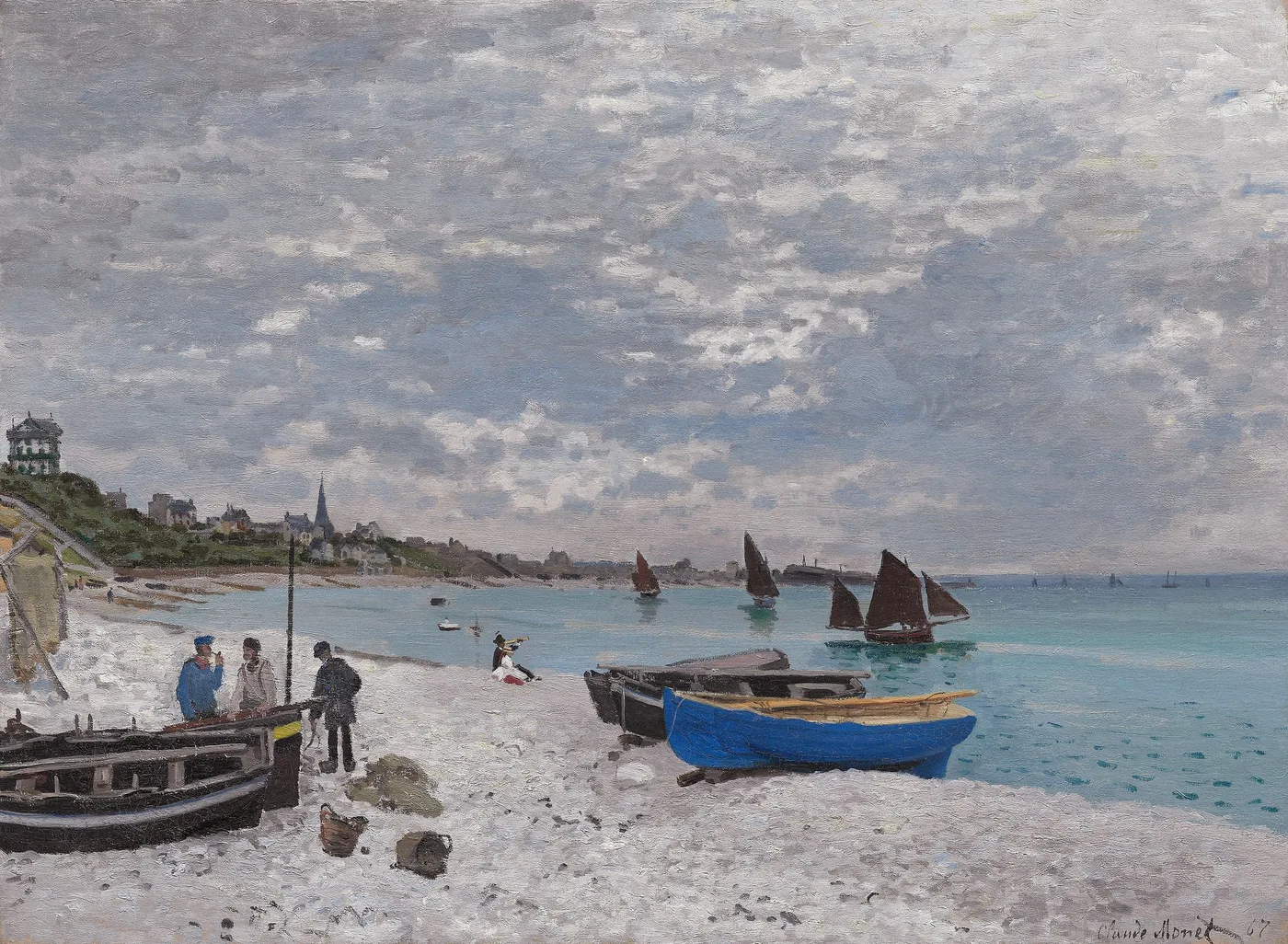
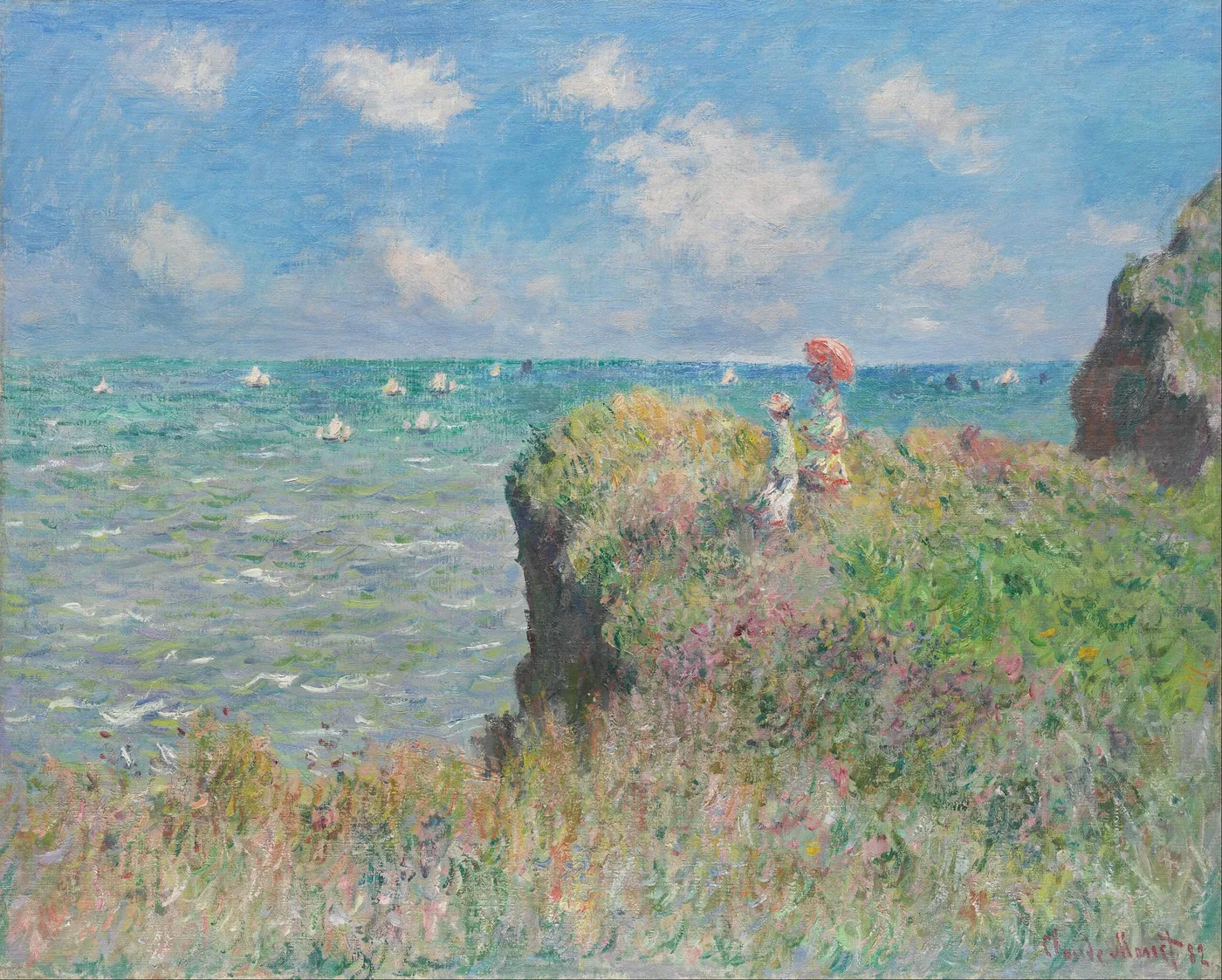
The best known group is the wheatstacks, a body of canvases from the 1890-91 series that shows the same simple forms in frost, in thaw, in summer haze and in the last flare of a winter sunset. Alongside them are Rouen Cathedral facades, a Water Lilies canvas from the Giverny years, the bright cliff-top air of Cliff Walk at Pourville, and Arrival of the Normandy Train, Gare Saint-Lazare, in which smoke does the work that mist does in the landscapes. Any painting shown below can be commissioned as a hand-painted oil reproduction.
42 Monet works from Art Institute of Chicago
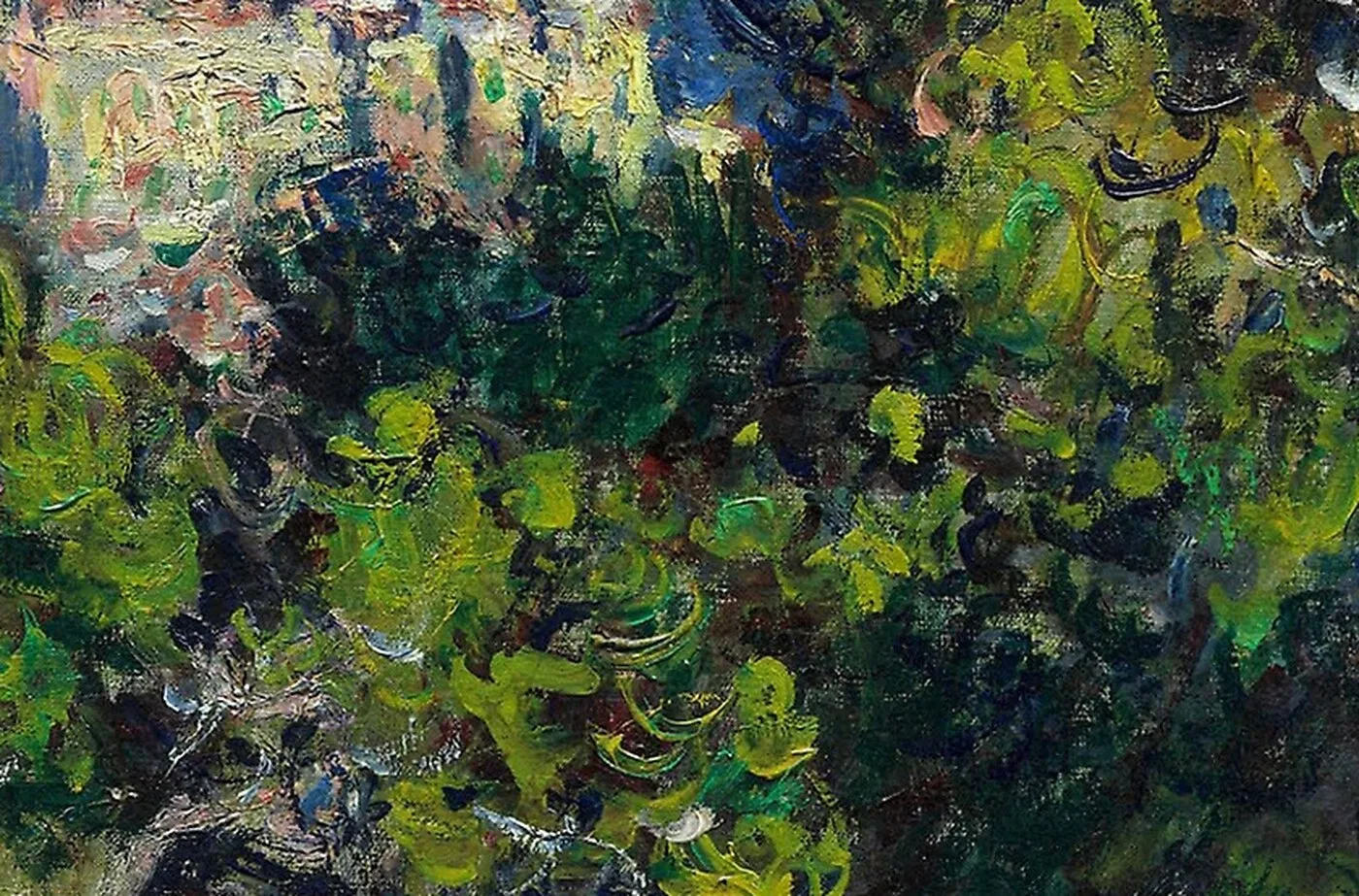
Bordighera
1884
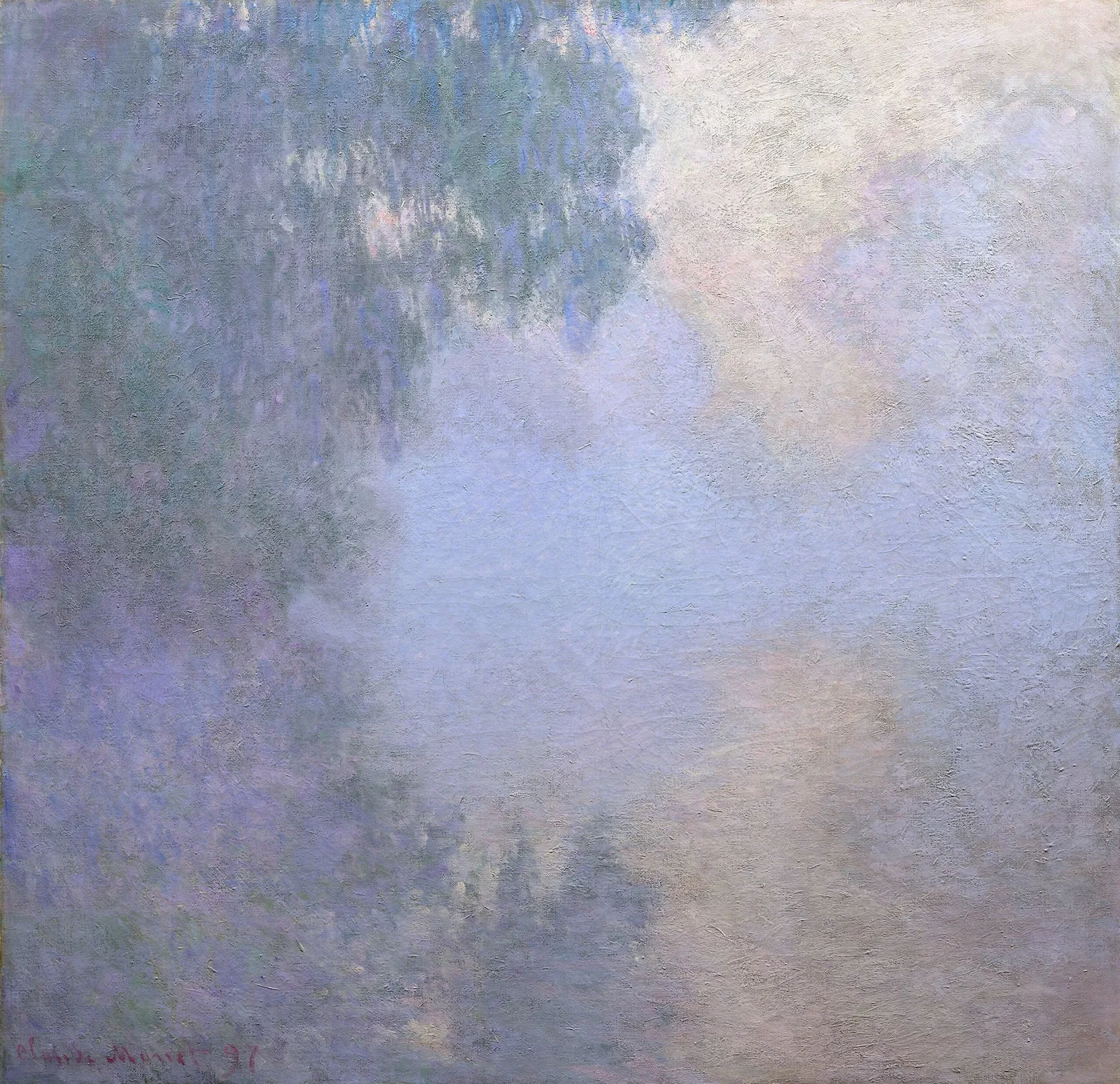
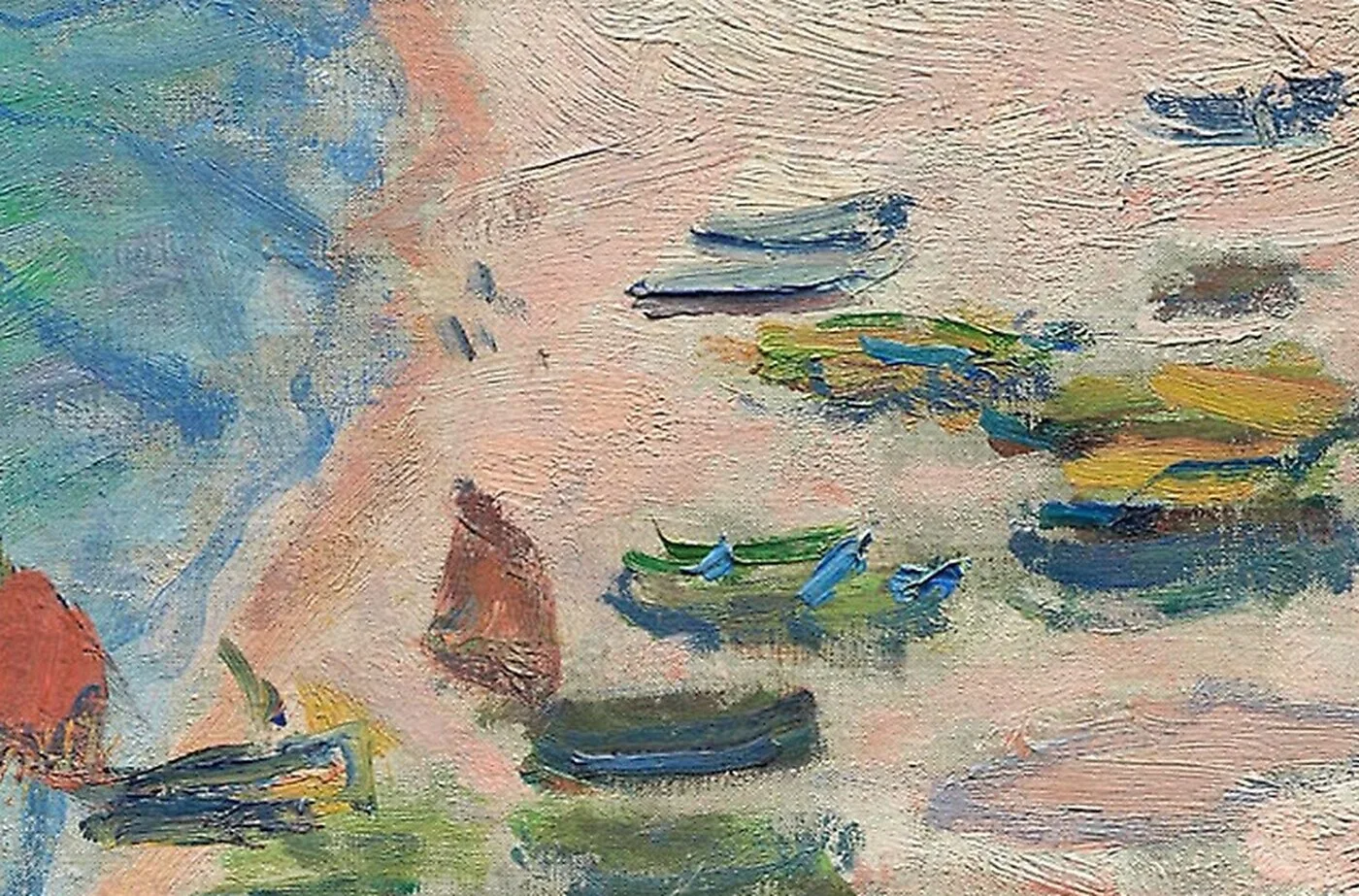

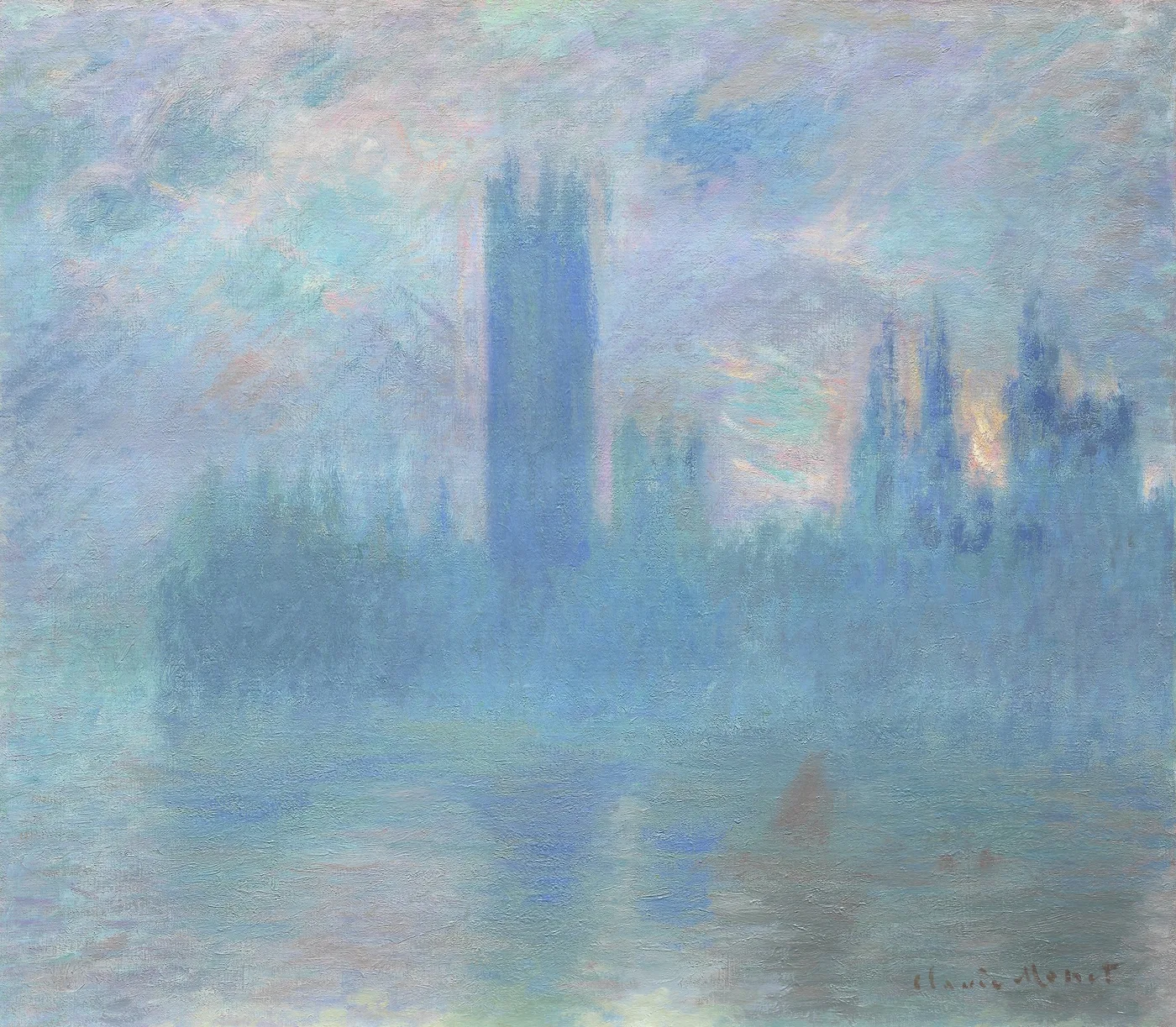
Houses of Parliament, London
1900-1901
Houses of Parliament, London
1900-1901
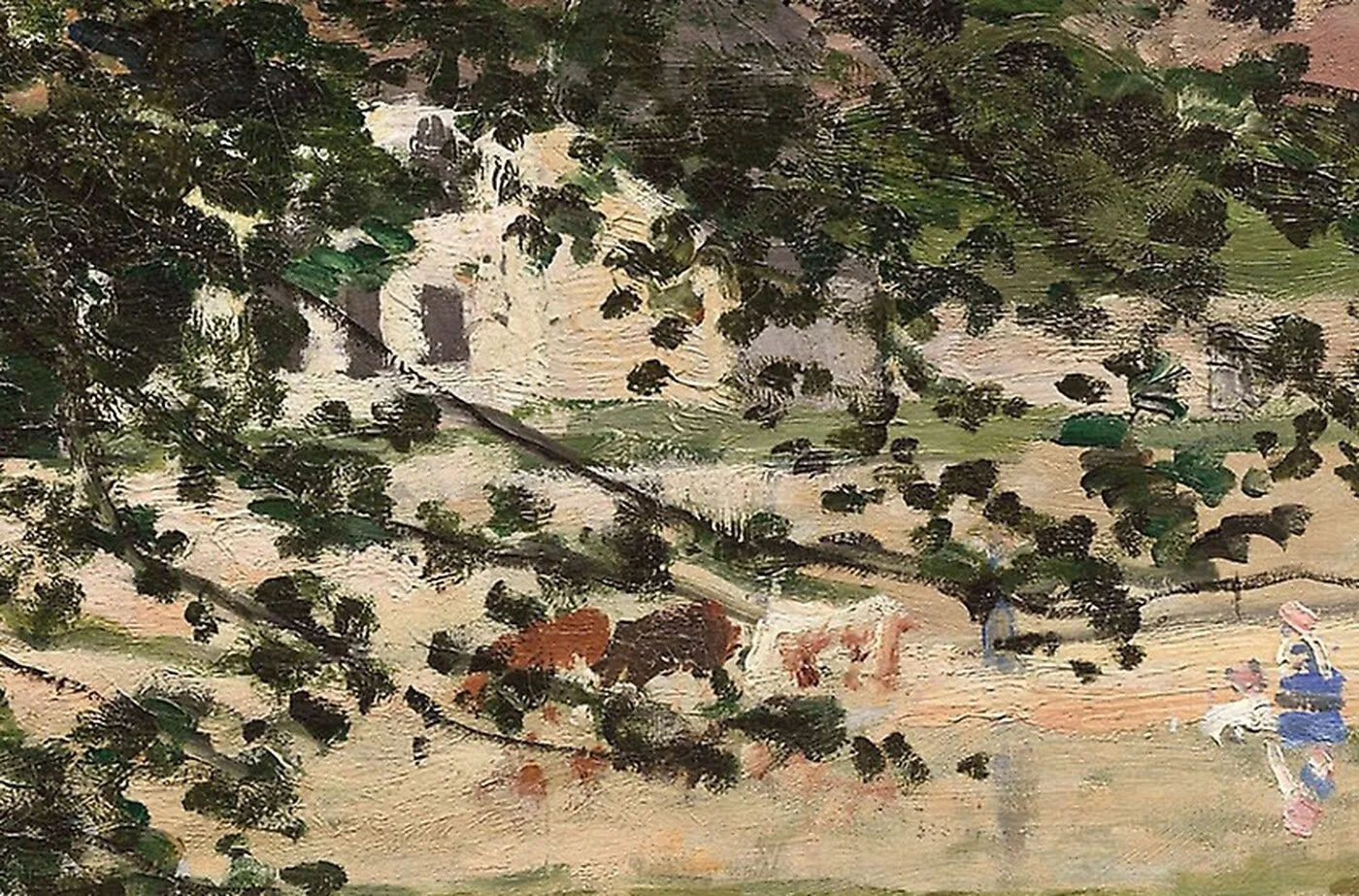
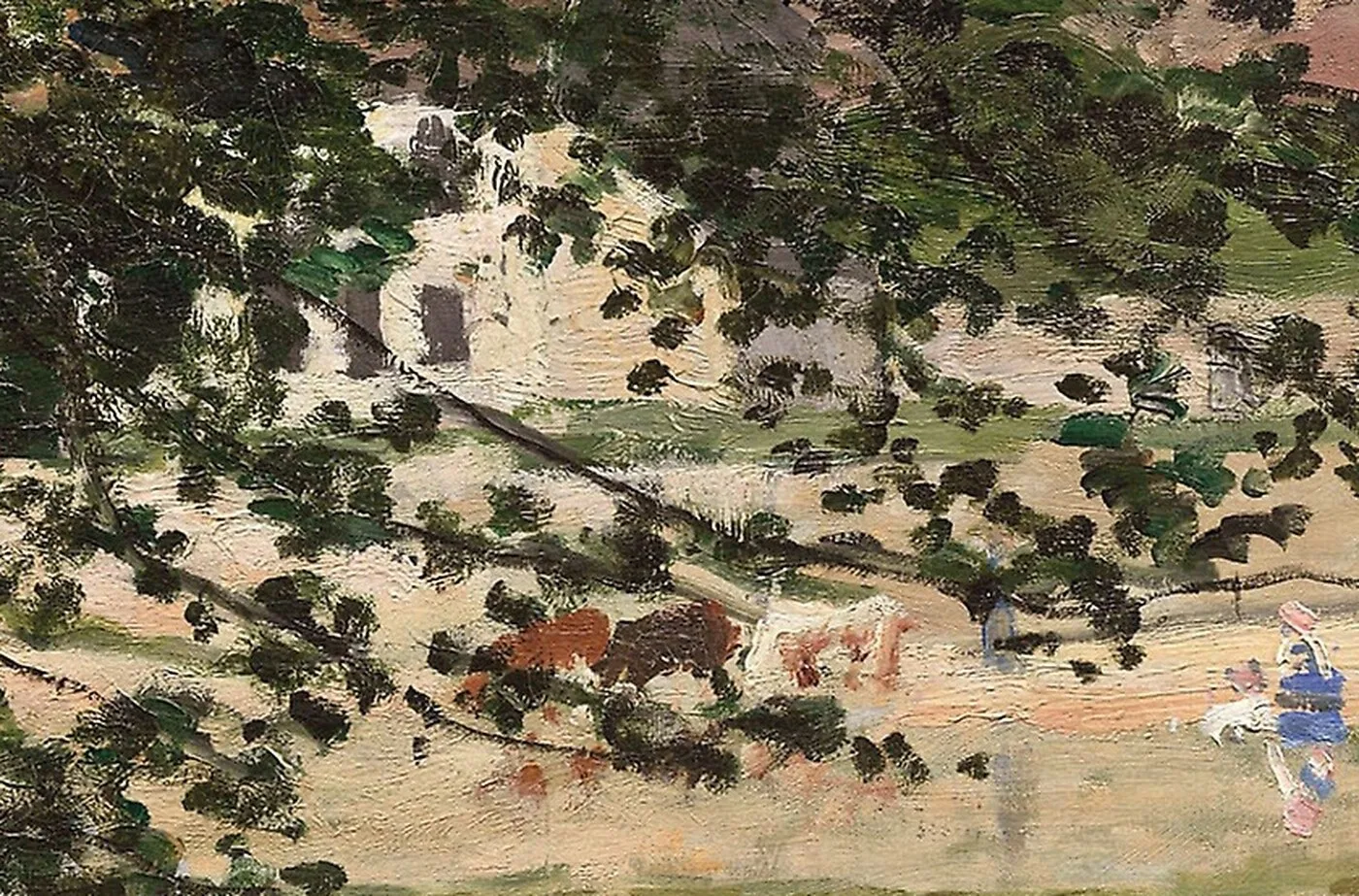
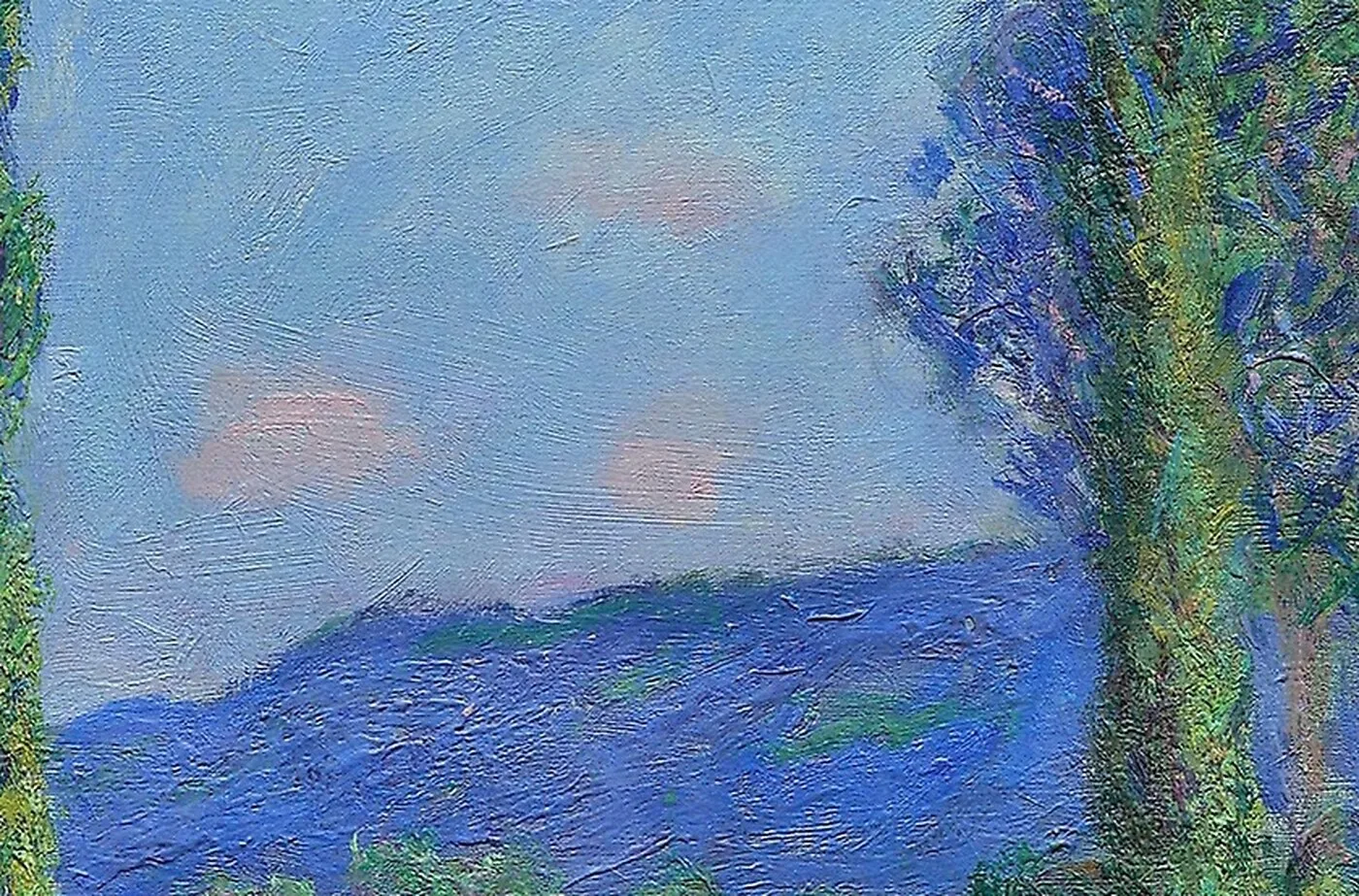
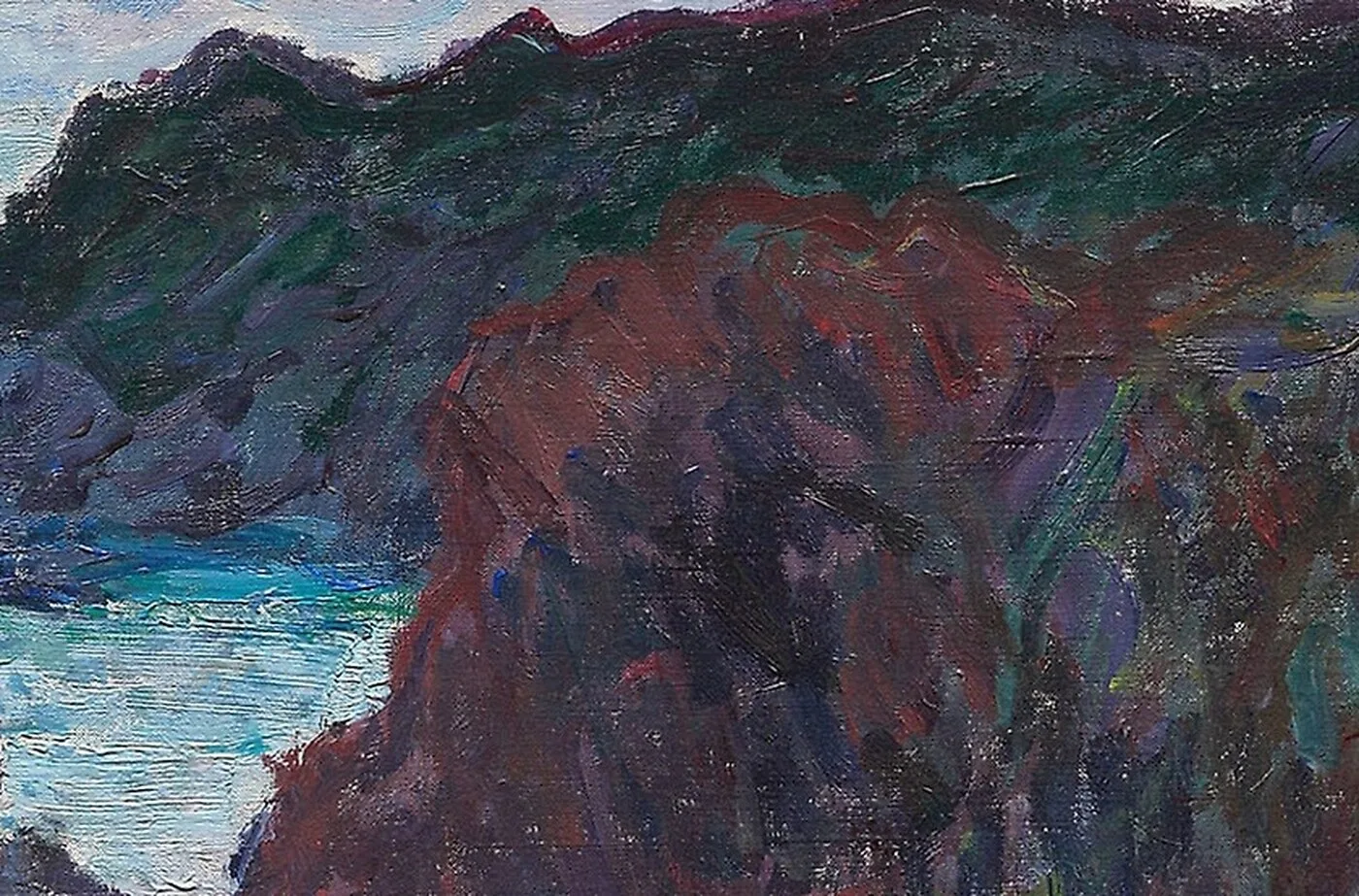
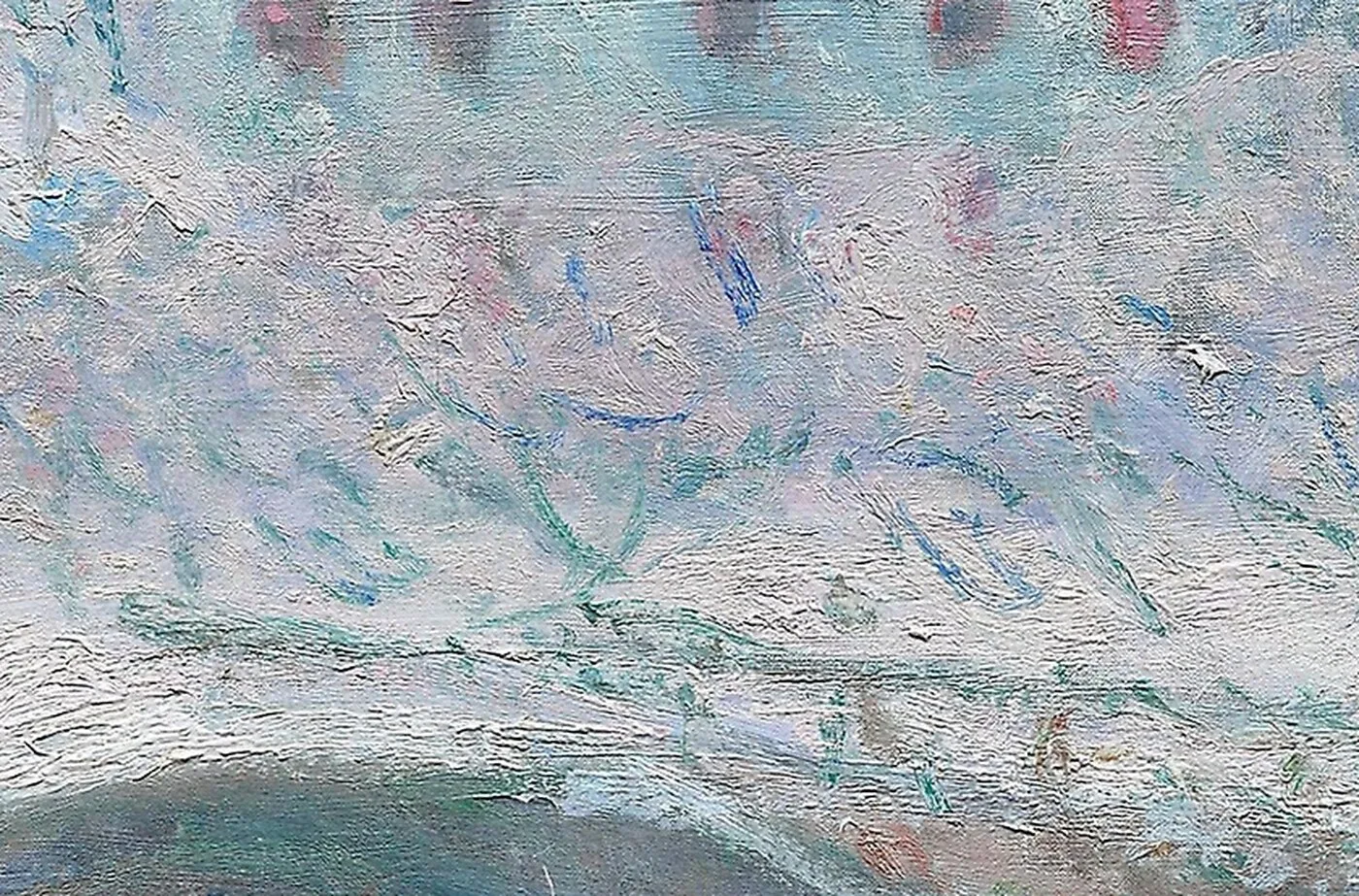
Sandvika, Norway
1895
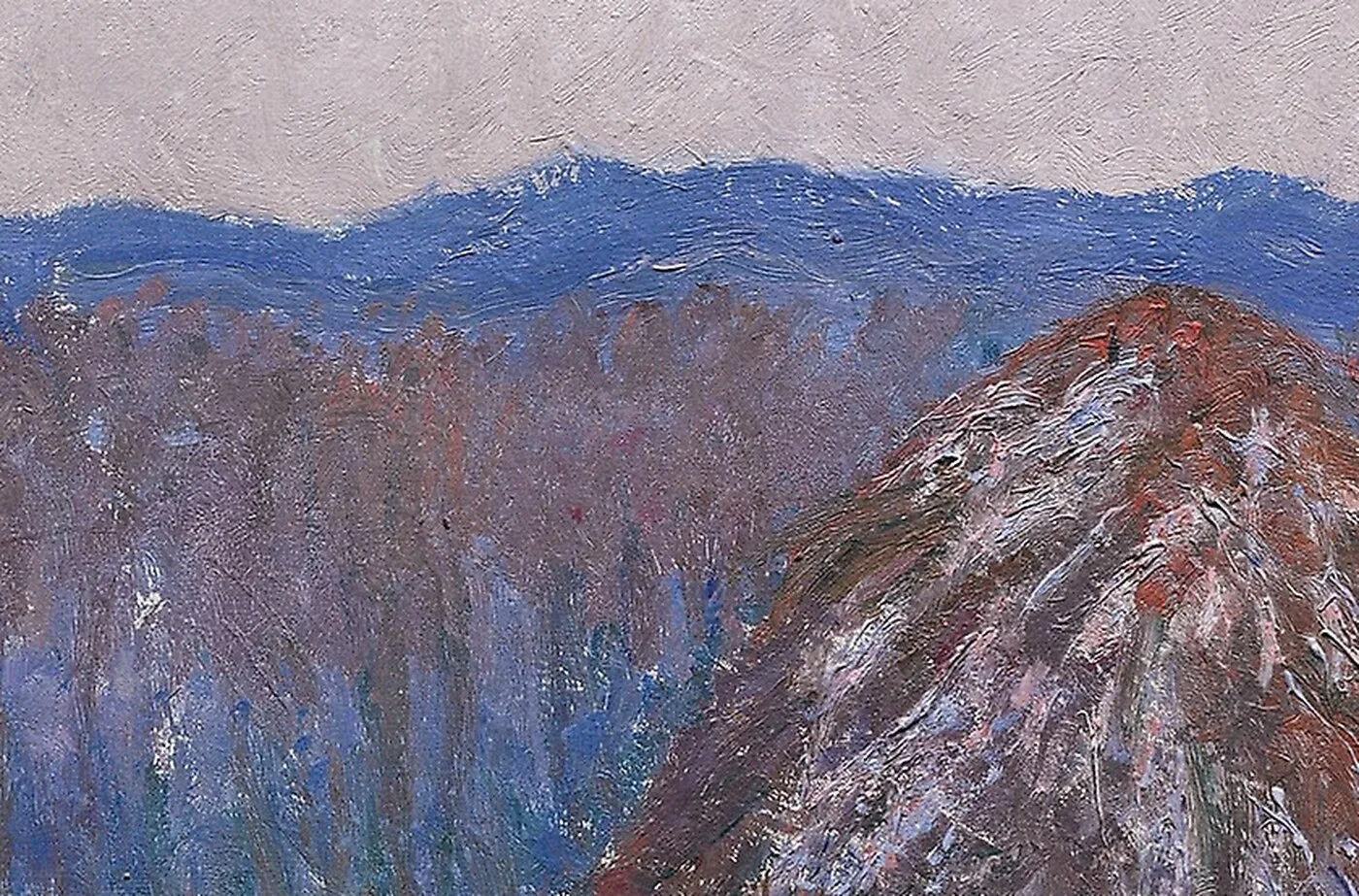
Stack of Wheat
1890
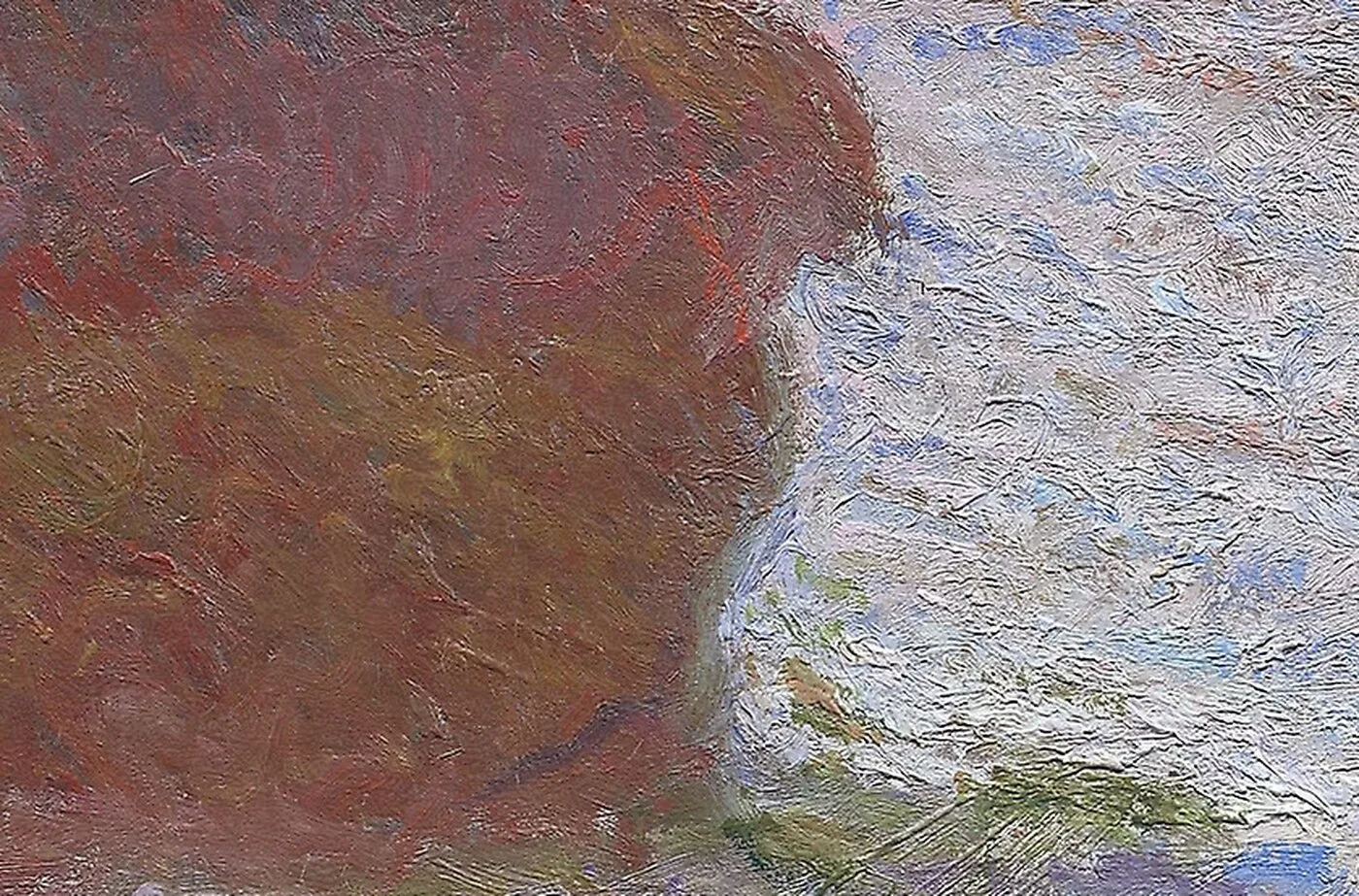
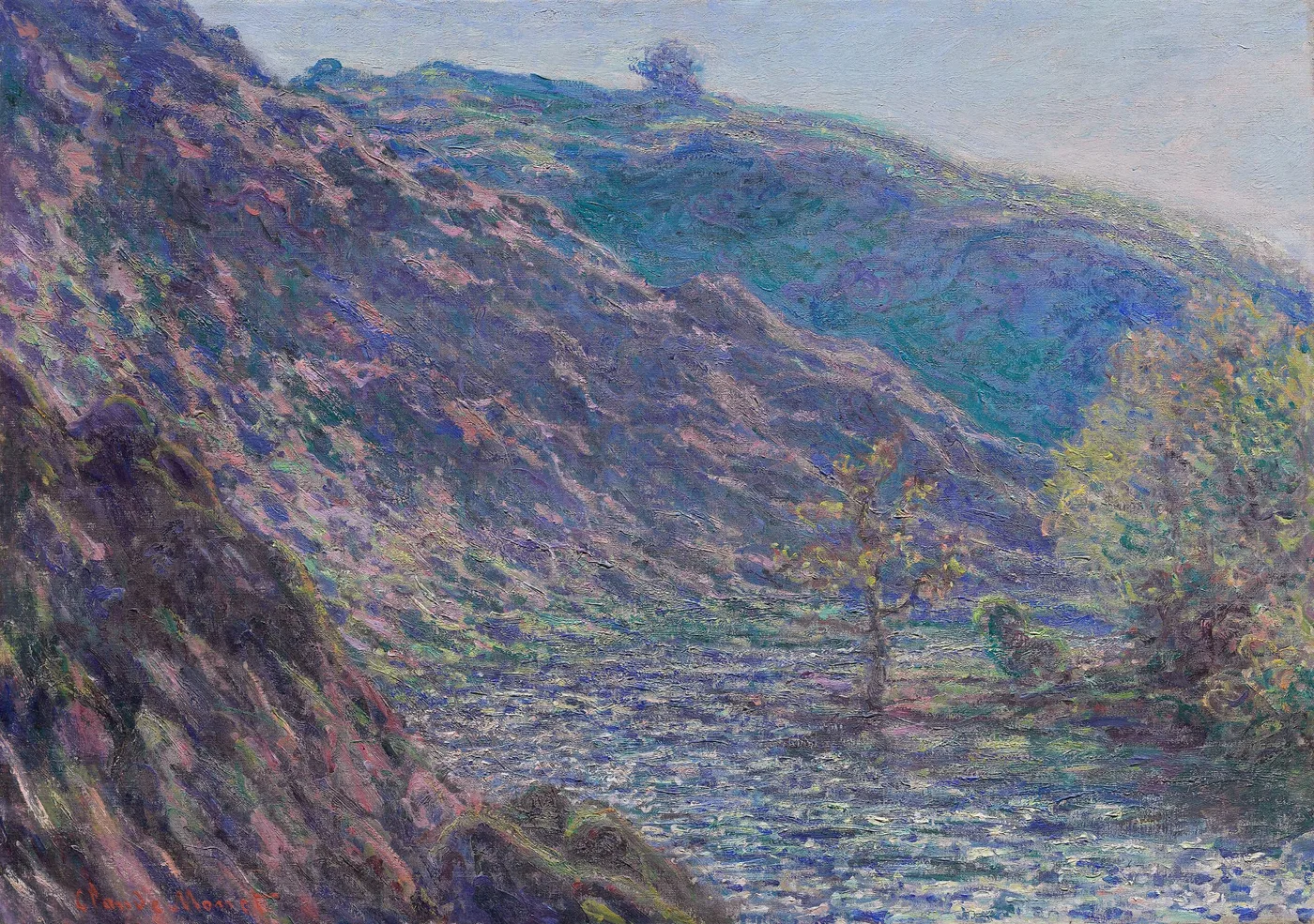
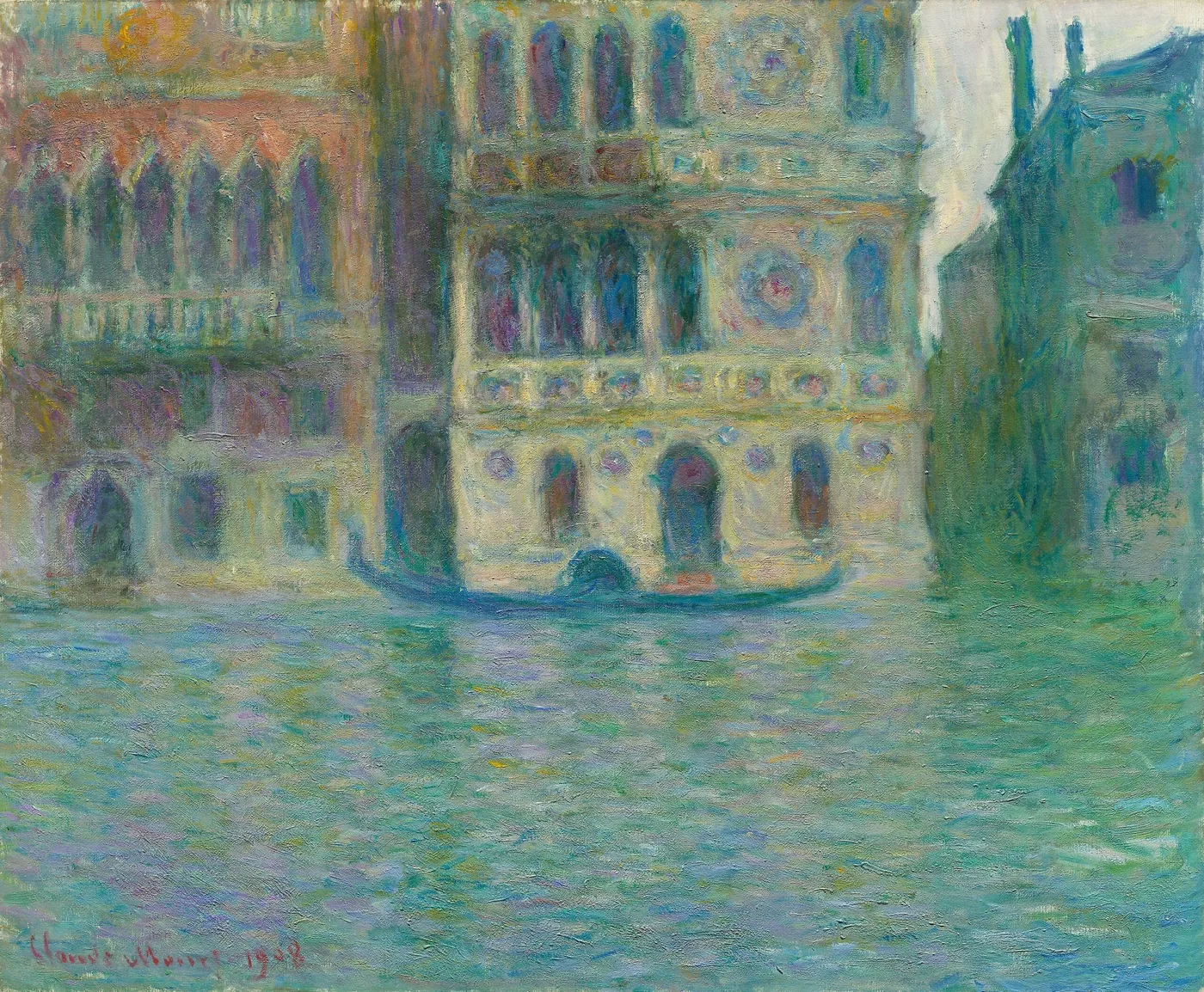
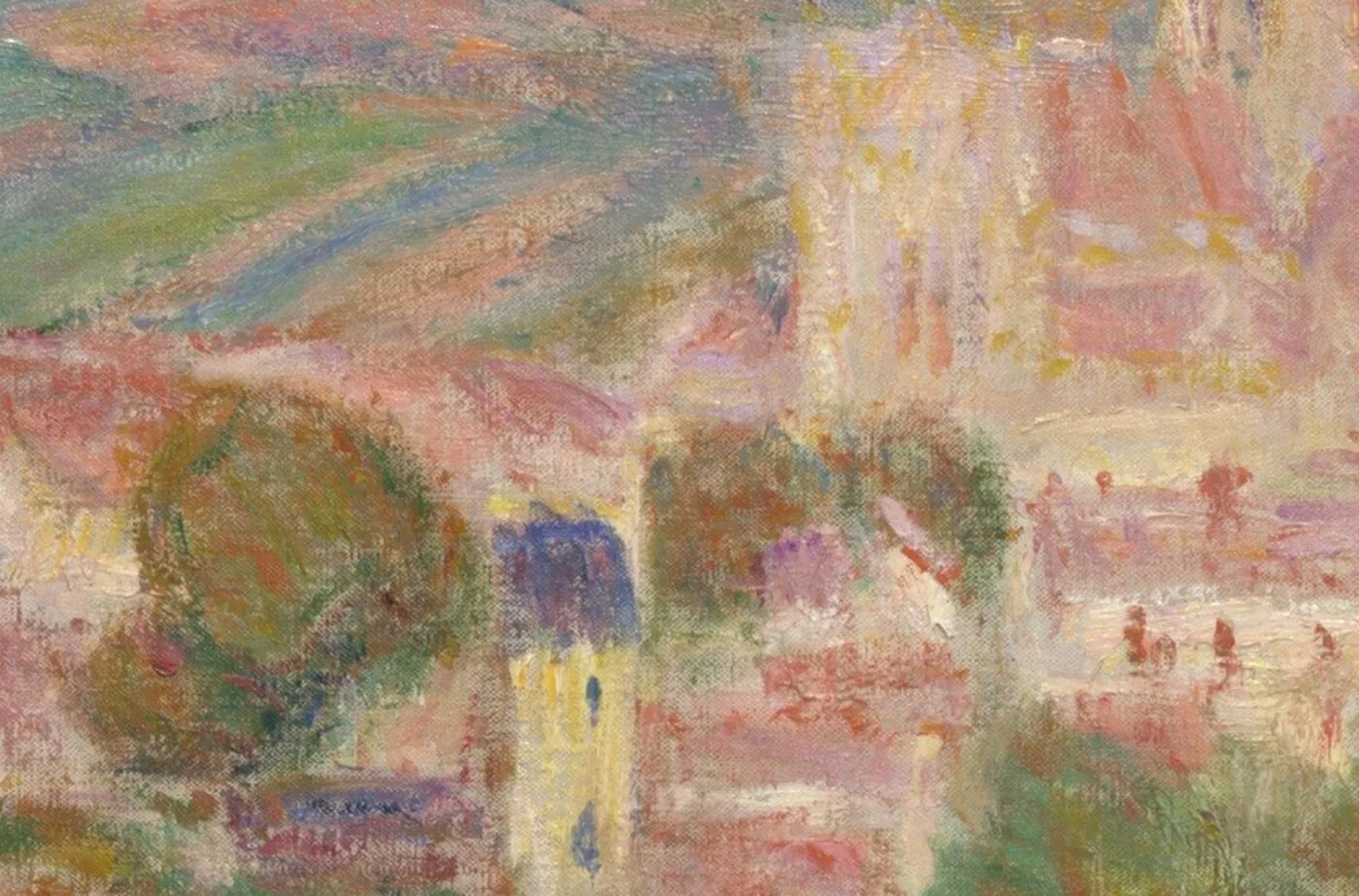
Vétheuil
1901
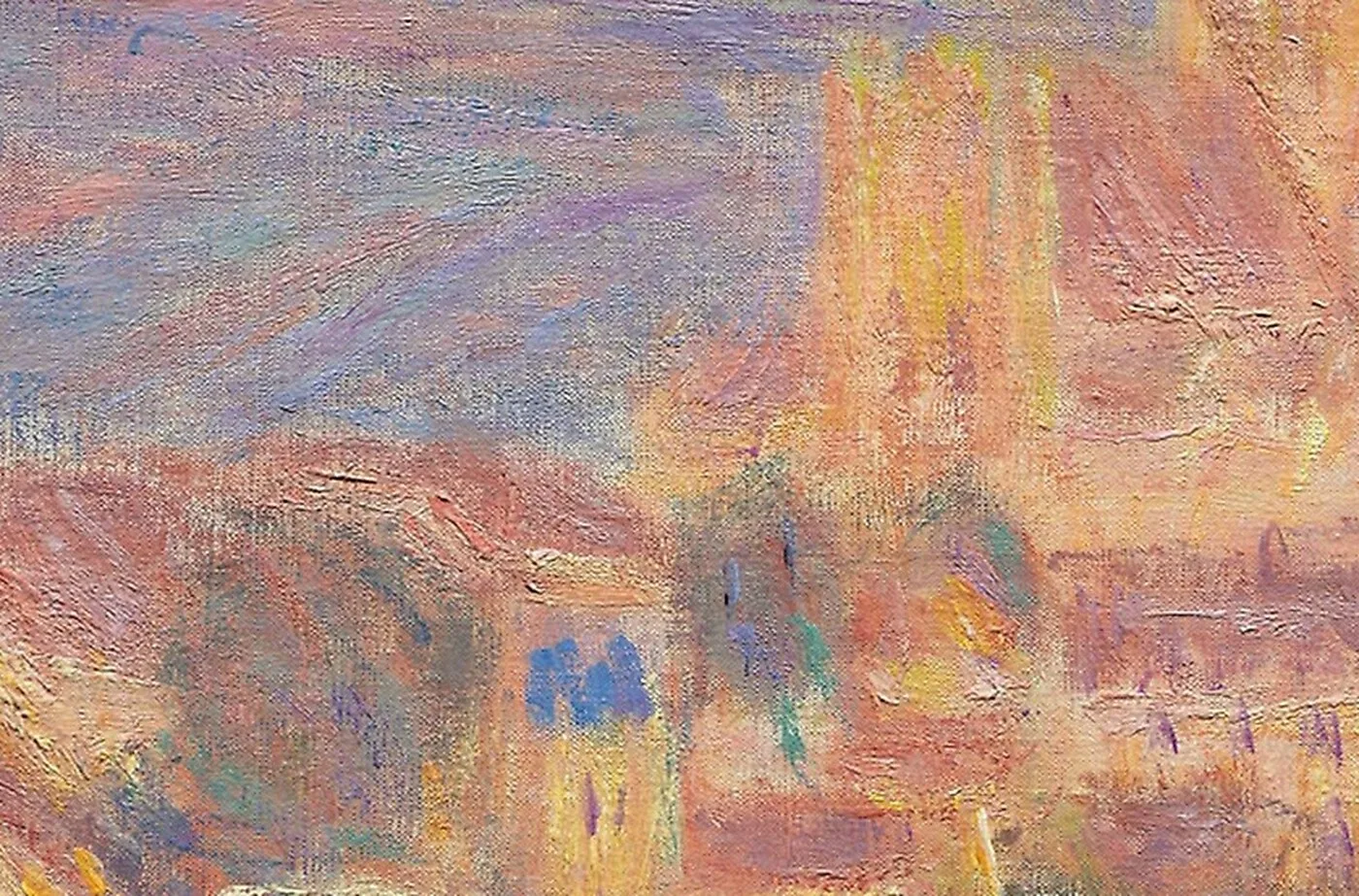
Vétheuil
1901
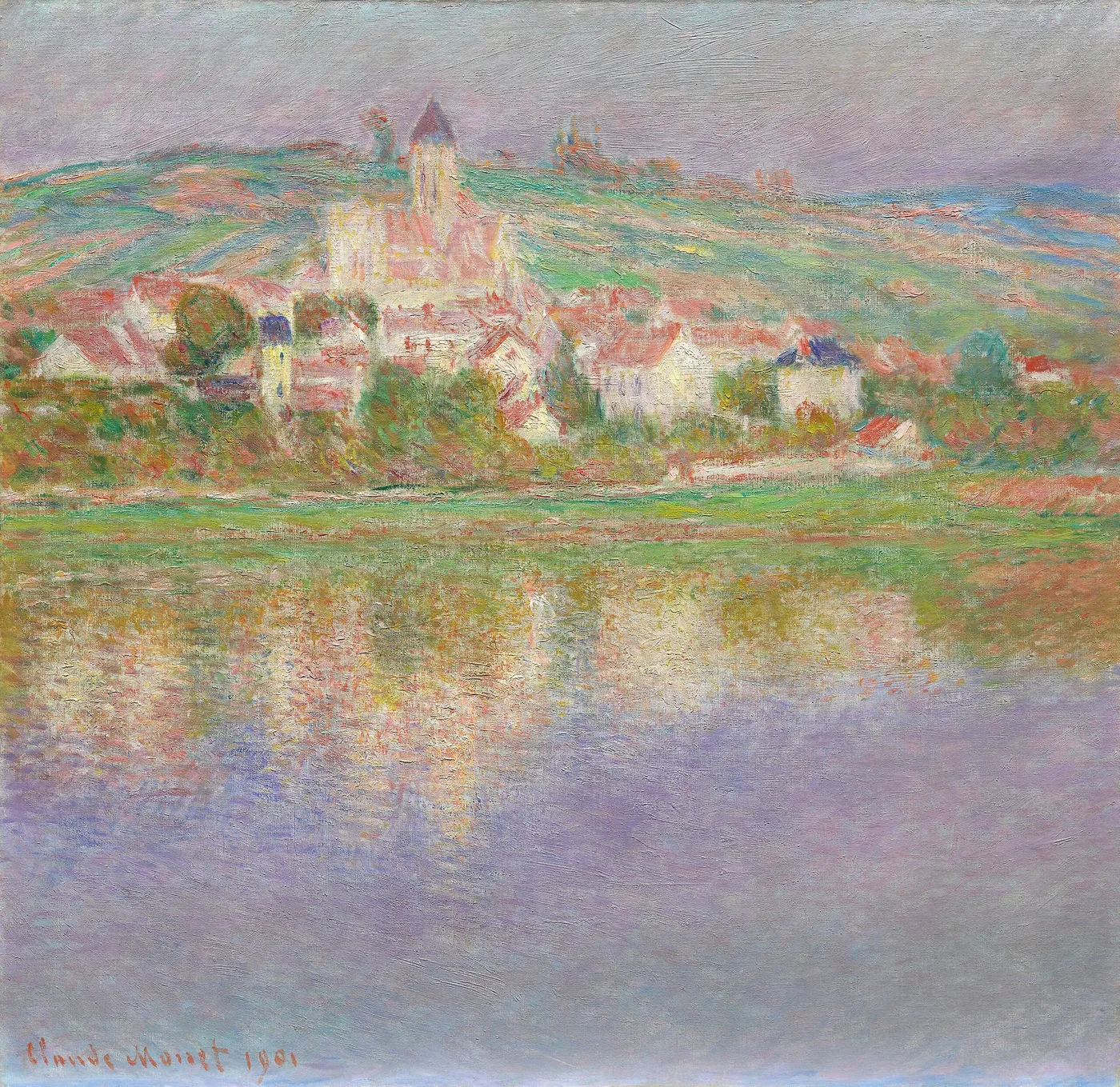
Vétheuil
1901

Water Lilies
1906

Water Lilies
1906
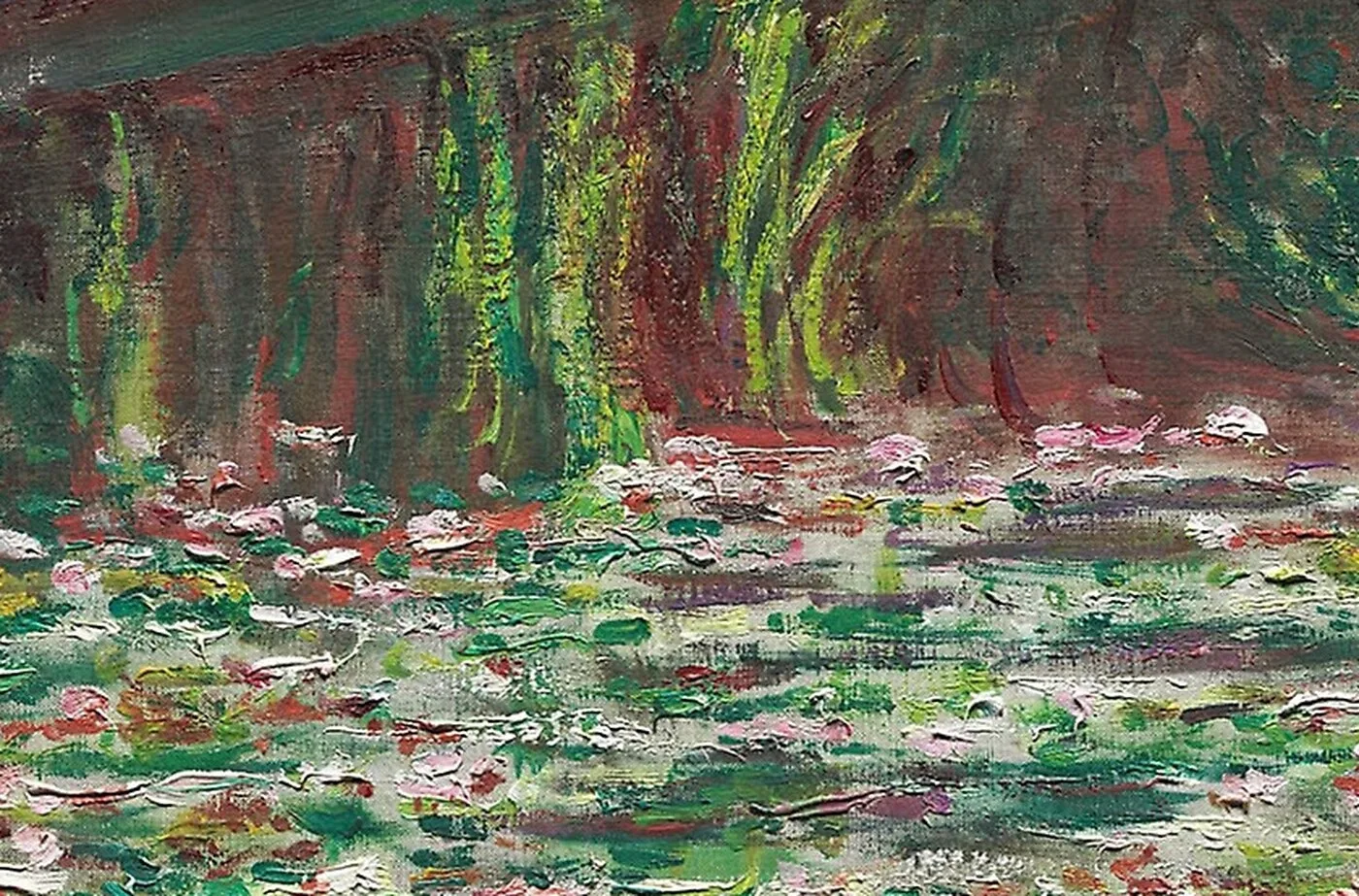
Water Lily Pond
1900
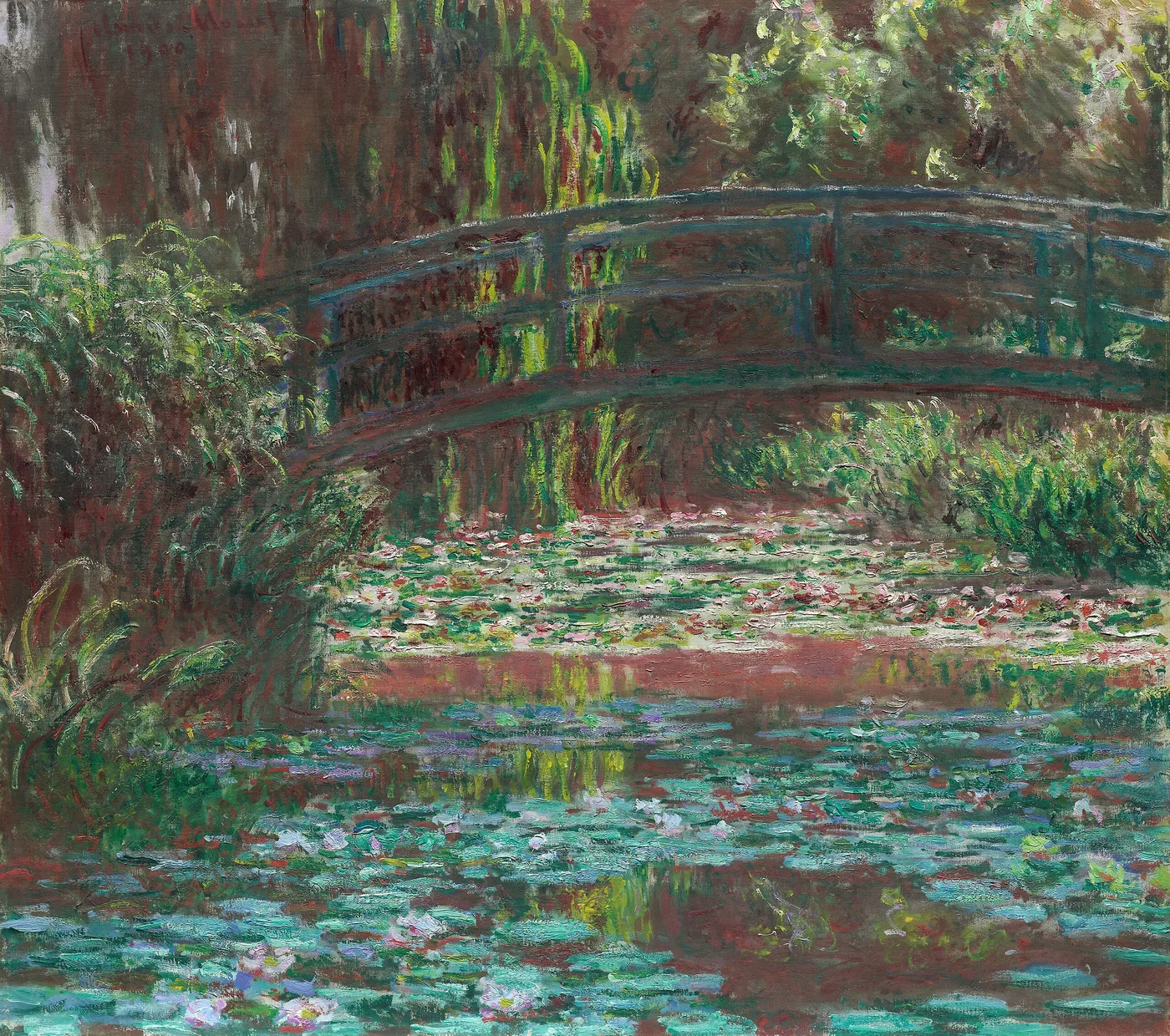
Water Lily Pond
1900
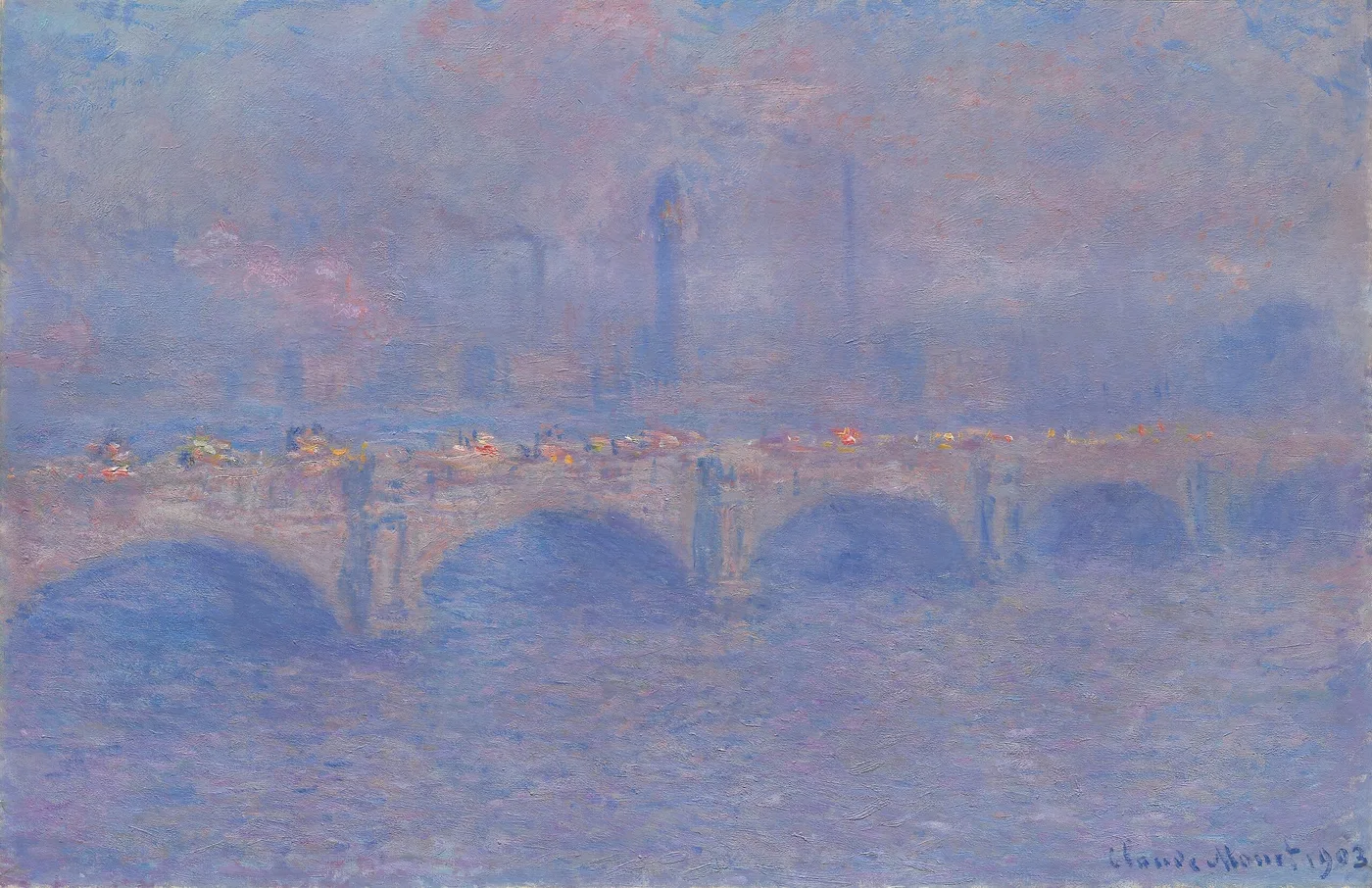
These paintings share a particular quality of light: broad, open and slightly cool, even in the warmest of the wheatstacks. That makes them forgiving on a wall, because they do not fight an existing colour scheme so much as adjust the temperature of the room. The stack and cathedral canvases are natural candidates for a pair or a set of three, hung close together so the eye reads the change between them. The station pictures bring a grey-blue industrial edge that works well in a study or a city apartment. When you are ready, compare sizes and finishes.
Official collection: Art Institute of Chicago