
Trees & Forests Collection: Claude Monet Oil Painting Reproductions
Showing 17–28 of 28 results
-
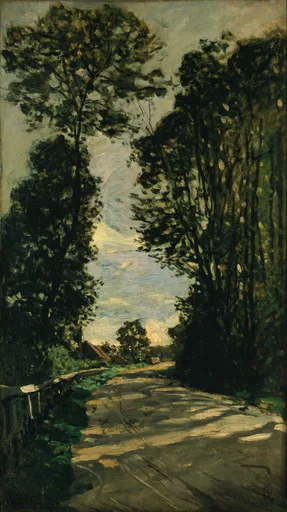
Walk
From $109 -
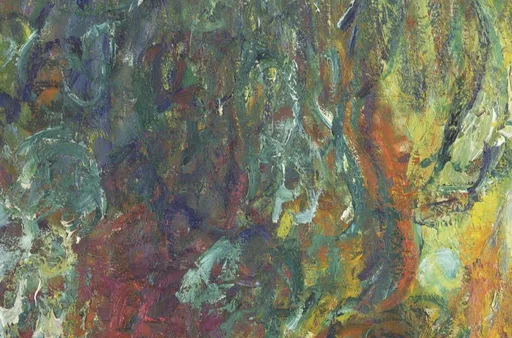
Weeping Willow
From $109 -
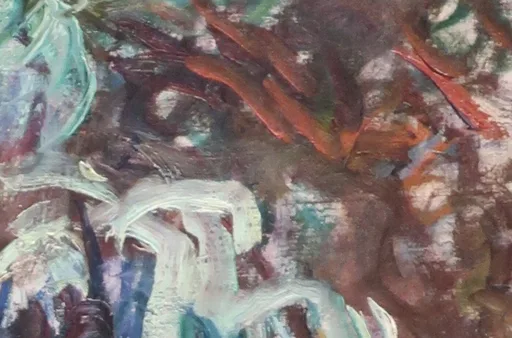
weeping willow
From $109 -
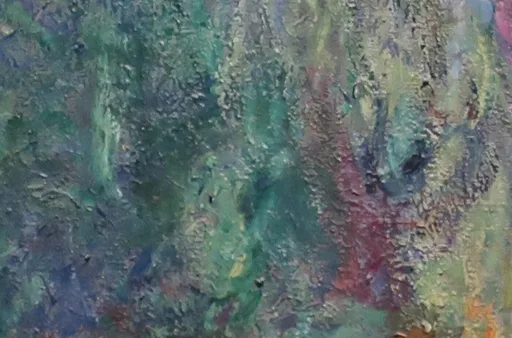
Weeping Willow
From $109 -
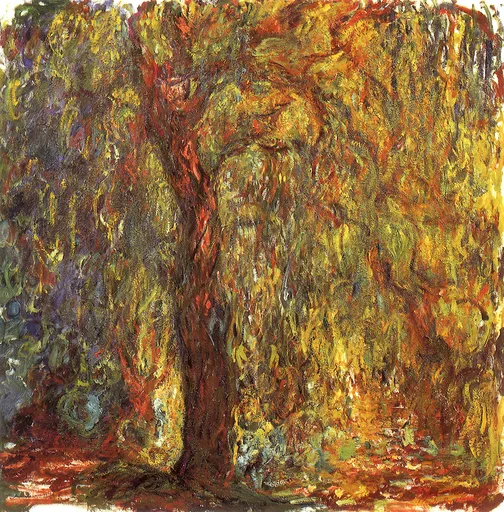
Weeping Willow
From $109 -
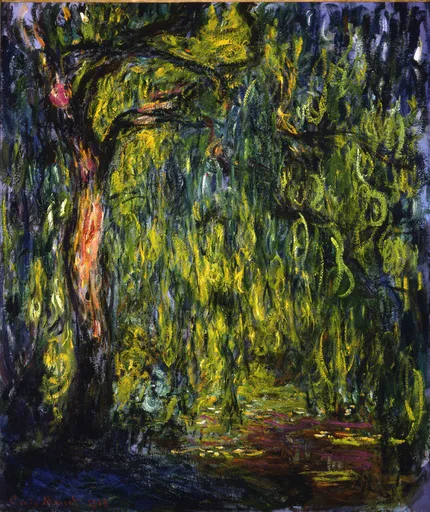
Weeping Willow
From $109 -
Weeping Willow
From $109 -
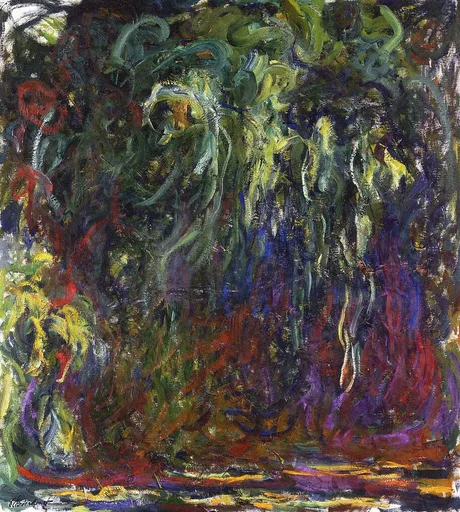
Weeping Willow
From $109 -
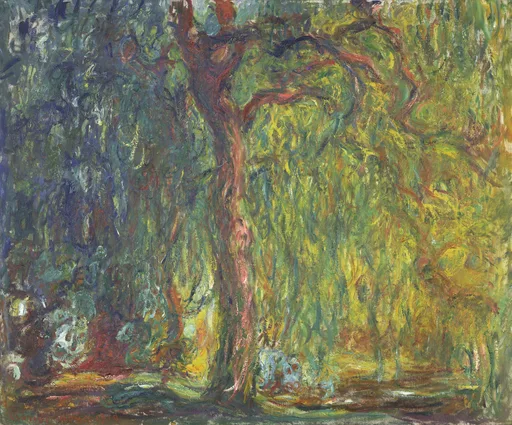
Weeping Willow
From $109 -
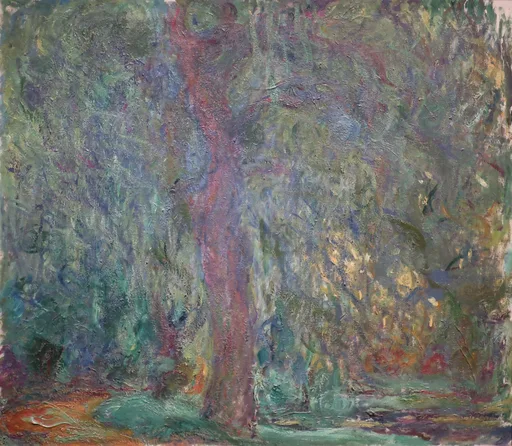
Weeping Willow
From $109 -
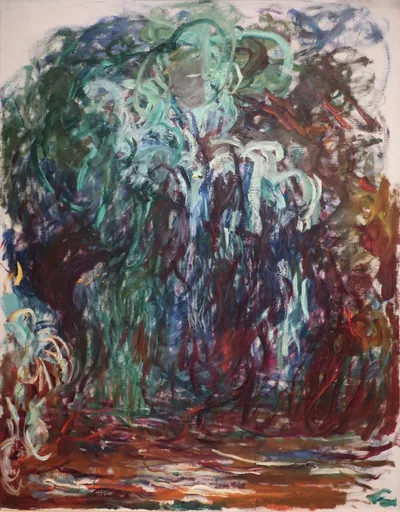
weeping willow
From $109 -
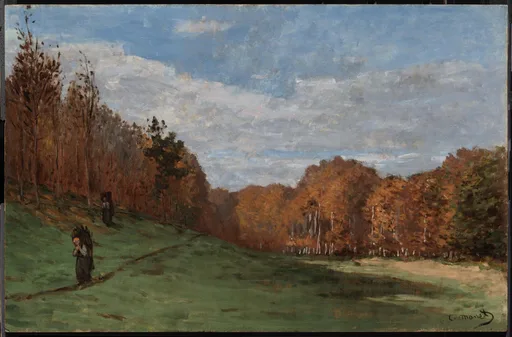
Woodgatherers at the Edge of the Forest
From $109
Twenty-one paintings of trees: the oaks and beeches of the Fontainebleau forest that Monet worked among as a young and largely unknown painter in the mid-1860s, and the willows, chestnuts and avenues he came back to for the rest of his life.
Fontainebleau, and what a tree is for
In the middle of the 1860s Monet spent long stretches in the forest of Fontainebleau, around the village of Chailly, in the country the Barbizon painters had made their own. He was in his twenties, unsold and often short of money, and he was learning the hardest lesson in landscape painting: how to handle a mass of foliage without turning it into a green blur. The best known survivor of those campaigns is the study of the great oak known as the Bodmer oak, painted in 1865, where the trunk is drawn with real structural conviction and the leaves are dissolved into light.
Trees kept their hold on him. He used a row or an avenue to organise a picture, letting trunks divide the canvas into vertical bands, and used a single spreading tree to hold the top of a composition down. In the later work at Giverny the willows are barely described at all: they become curtains of green and violet strokes hanging in front of the water, one of the points at which his landscape painting comes closest to pure colour.
Hand-painted oil reproductions, made to order
Every picture here is available as a hand-painted oil reproduction, brushed in real oils on artist-grade cotton canvas by a senior studio painter and never printed, or as a lower-priced archival canvas print. Choose your size and orientation, then finish it rolled, stretched, or framed in a thin or thick moulding. Each is made to order and hand inspected, with free worldwide shipping and a 30-day return guarantee.
Which room this collection suits
Forest pictures are the darkest group in the Monet catalogue, deep greens, umbers and shadowed blues, and they need light to give of their best. A wall that gets real daylight, or a picture light above them, will bring out colour that otherwise sinks into brown. They look particularly good on warm neutrals, sage and mid-tone walls rather than brilliant white, which can make the canvas look like a hole. Studies, libraries, dining rooms and panelled hallways all suit them; a very dim corridor does not.
Frequently asked questions
What is the Bodmer oak?
A famous old oak in the Fontainebleau forest, known by the name of the painter Karl Bodmer, who had painted it before Monet did. Monet's 1865 canvas of it is one of the strongest works from his early forest campaigns.
Do dark paintings work in a bright room?
Very well. Strong daylight opens up the shadow colour rather than washing it out, and these canvases can take direct light better than the high-key seaside pictures. Avoid hanging any canvas in prolonged direct sun, but a bright room is an advantage here.
Hand-painted oil or archival print?
Foliage is built from hundreds of short overlapping strokes, and a hand-painted oil in real oils keeps that texture, which is what stops a mass of leaves reading as flat. The archival canvas print is a good lower-priced option for smaller sizes or secondary rooms.
What scale should I aim for?
Forest interiors have a lot of information in them and generally want a canvas of at least sixty to eighty centimetres on the long side. Below that the detail compresses. Measured guidance for common wall sizes is in the size guide.