
The Sea & the Coast Collection: Claude Monet Oil Painting Reproductions
Showing 33–47 of 47 results
-
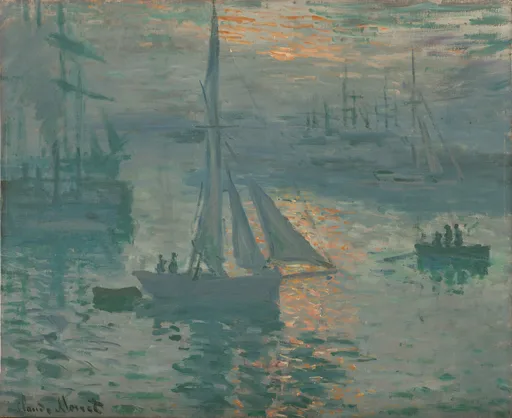
Sunrise (Marine)
From $109 -
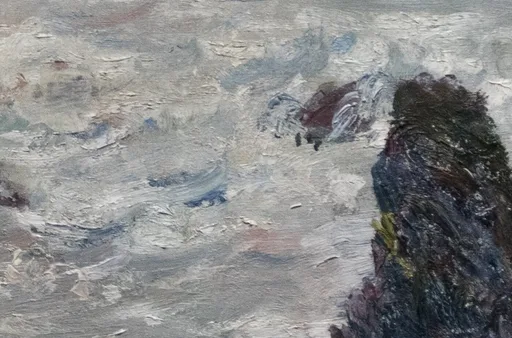
Tempête, côtes de Belle-Ile
From $109 -
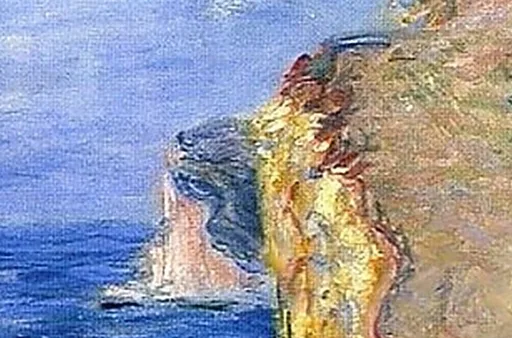
The Cliff at Fécamp
From $109 -
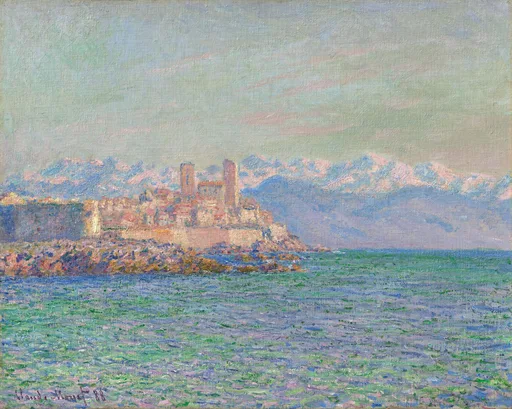
The Fort of Antibes
From $109 -
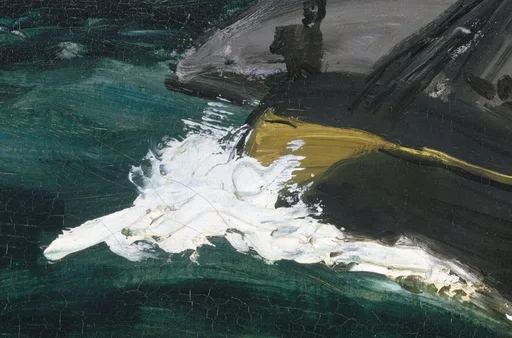
The Green Wave
From $109 -
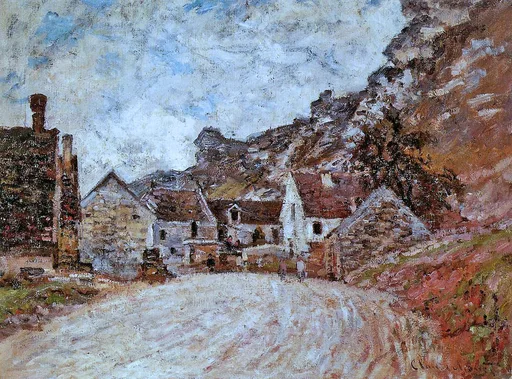
The Hamlet of Chantemesle at the Foot of the Cliff
From $109 -
The Mediterranean (Cap d’Antibes)
From $109 -
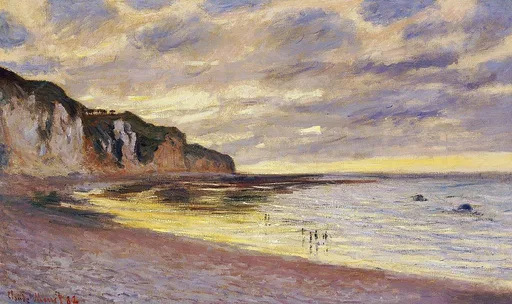
The Pointe de l’Ailly, low tide
From $109 -
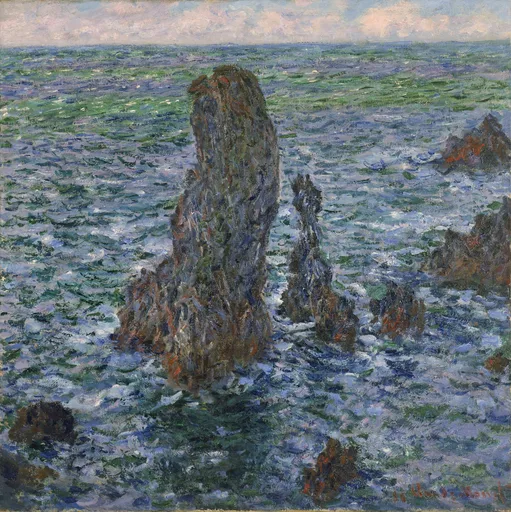
The Port Coton „Pyramids“
From $109 -
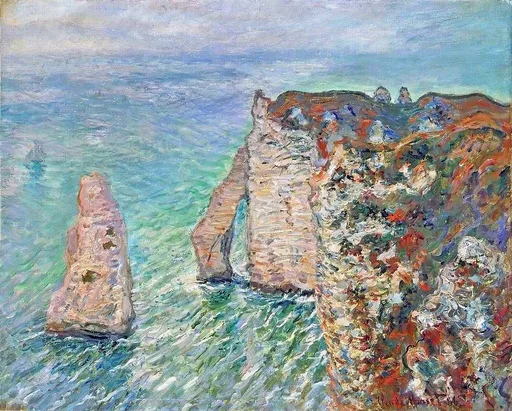
The Rock Needle and the Porte d’Aval
From $109 -
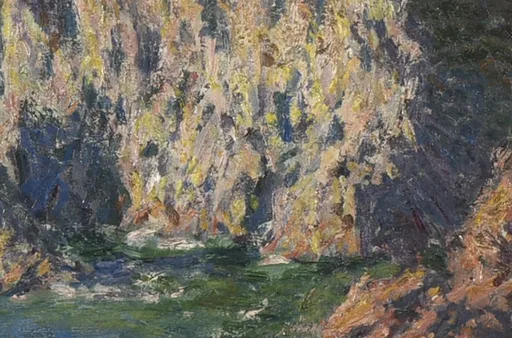
The Rocks of Belle-Ile
From $109 -
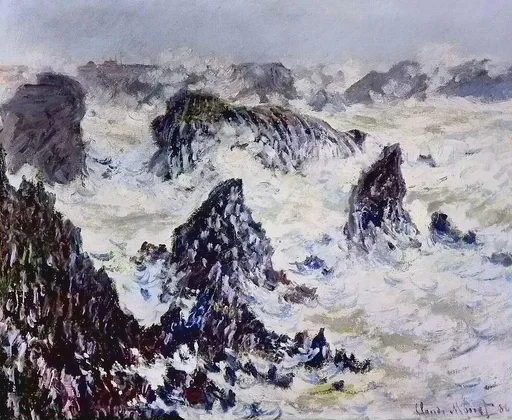
The Rocks of Belle-Île
From $109 -
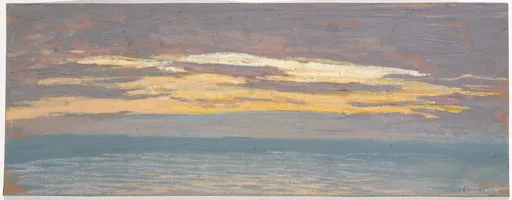
View of the Sea at Sunset
From $109 -
Woman Seated on a Bench
From $109 -
Woman Seated under the Willows
From $109
Away from the beaches and the resorts, Monet painted a harder coastline: bare rock, deep water and weather. These forty works are the open marine subjects, above all the 1886 campaign on Belle-Ile off the Brittany coast, where he worked in wind and rain on cliffs that fall straight into the Atlantic.
The wild coast, 1886
Monet went to Belle-Ile in the autumn of 1886 and stayed for around two months, far longer than he intended. The island's southern shore is a run of black rock stacks and inlets, Port-Goulphar and Port-Domois among them, with no beach and no shelter. He described the sea there as terrible, and he painted it accordingly: dark, glassy green shot with violet, breaking white against rock that he built up in dense, dragged strokes.
What is striking is the absence of comfort. There are no figures, no boats to give scale, no picturesque framing device. The pictures are about mass and force, and about how a colour changes when a cloud passes. It is the same investigation as the garden paintings conducted under opposite conditions, and it produced some of the most physically painted canvases of his career.
Hand-painted oil reproductions, made to order
Every marine subject here can be ordered as a hand-painted oil reproduction, brushed in genuine oils on artist-grade cotton canvas by a senior studio painter and never printed, or as a lower-priced archival canvas print. Choose the size and the orientation, then the finish: rolled, stretched and ready to hang, or framed in a thin or a thick moulding. Everything is made to order and hand inspected, with free worldwide shipping and a 30-day return guarantee.
Which room this collection suits
Dark, saturated and physical. These canvases want space and they want scale; hung small they lose the weight that is their whole point. They are excellent above a long sofa, on a double-height wall, or as the single picture in a room with a restrained palette. Because the tones are deep, they hold their own against strong wall colours, charcoal, ink blue, oxblood, in a way most Impressionist work does not, and they also look well against plain white in a modern interior. They need light. In a dim corner the dark passages close up, so allow good daylight or fit a picture light.
Frequently asked questions
Where is Belle-Ile?
An island off the southern coast of Brittany. Monet worked there in the autumn of 1886, mostly on the exposed rocky shore known as the Cote Sauvage, including the inlets of Port-Goulphar and Port-Domois.
How is this different from the Etretat collection?
Etretat is white chalk and famous arches, and there is usually a beach in the picture. This collection is open sea and dark rock with no human landmarks; it is the rougher, more abstract end of Monet's marine painting.
What size should I order?
Large. A minimum of about 100cm wide for a living room wall, and considerably more if the wall is over three metres. Our size guide gives proportions for each standard room type.
Does the hand-painted oil make a difference on these?
More than on almost any other Monet subject. The rock and the surf are built from thick, layered paint, and a hand-painted oil reproduces that relief physically. A print reproduces the image but not the impasto.