
Monet at Musée d’Orsay
The Musee d’Orsay holds the defining public collection of French Impressionism, and its Monet holdings are the backbone of it. Installed in a converted Beaux-Arts railway station on the Seine, the collection follows Monet from his ambitious early figure paintings of the 1860s through the Argenteuil and Vetheuil years to the serial campaigns that made his late reputation.
A collection built from artists and friends
The Orsay’s Monets came largely from people who knew him or believed in him early. The bequest of the painter Gustave Caillebotte, settled in 1894, brought Impressionist canvases into French national collections at a moment when the state was still reluctant to take them. Later donations from collectors such as Etienne Moreau-Nelaton and Isaac de Camondo widened the holdings considerably, and the paintings were gathered into the Musee d’Orsay when it opened in 1986.
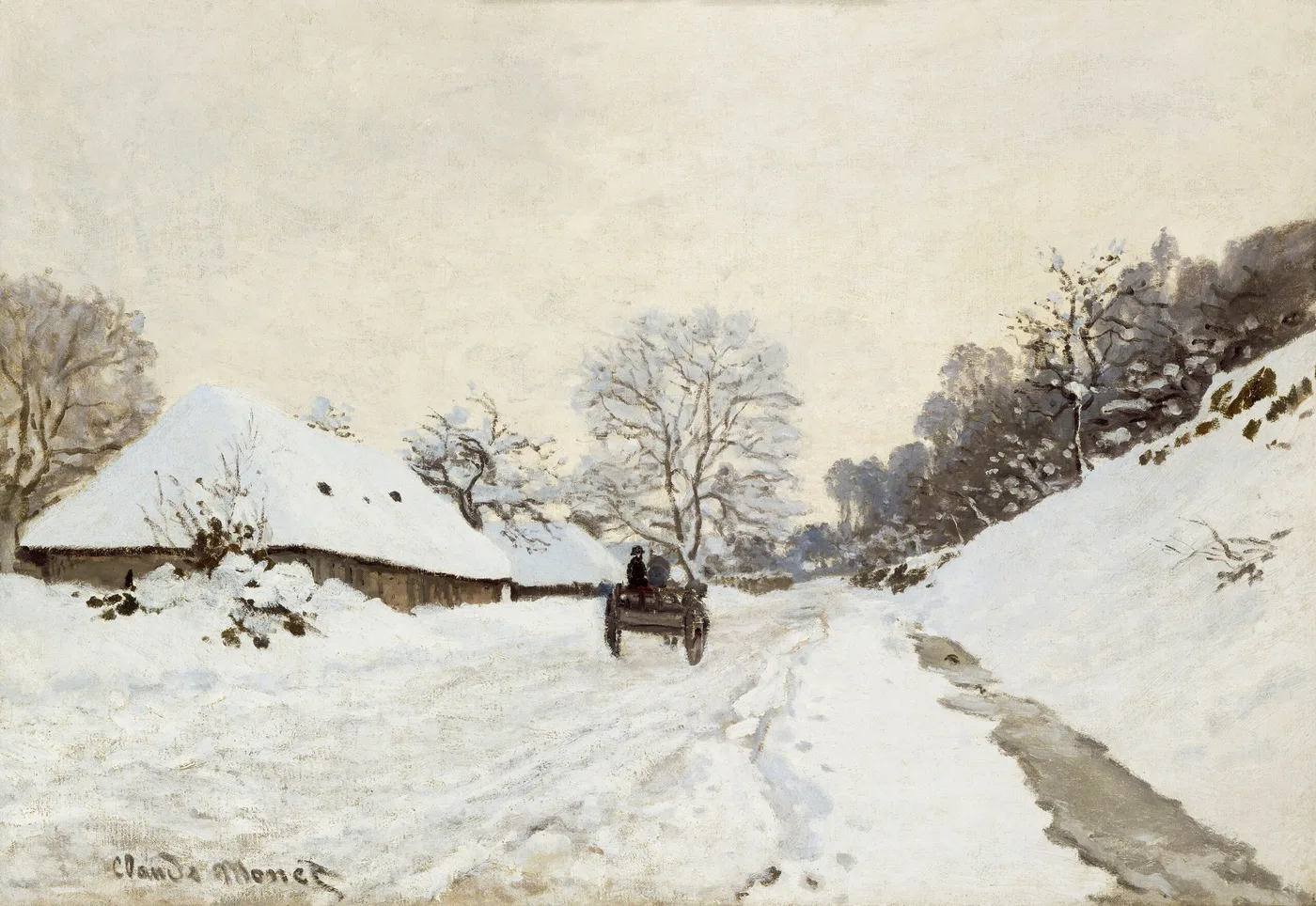
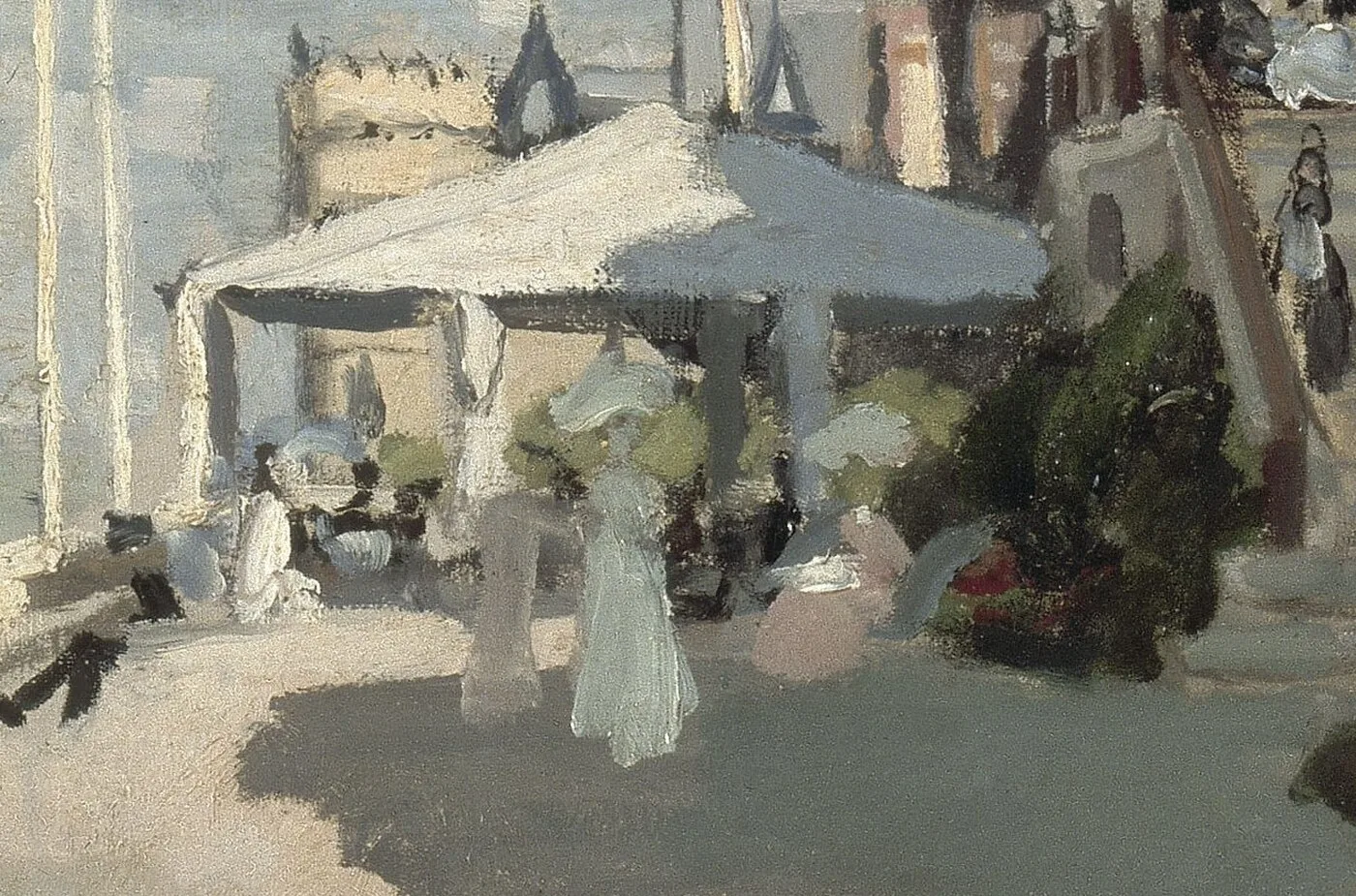
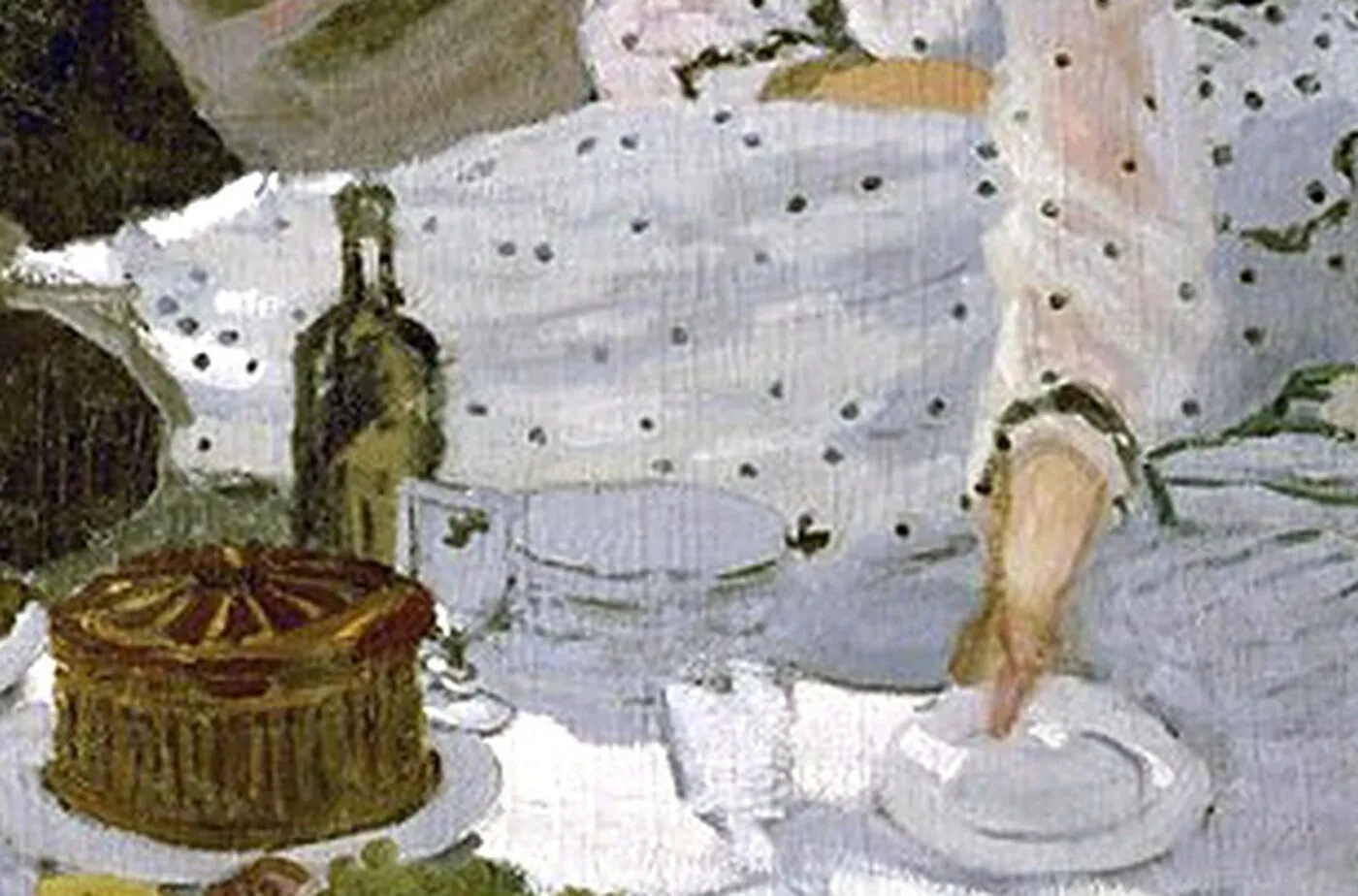
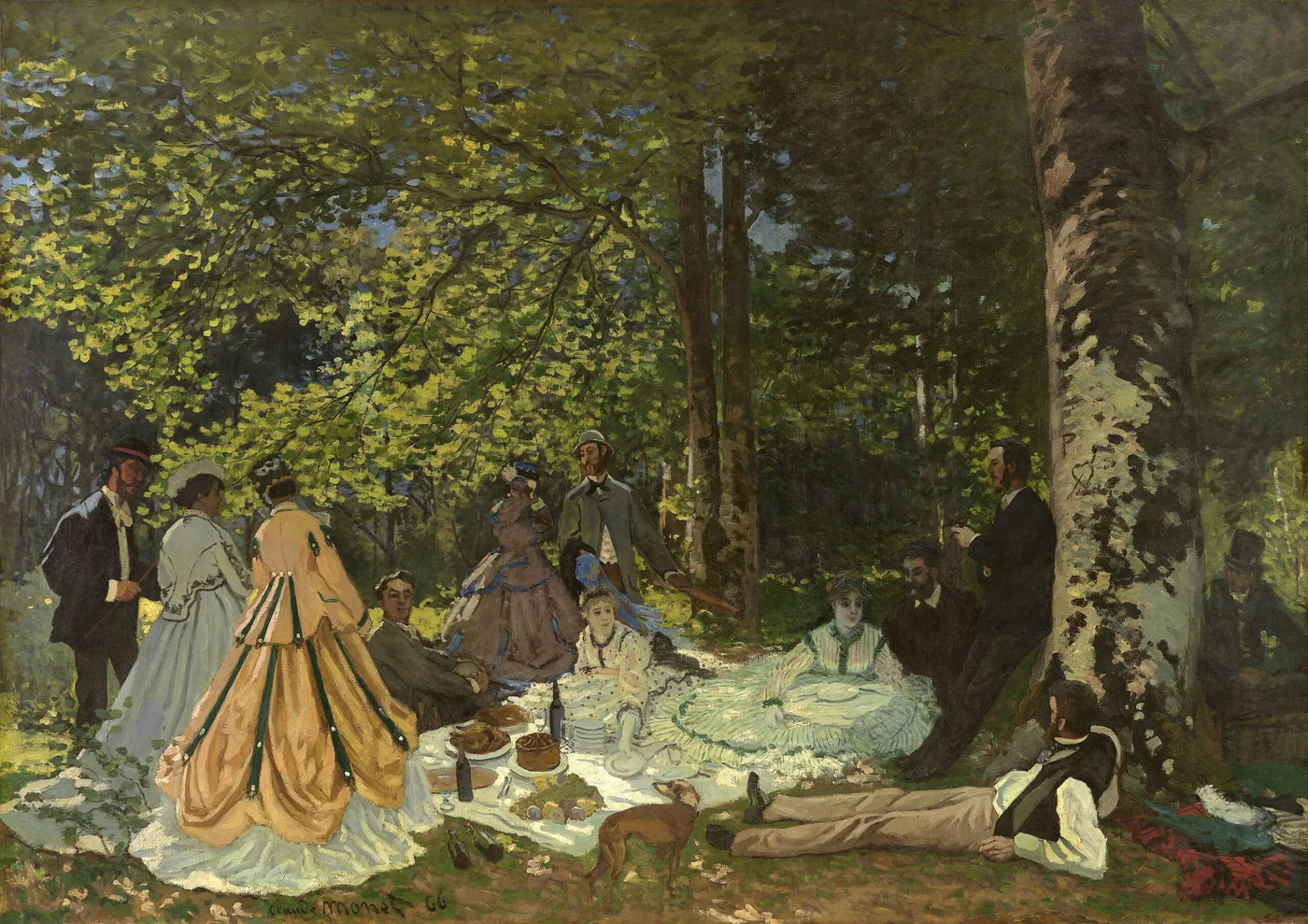
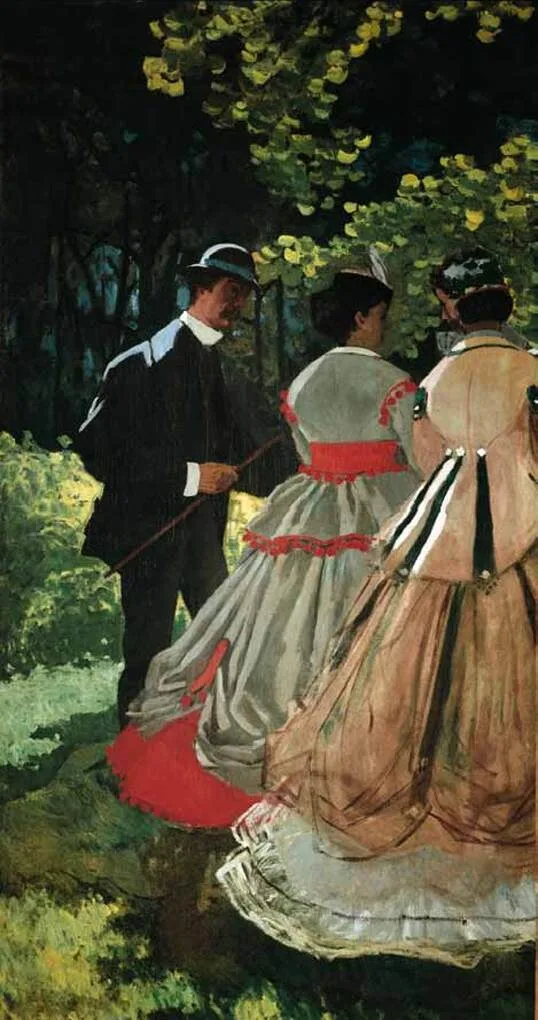
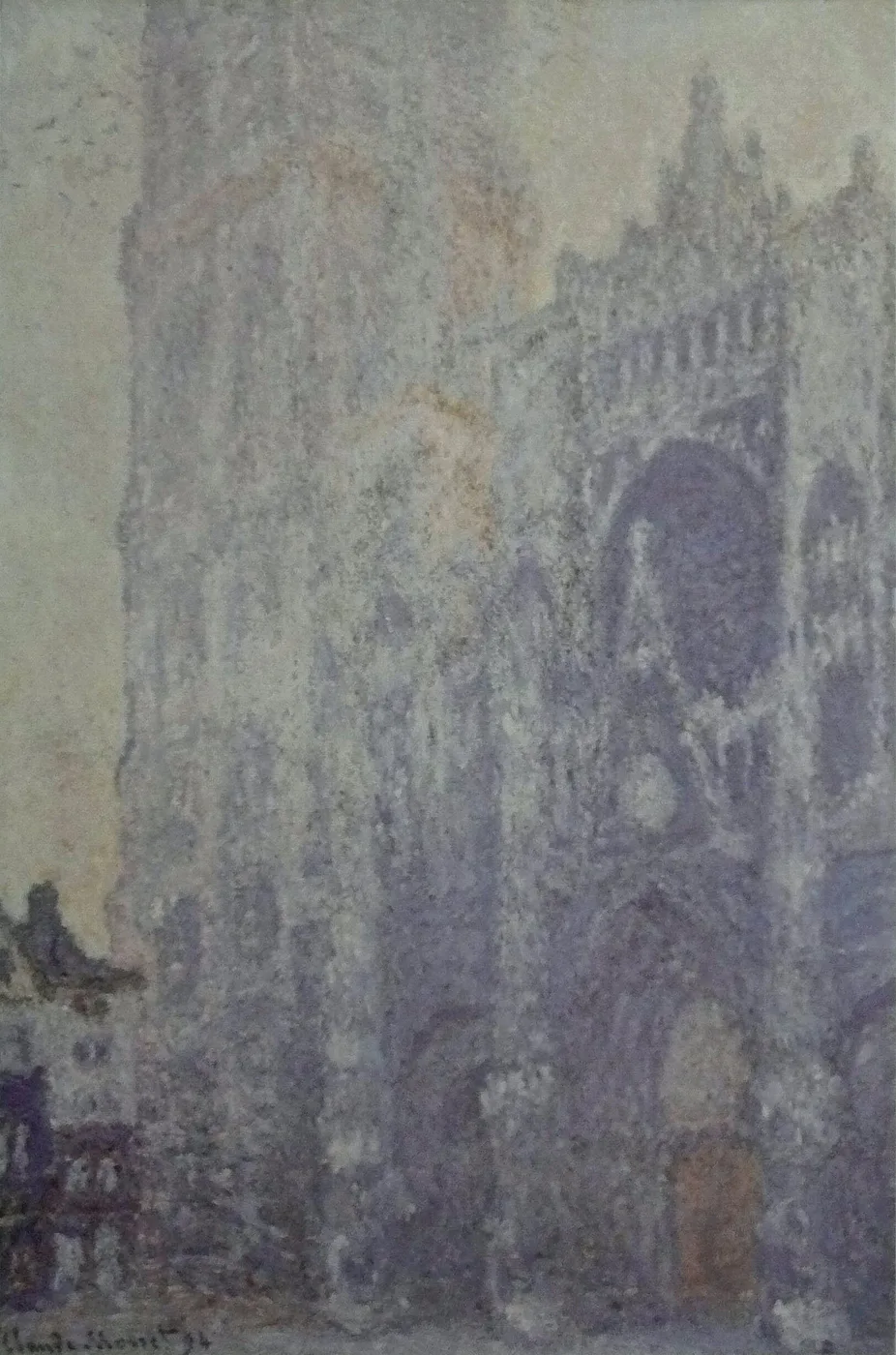
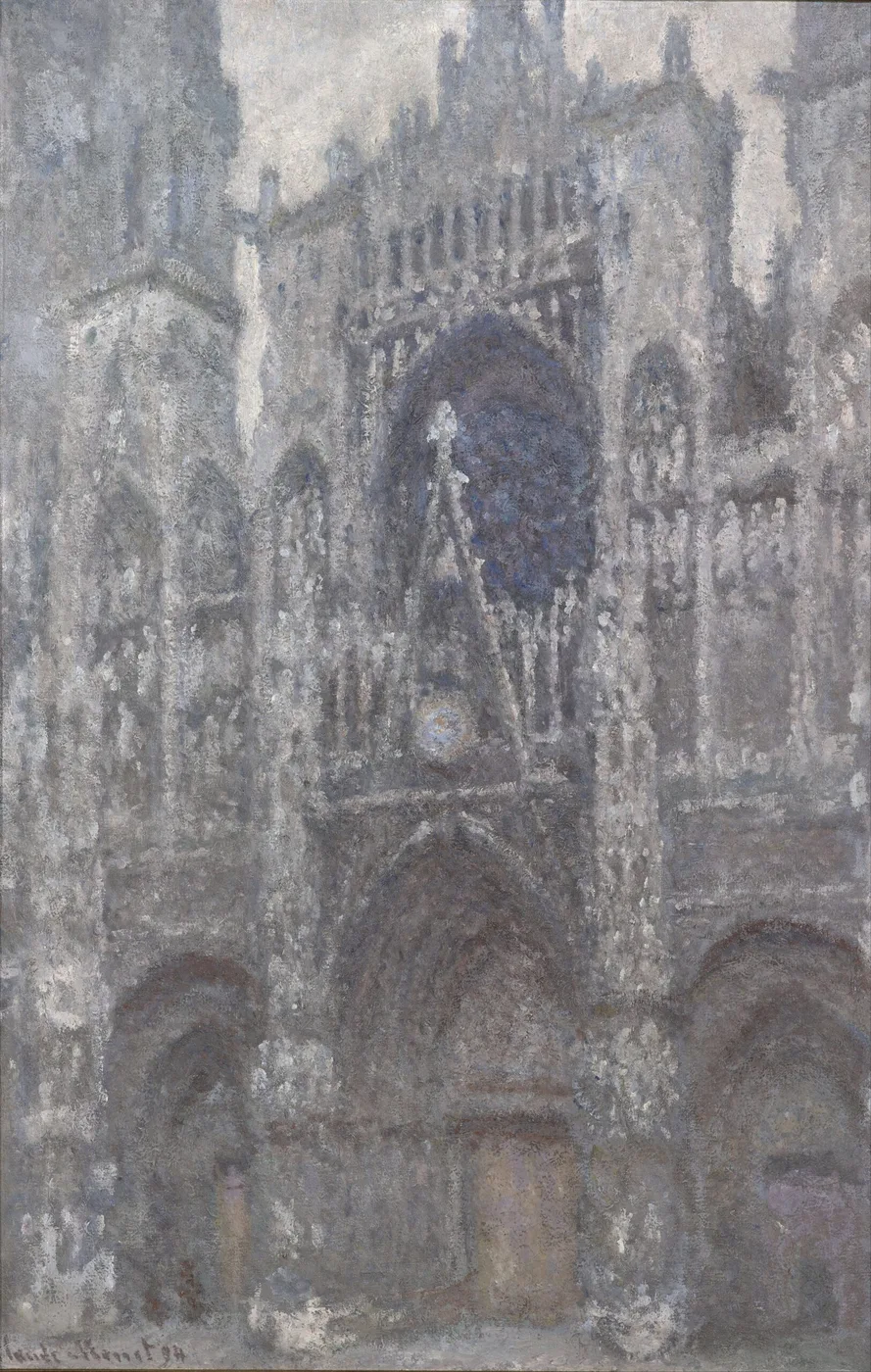
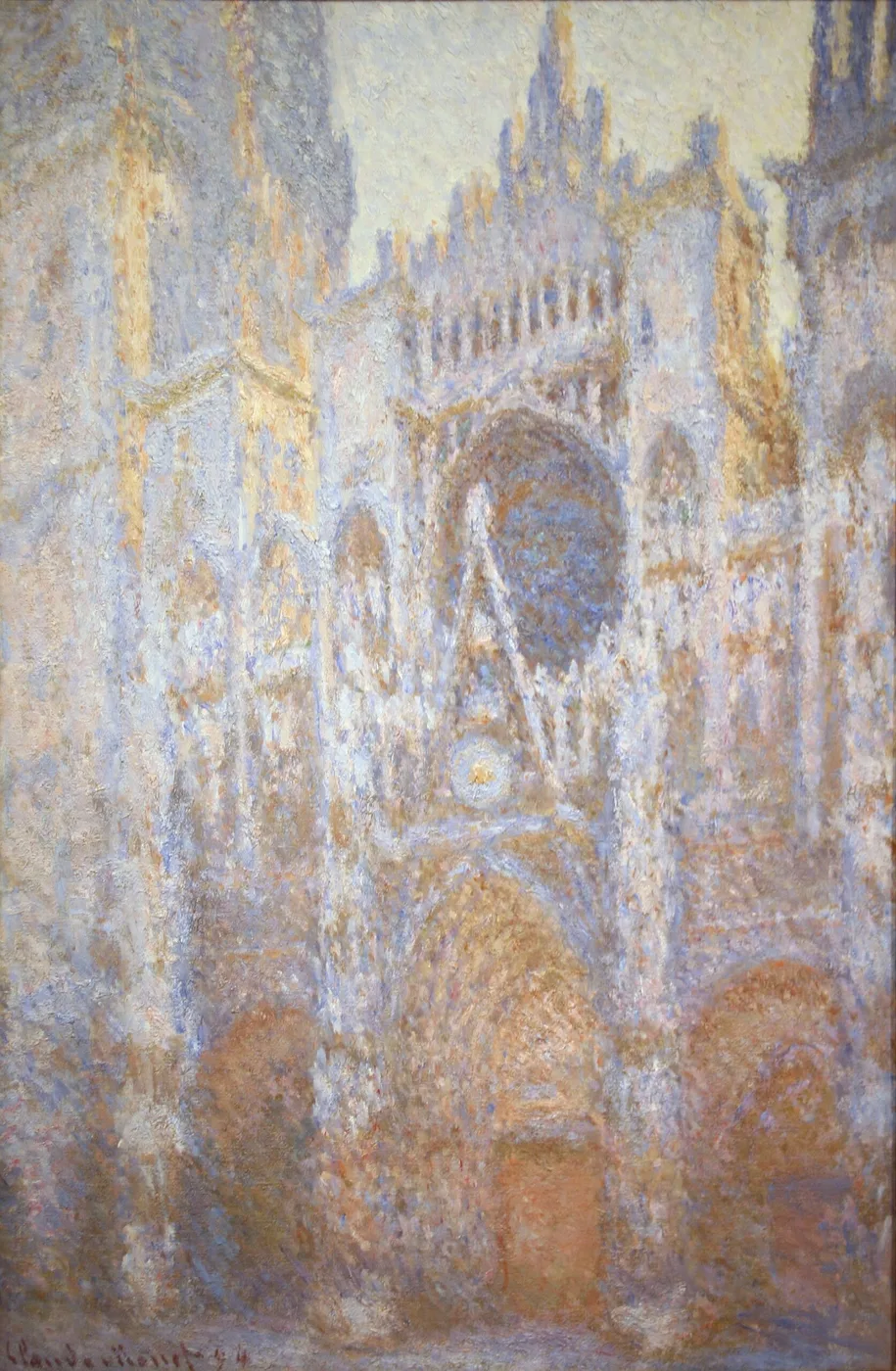
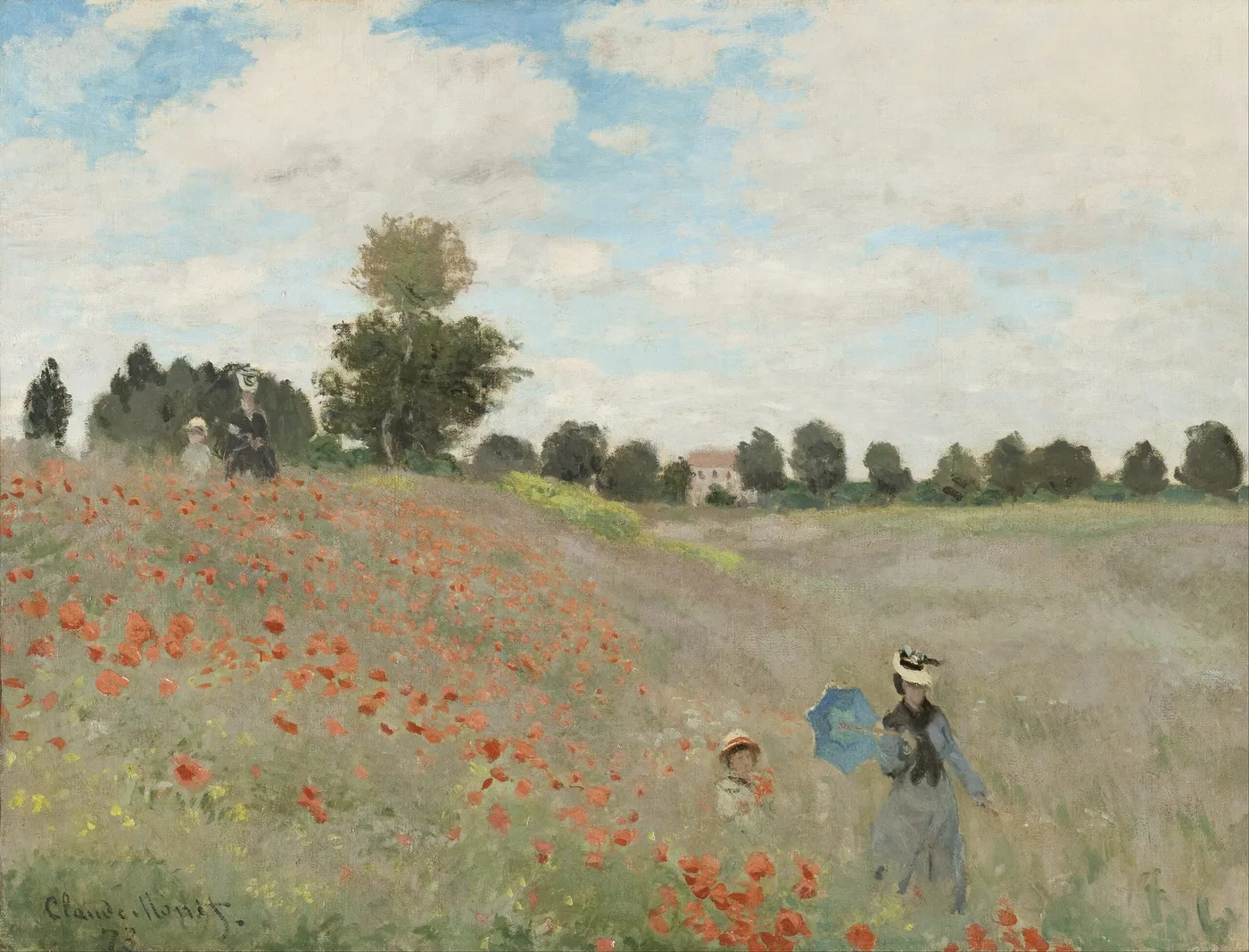
The result is a room-by-room account of how Impressionism actually happened. Visitors find Femmes au jardin, the large open-air figure painting of 1866 that the Salon rejected, the surviving fragments of Monet’s Dejeuner sur l’herbe, the snow-hushed La Pie, the poppy field of Coquelicots, the steam and iron of La Gare Saint-Lazare, and a group of Rouen Cathedral facades that lets you watch a single wall change hour by hour. Any of them can be commissioned as a hand-painted oil reproduction on stretched canvas.
63 Monet works from Musée d’Orsay
Anchored Chasse-marée
1871-1872
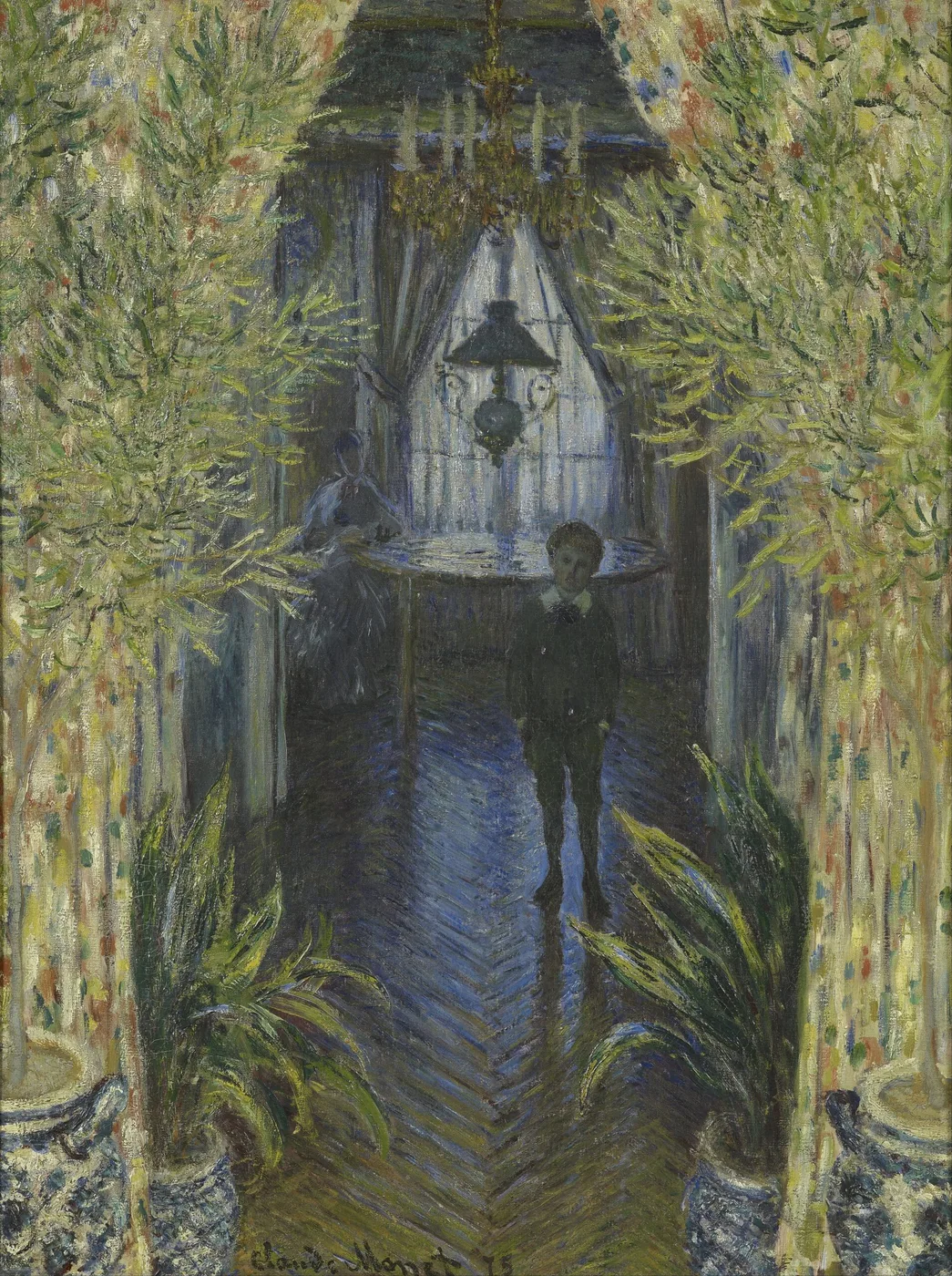
Apartment Corner
1875
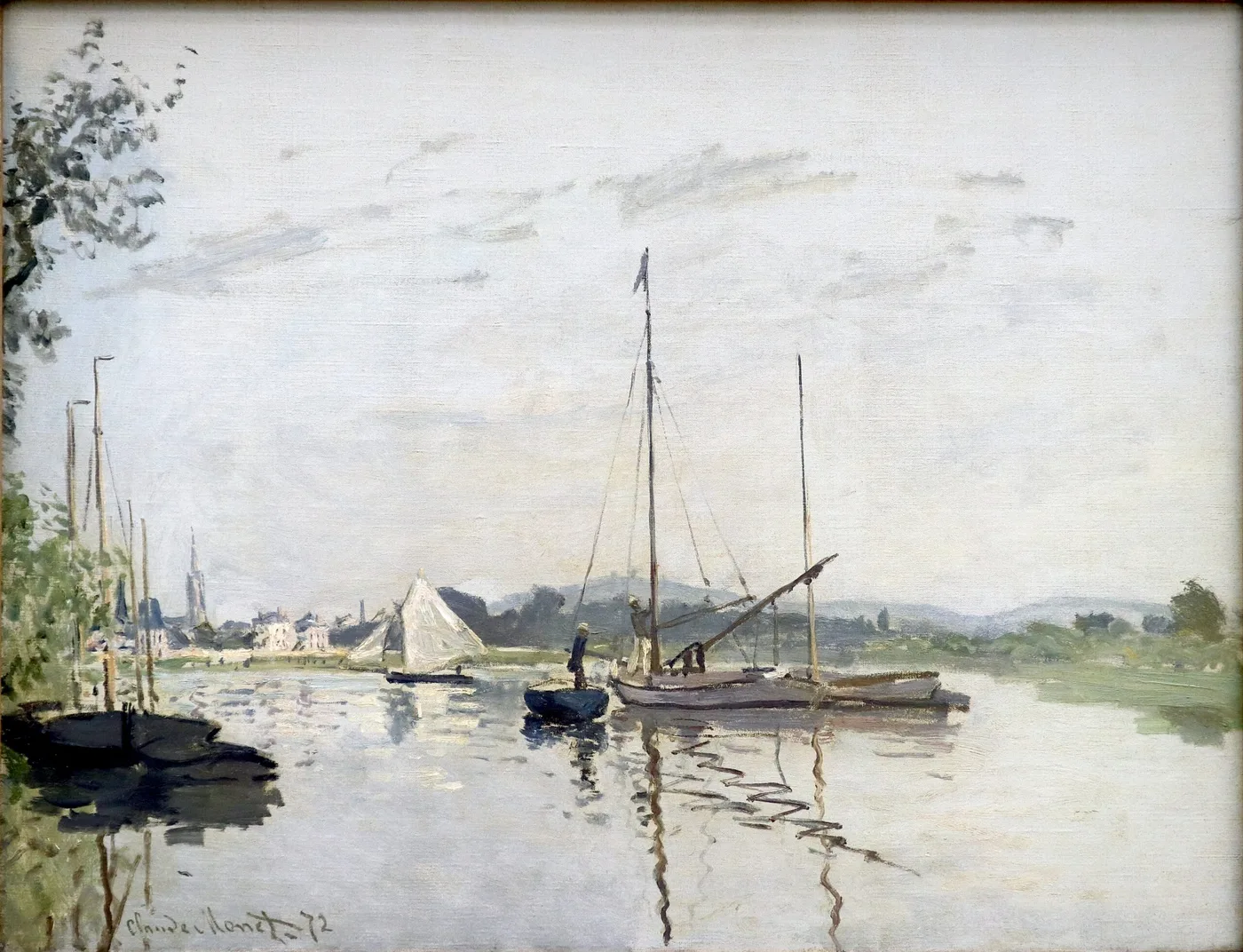
Argenteuil
1872
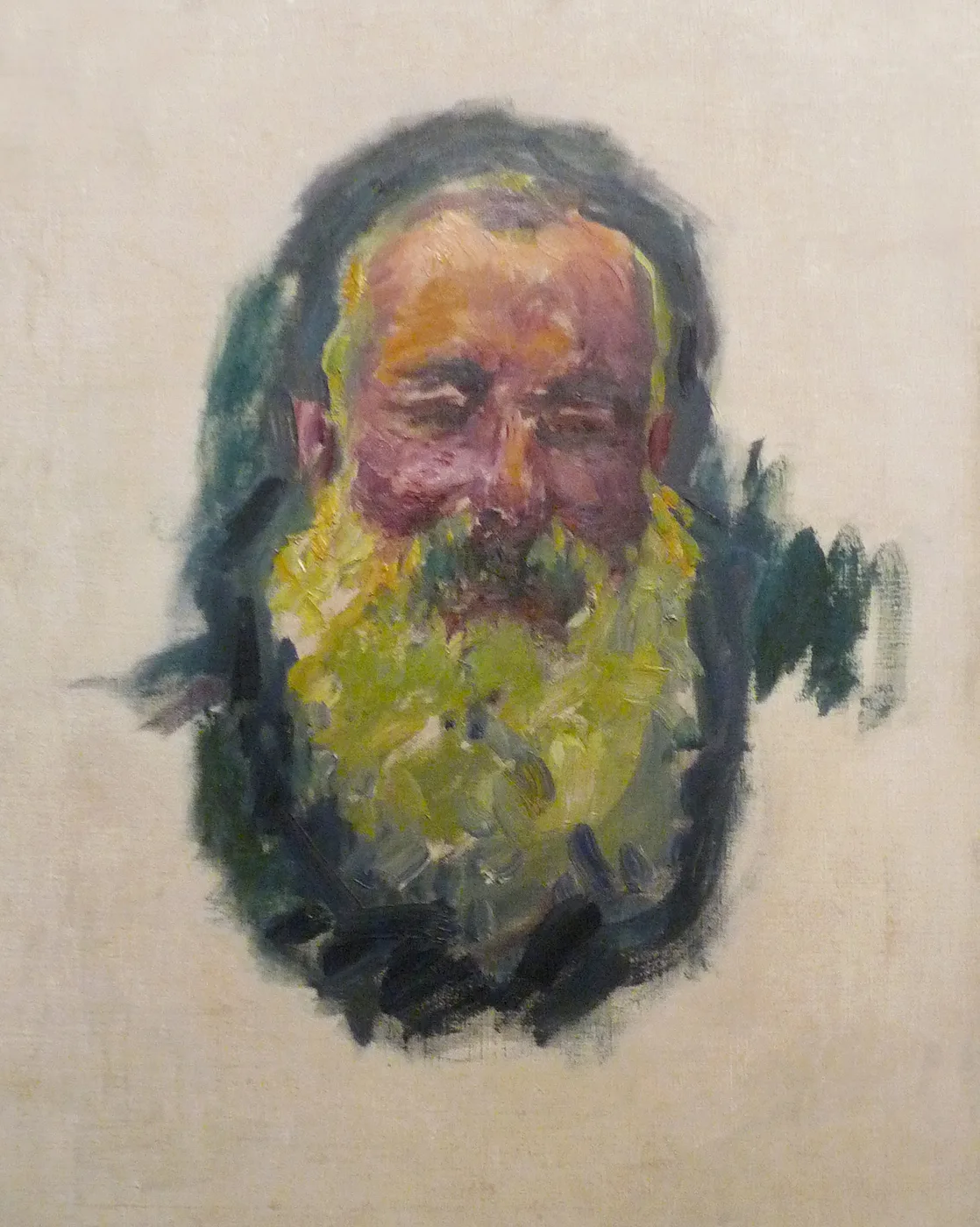
Autoportrait
1917
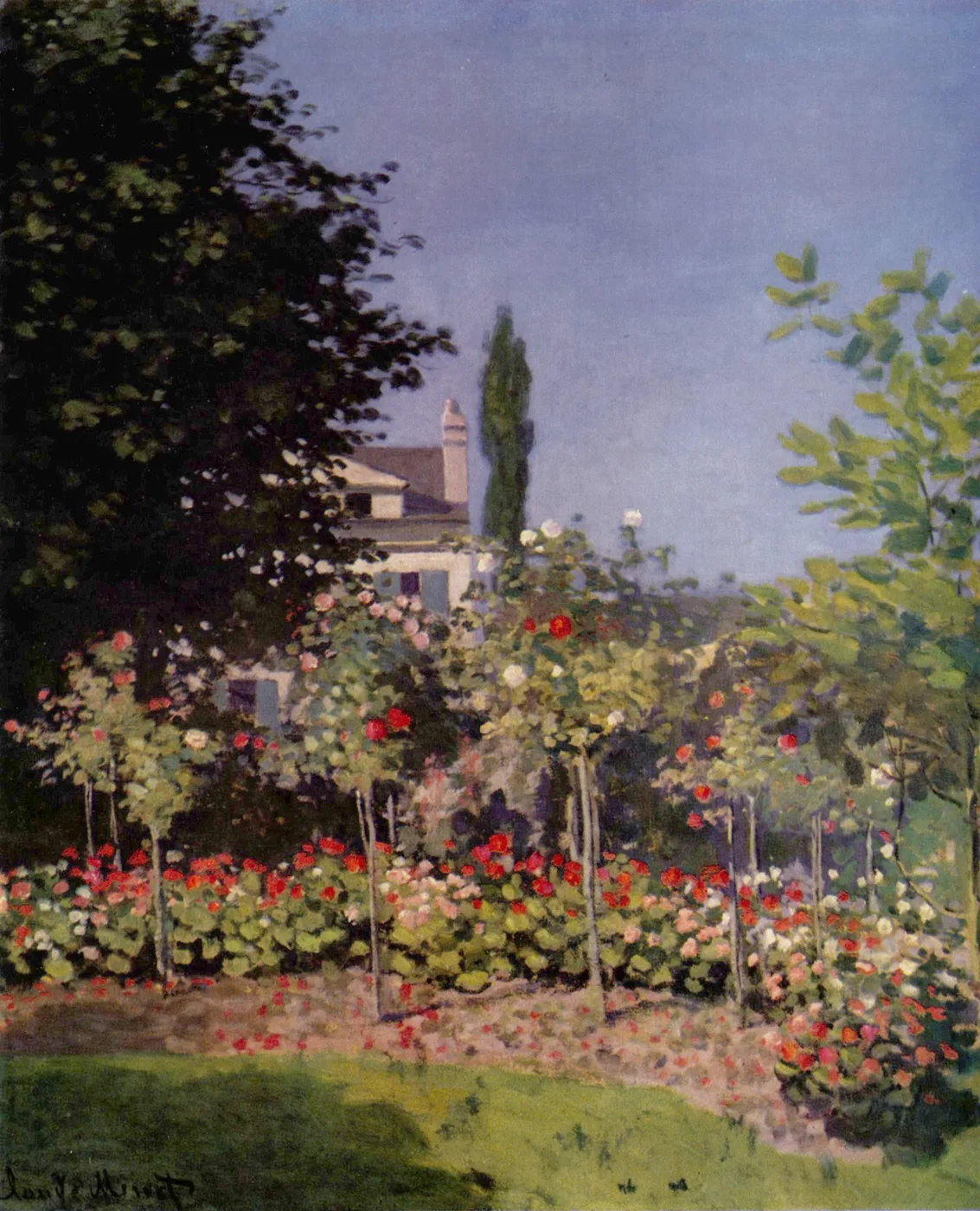
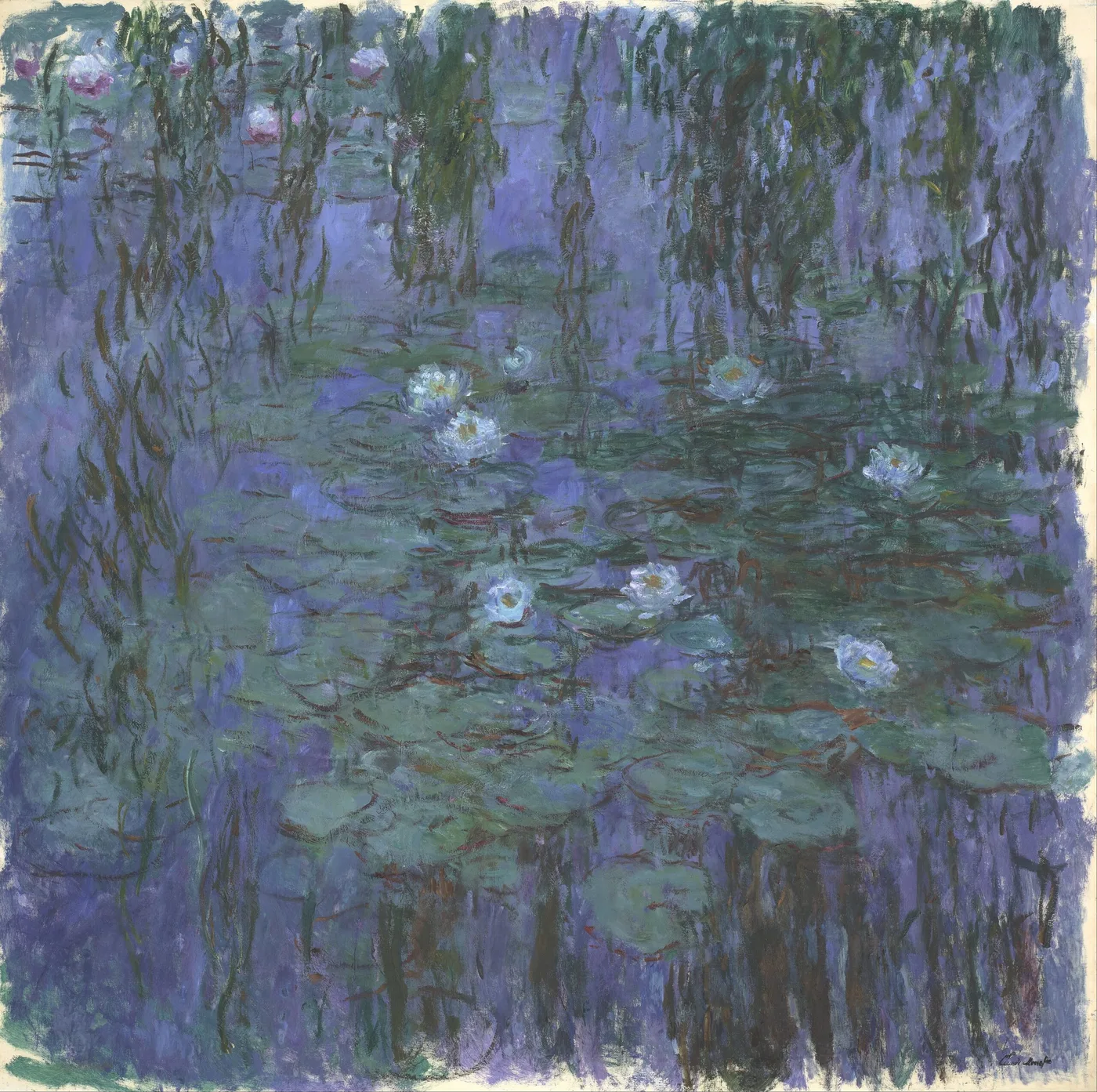
Blue Water Lilies
1916-1919
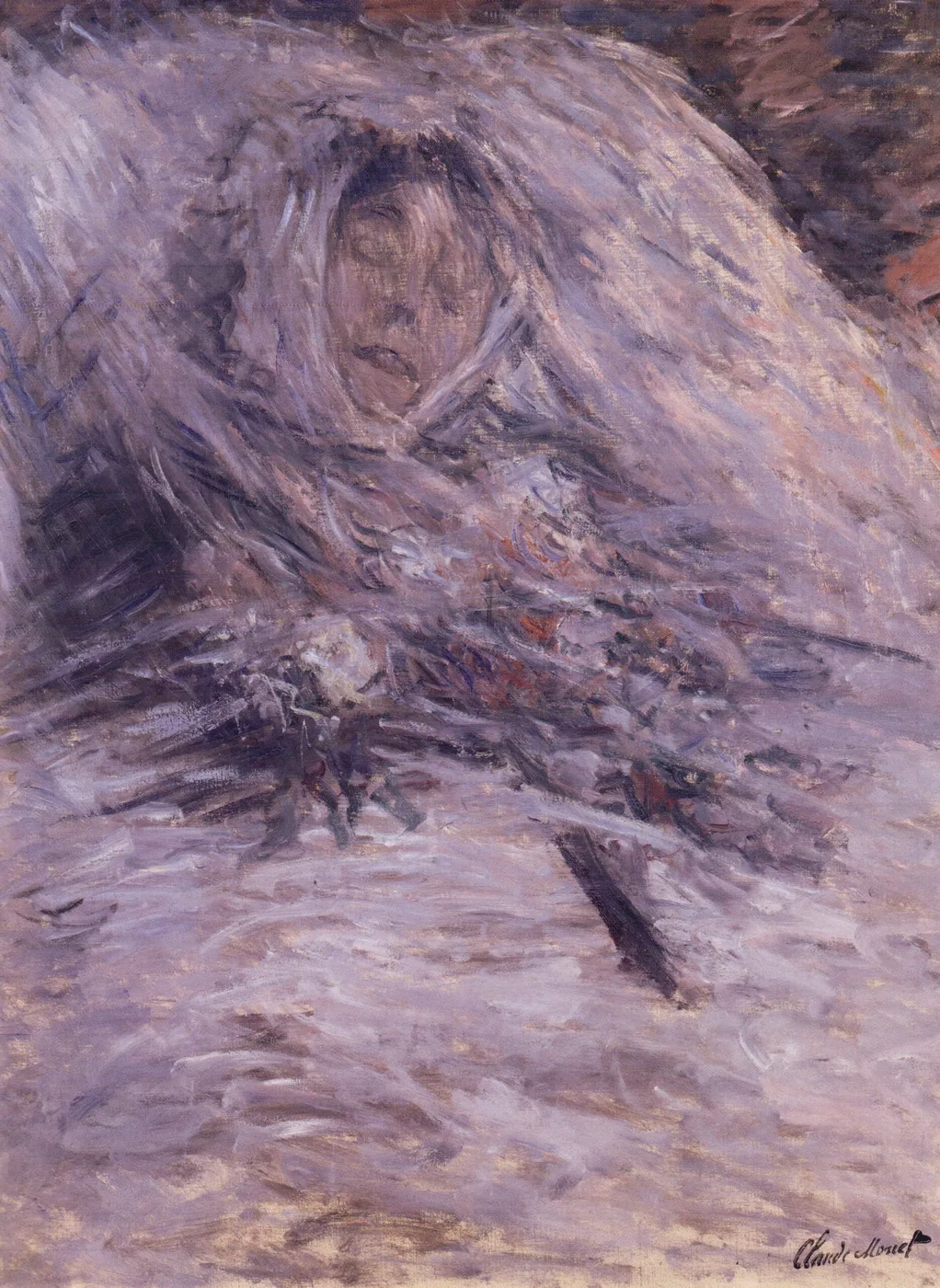
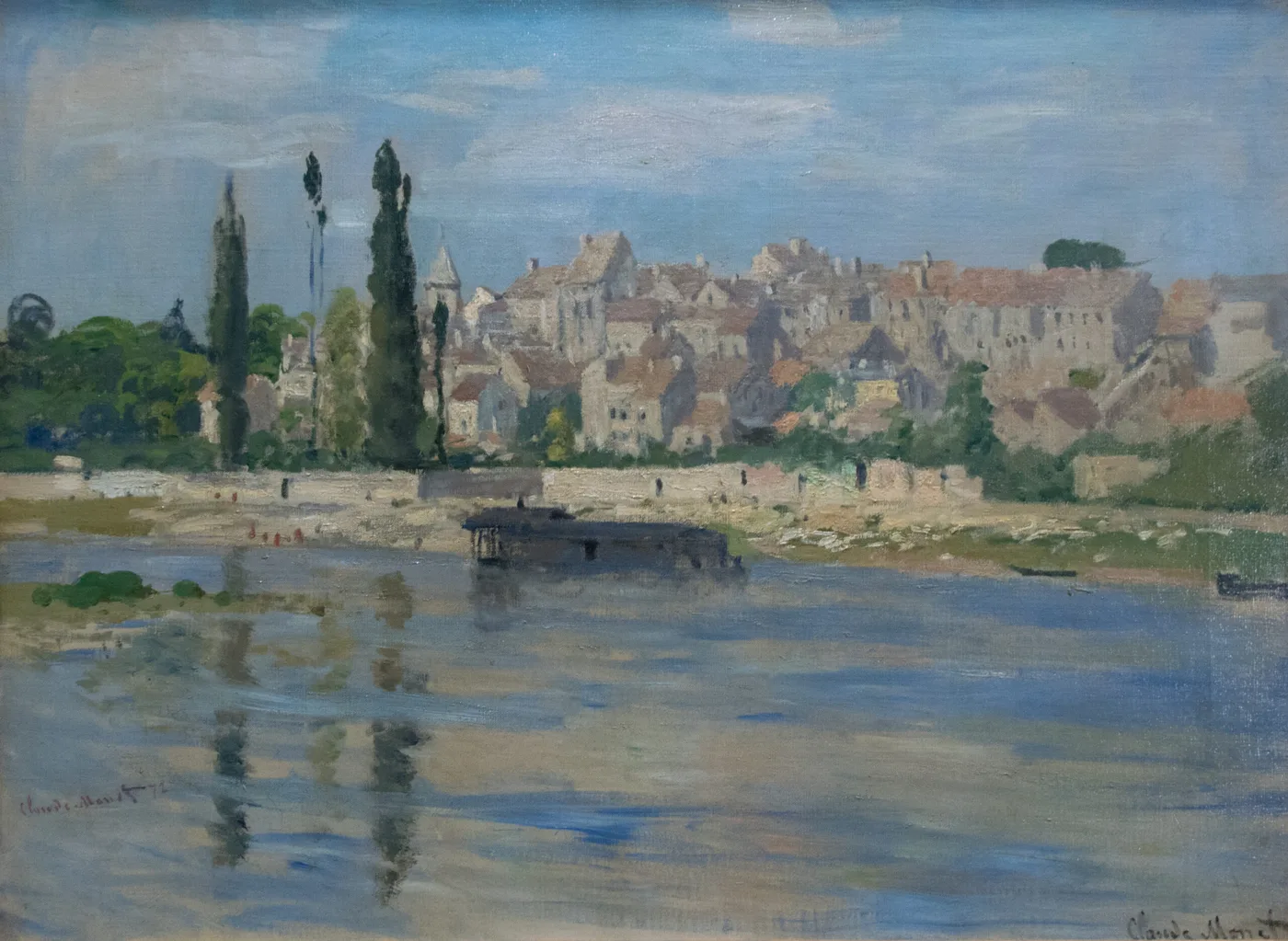
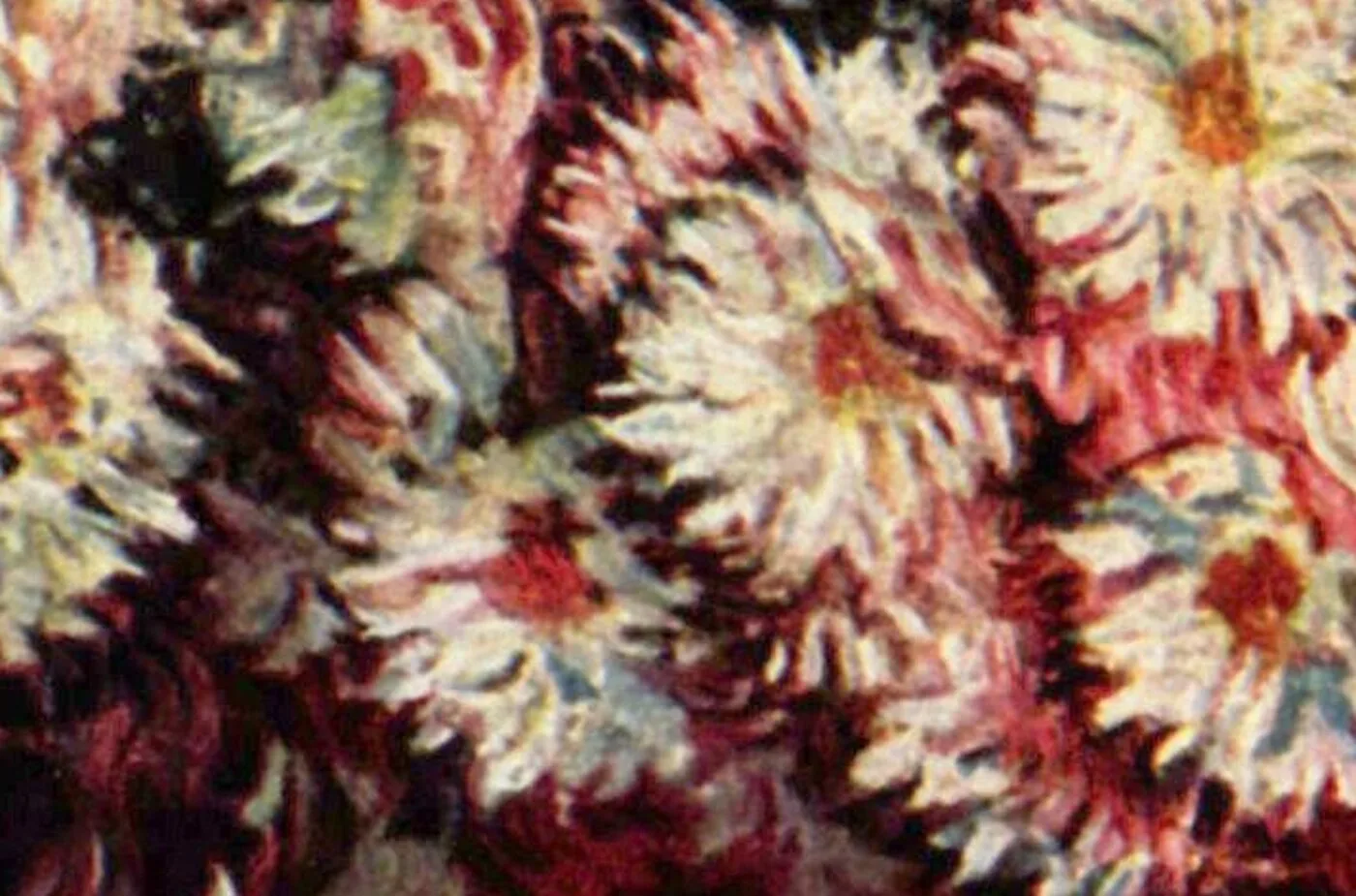
Chrysanths
1878
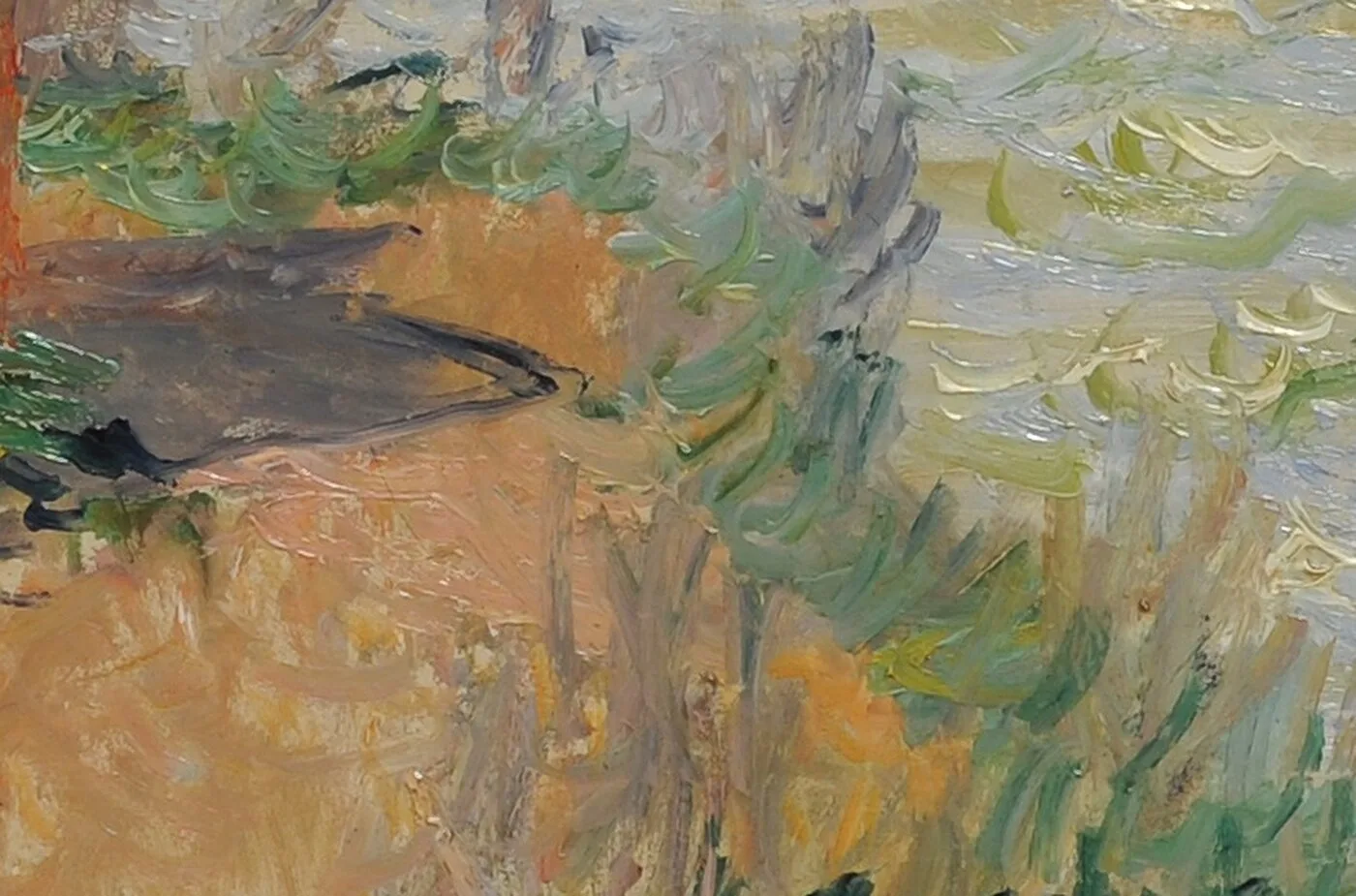
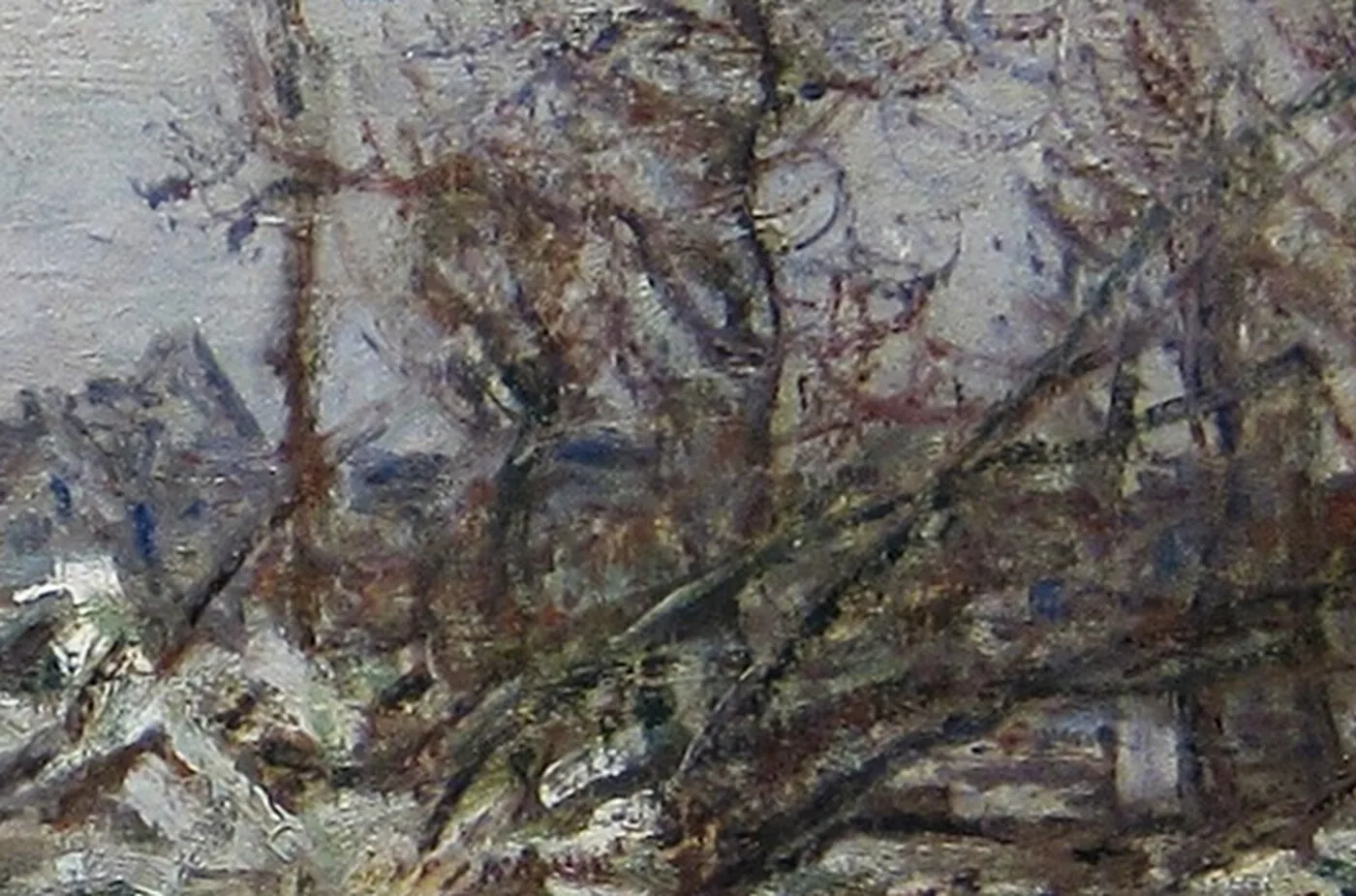
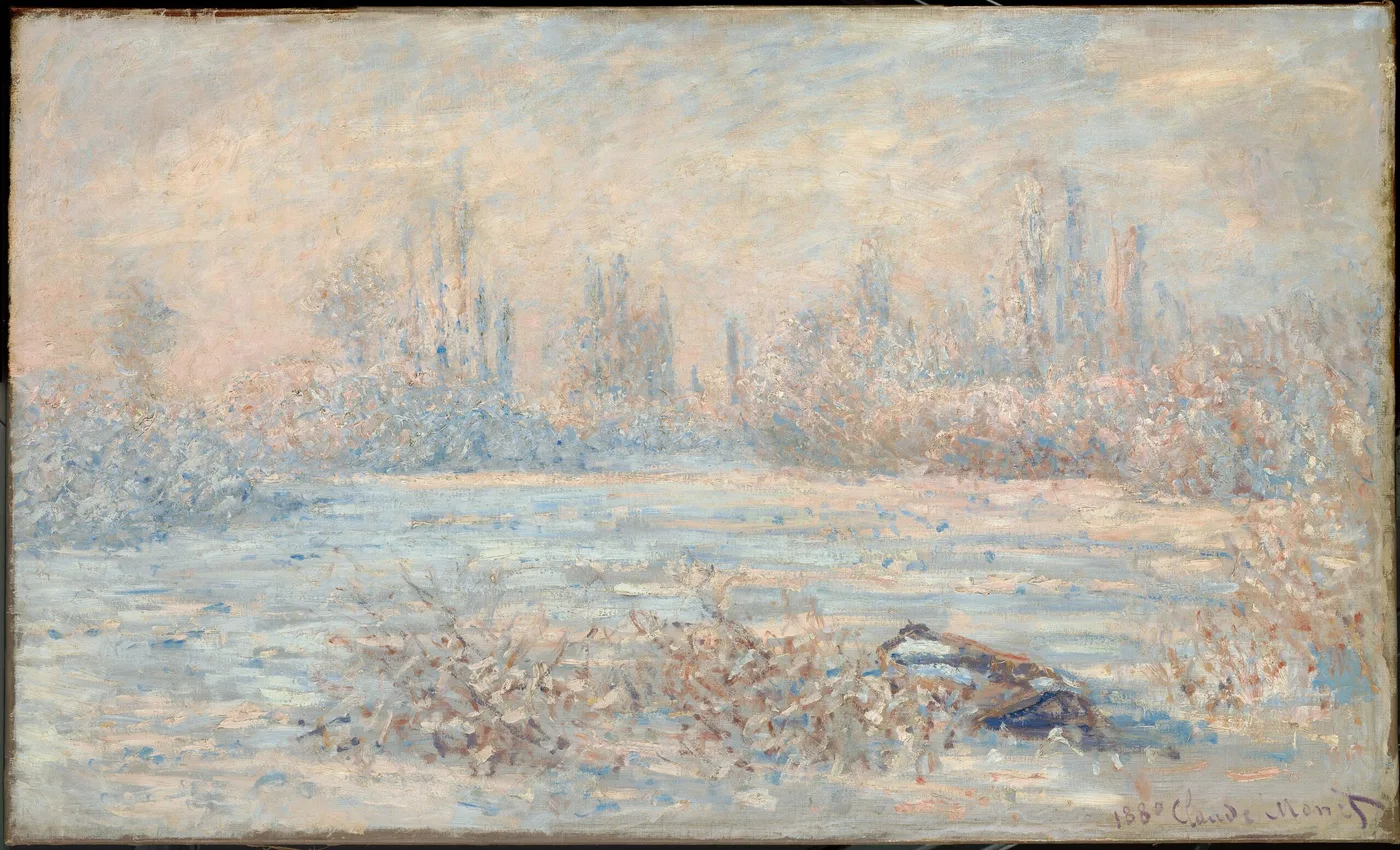
Frost
1880
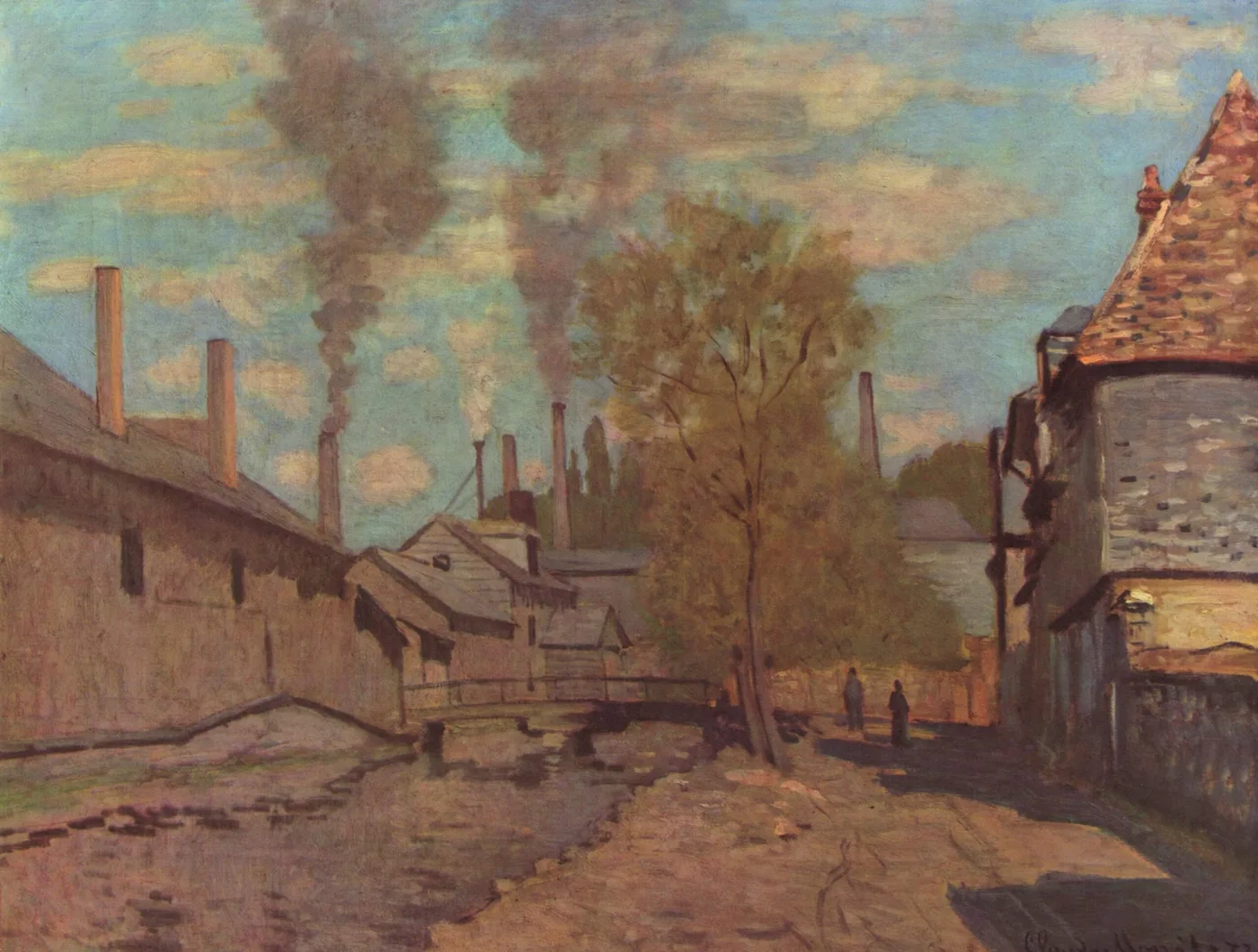
Robec Stream
1872
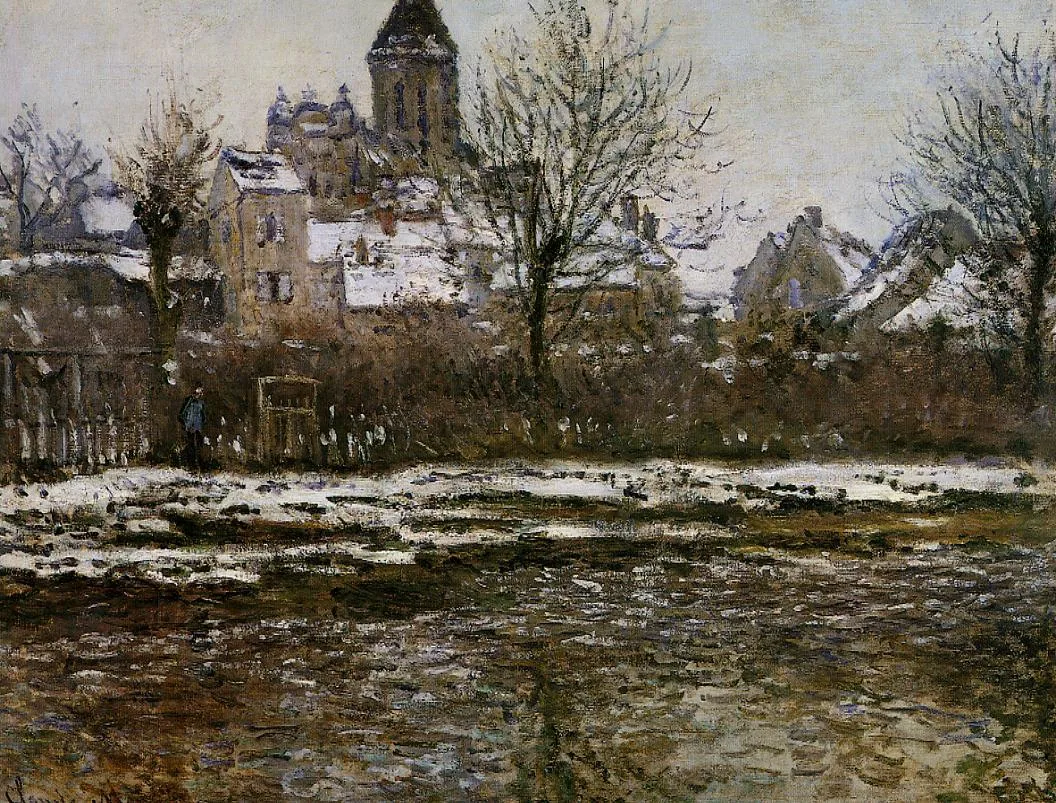
Snow Effect in Vétheuil
1878-1879
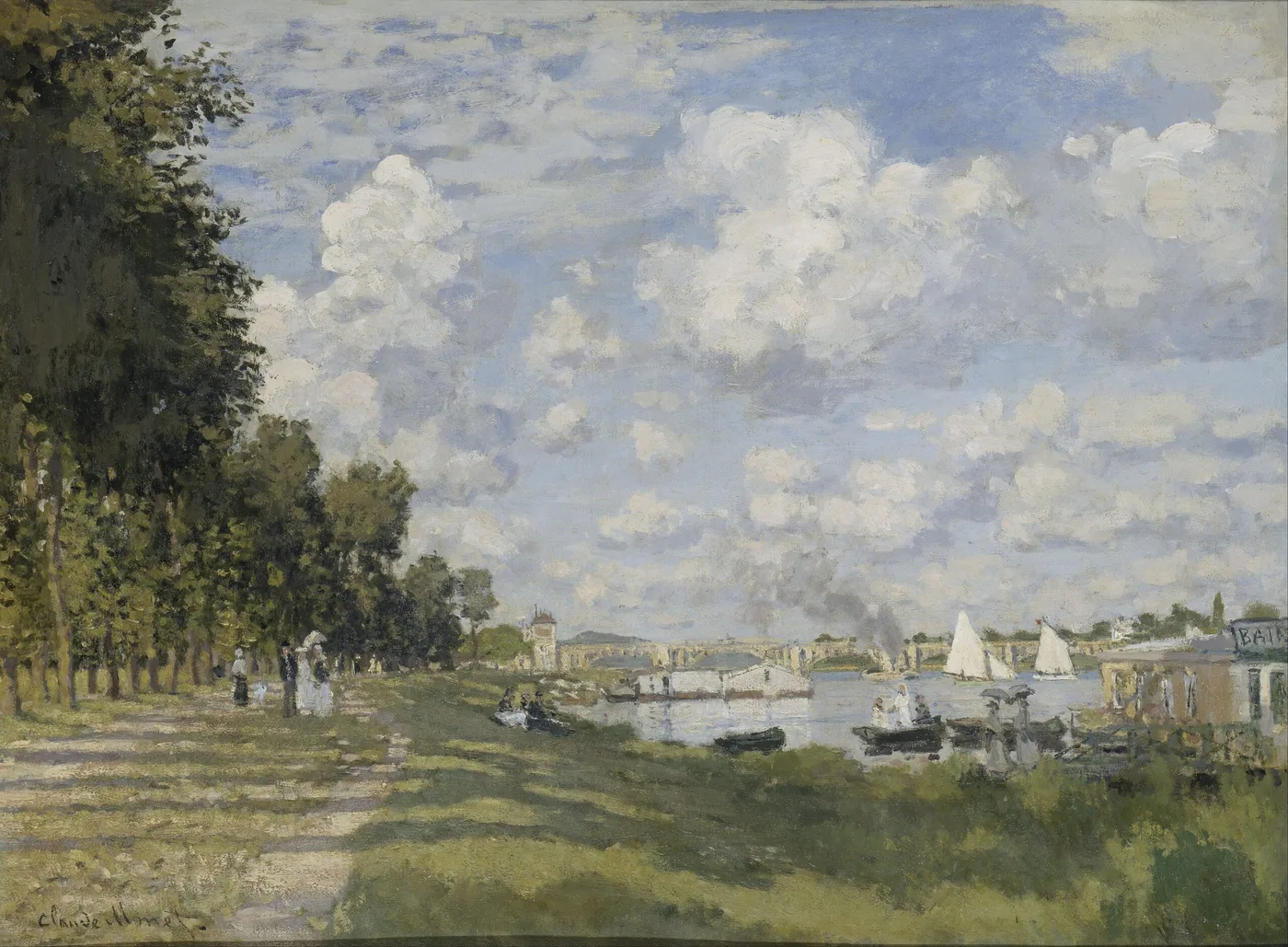
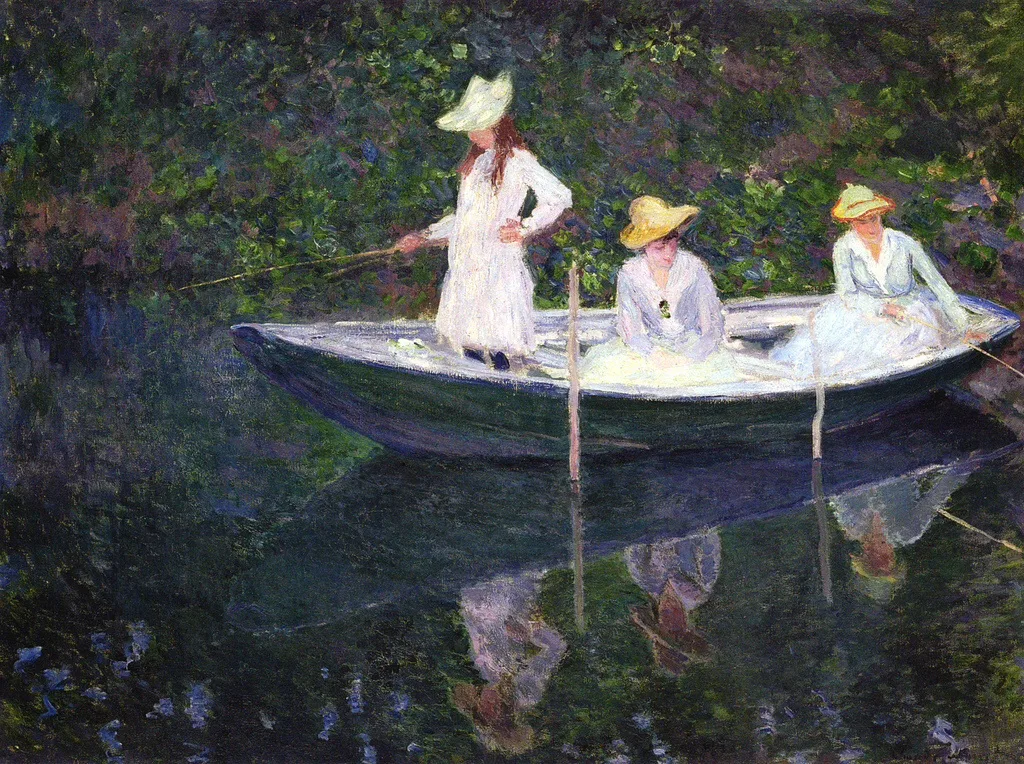
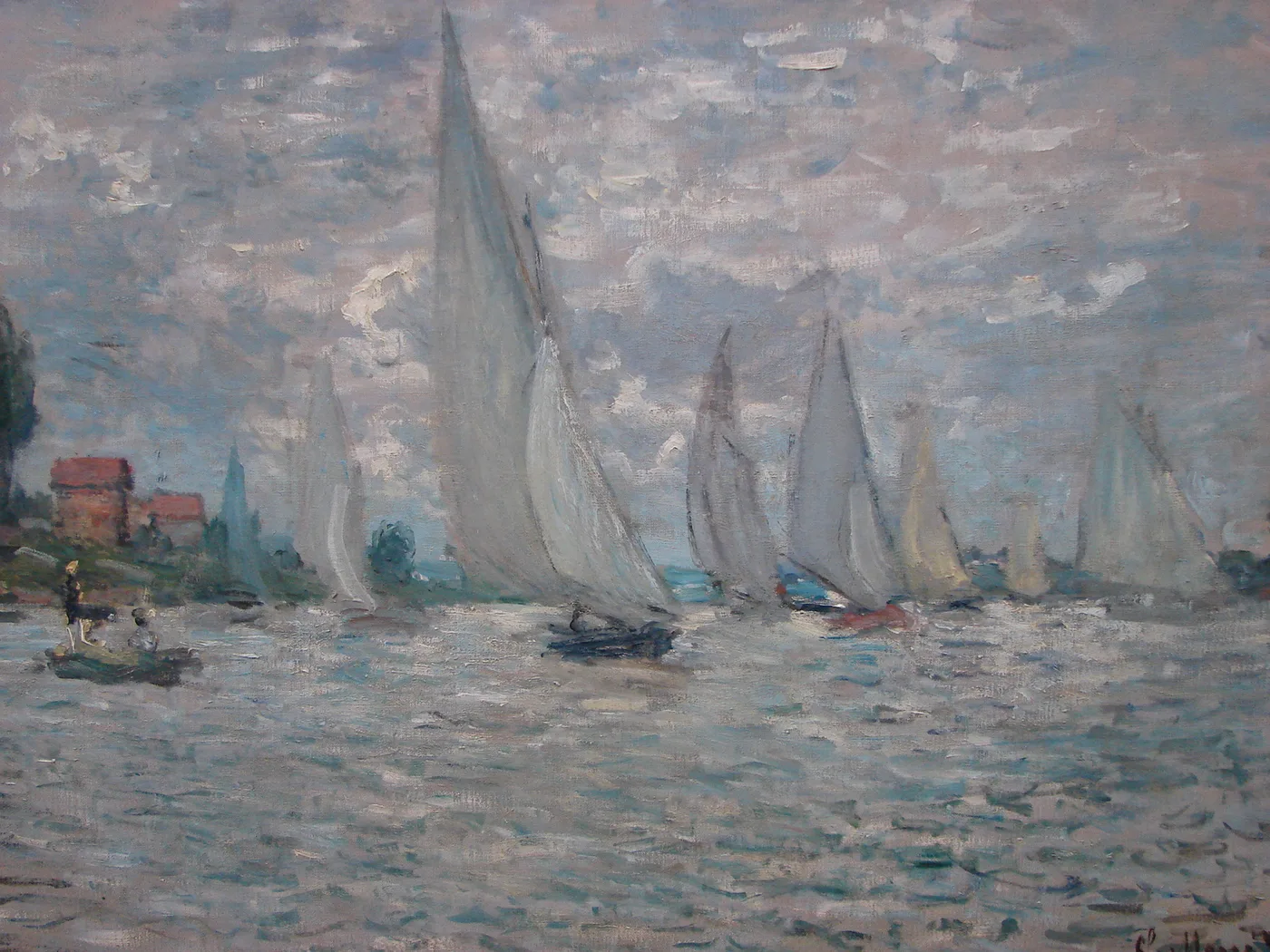
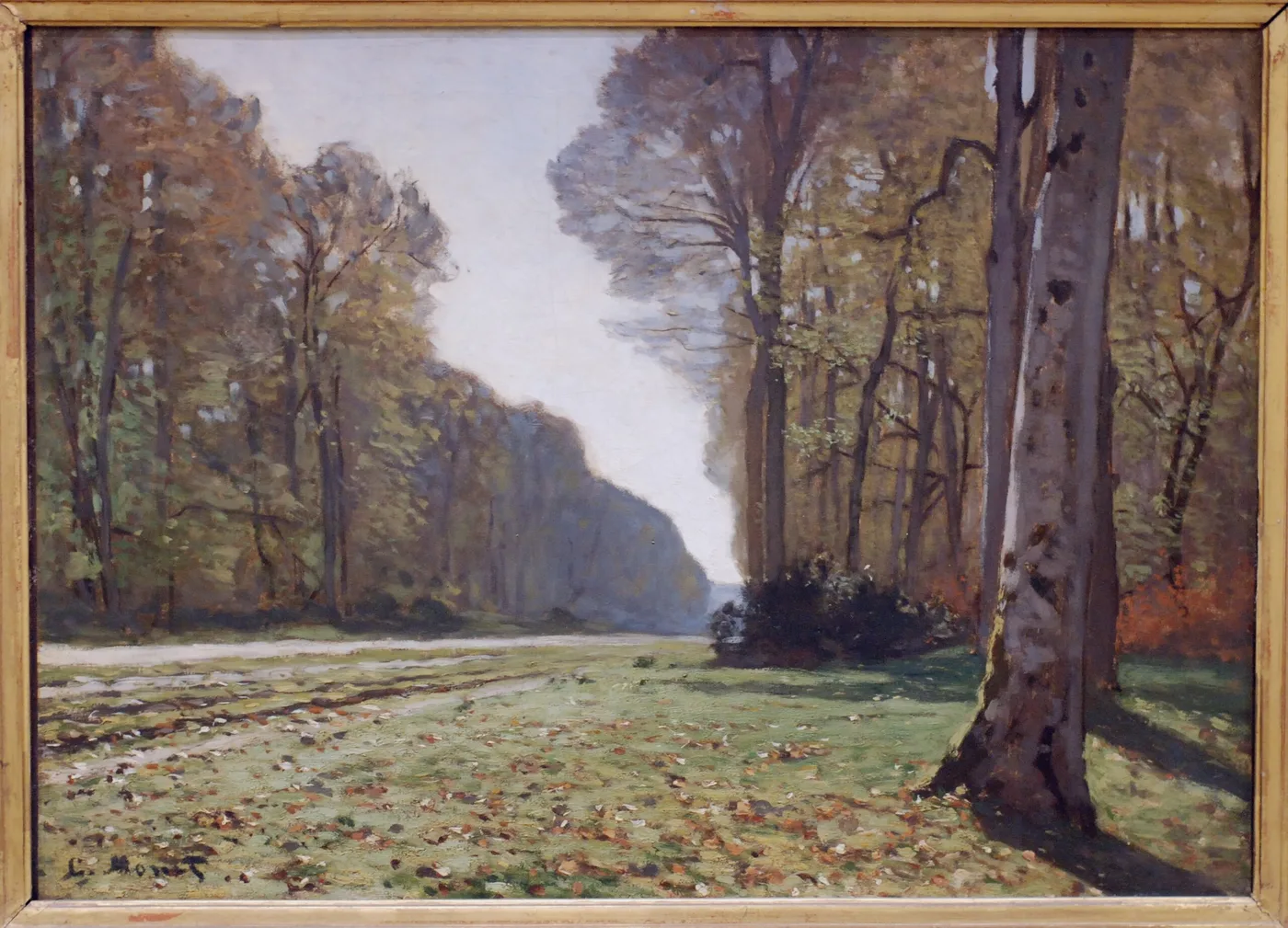
The Chailly Road
1860s
The Coalmen
1875
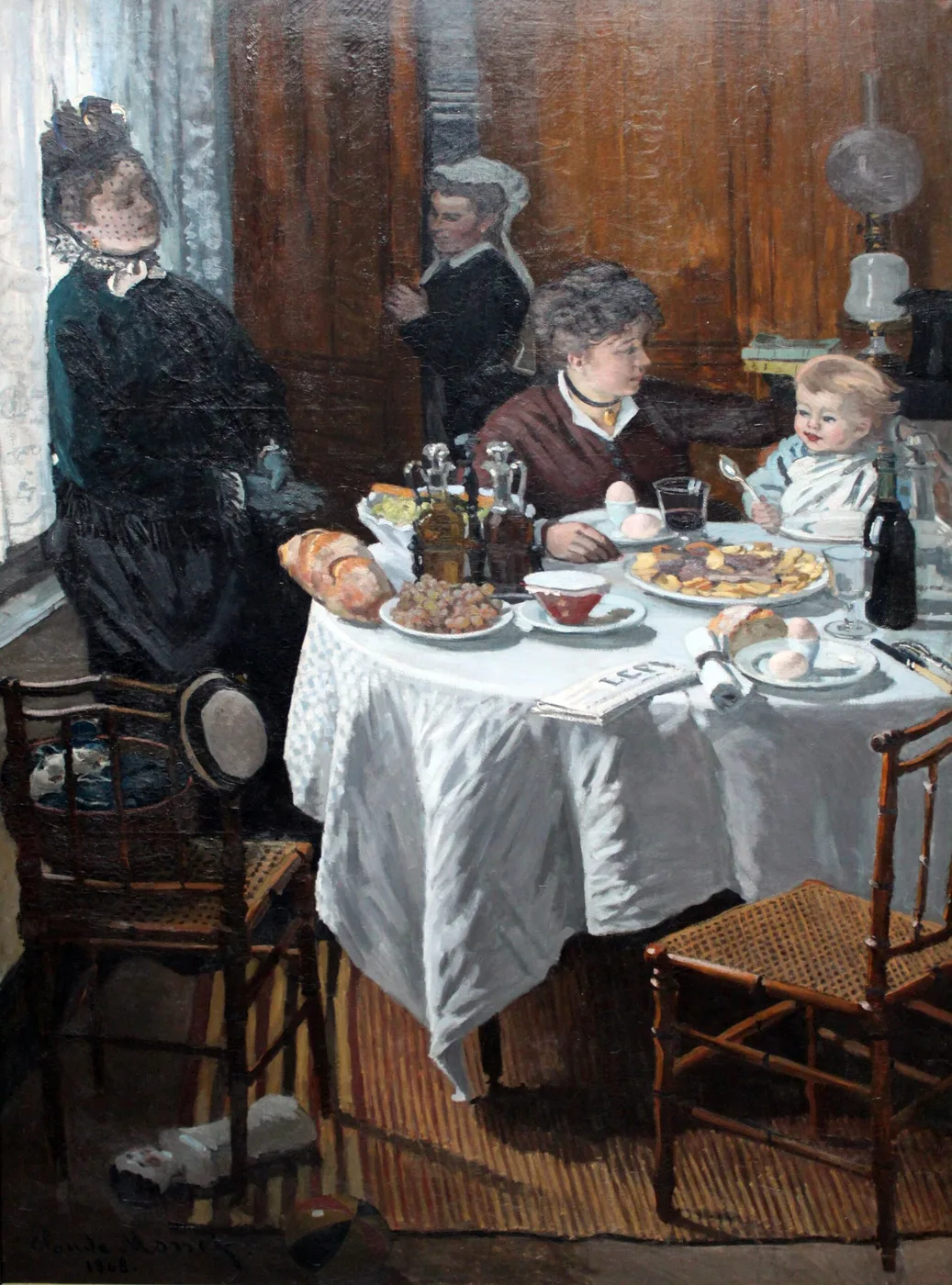
The Luncheon
1873
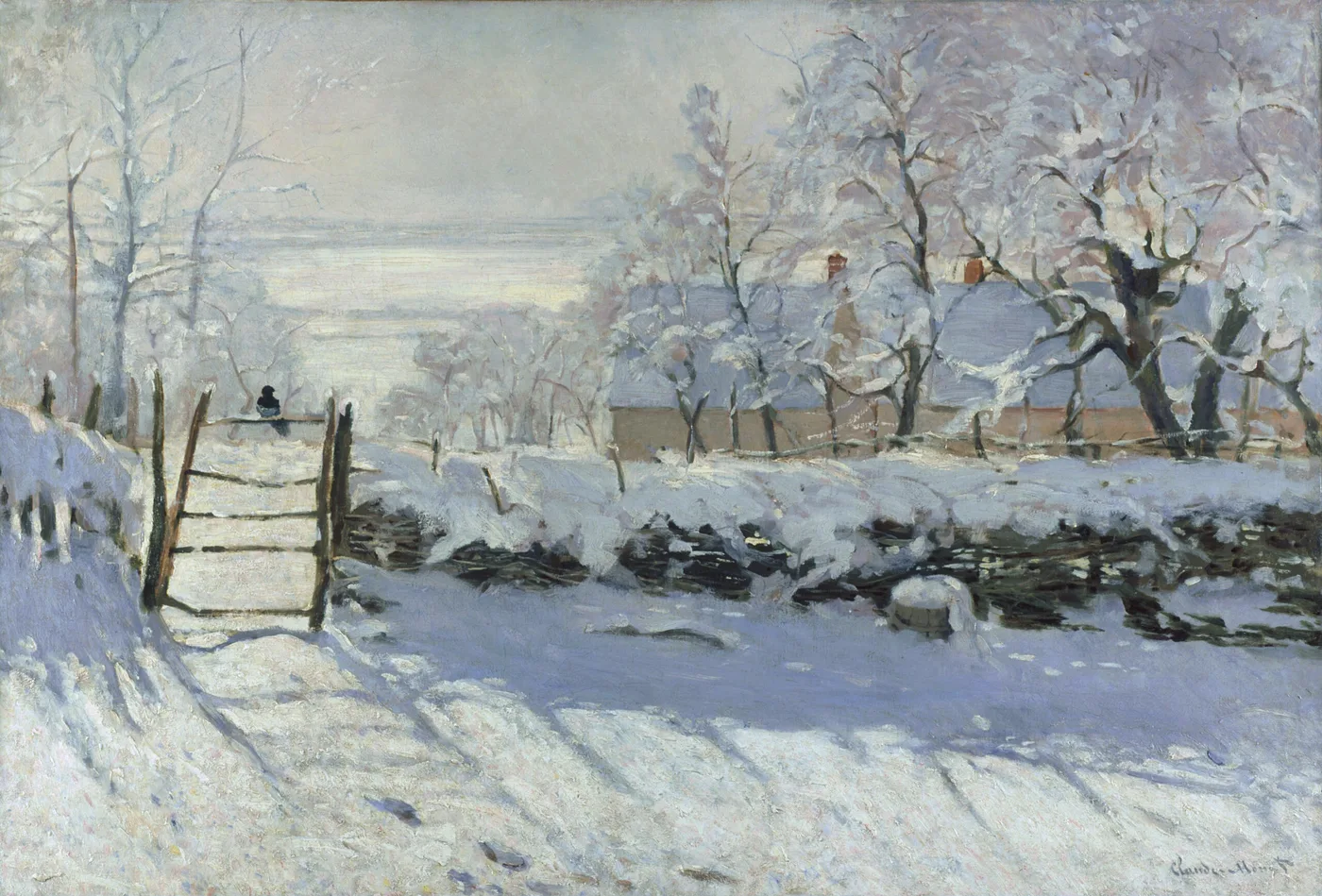
The Magpie
1868
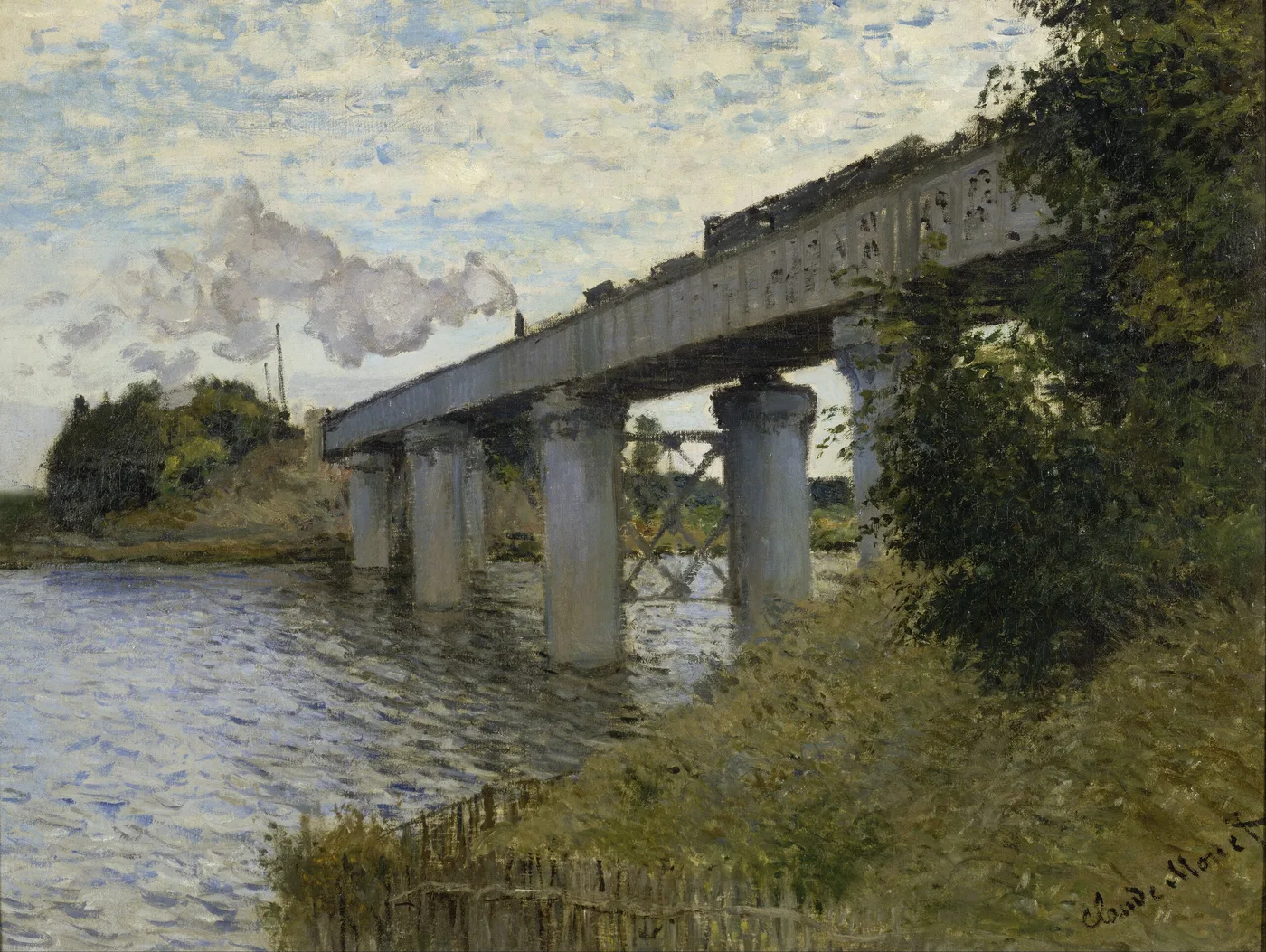
The Railway Bridge at Argenteuil
1873-1874
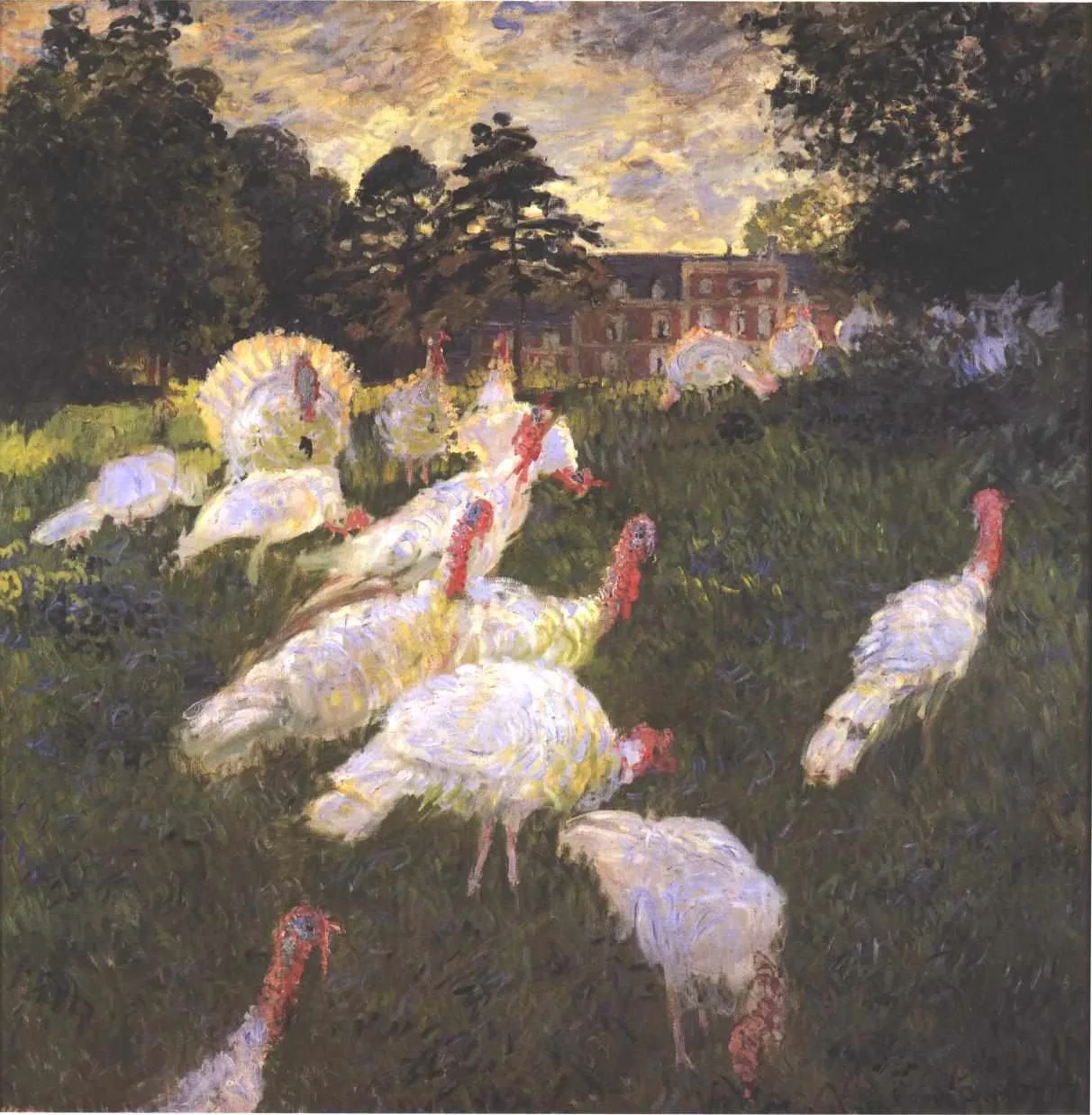
The Turkeys
1877
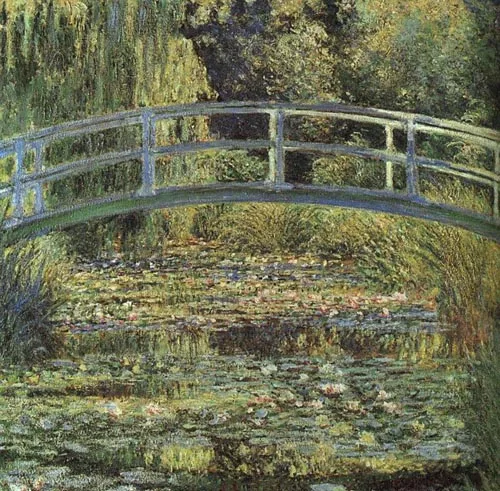
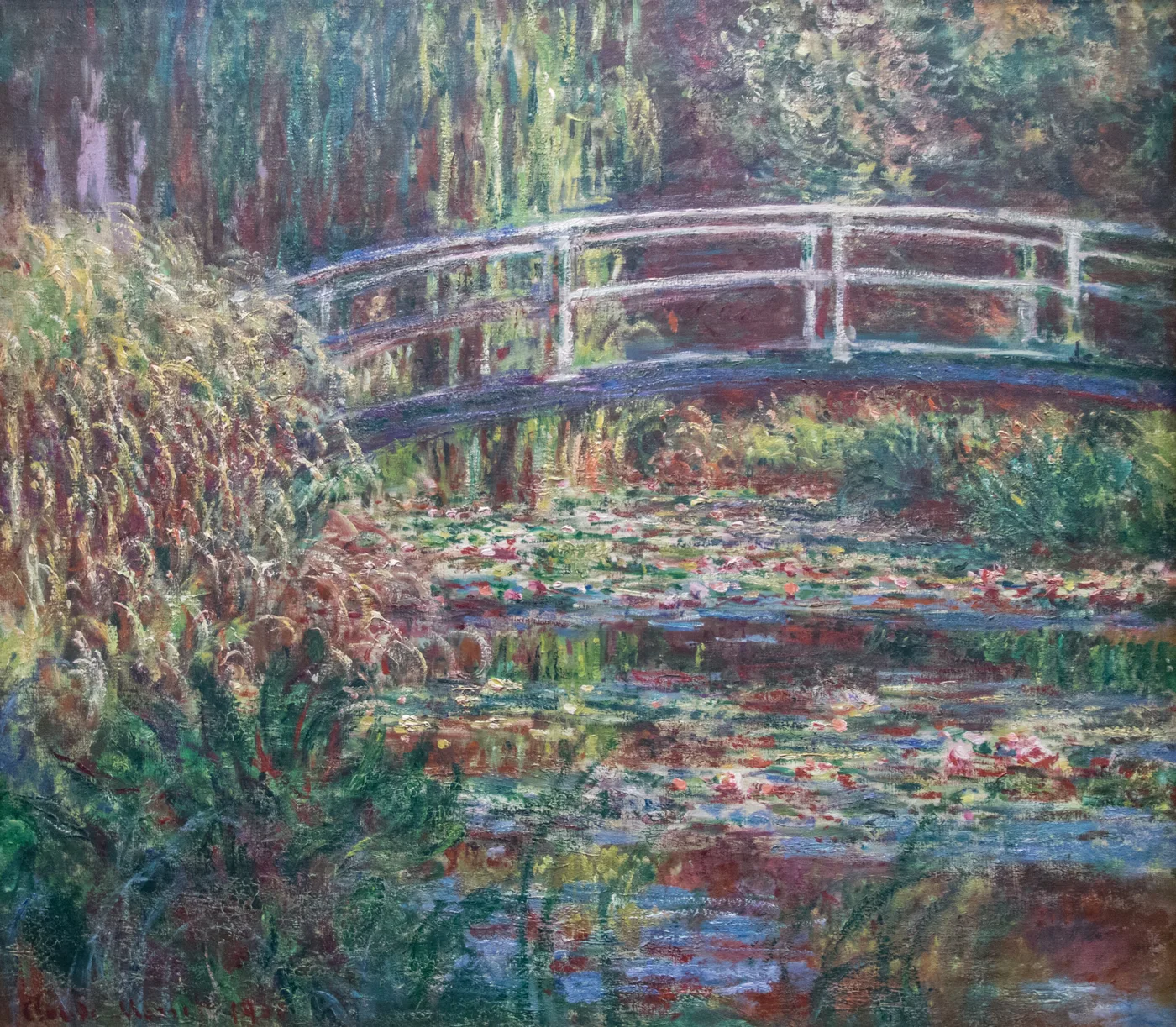
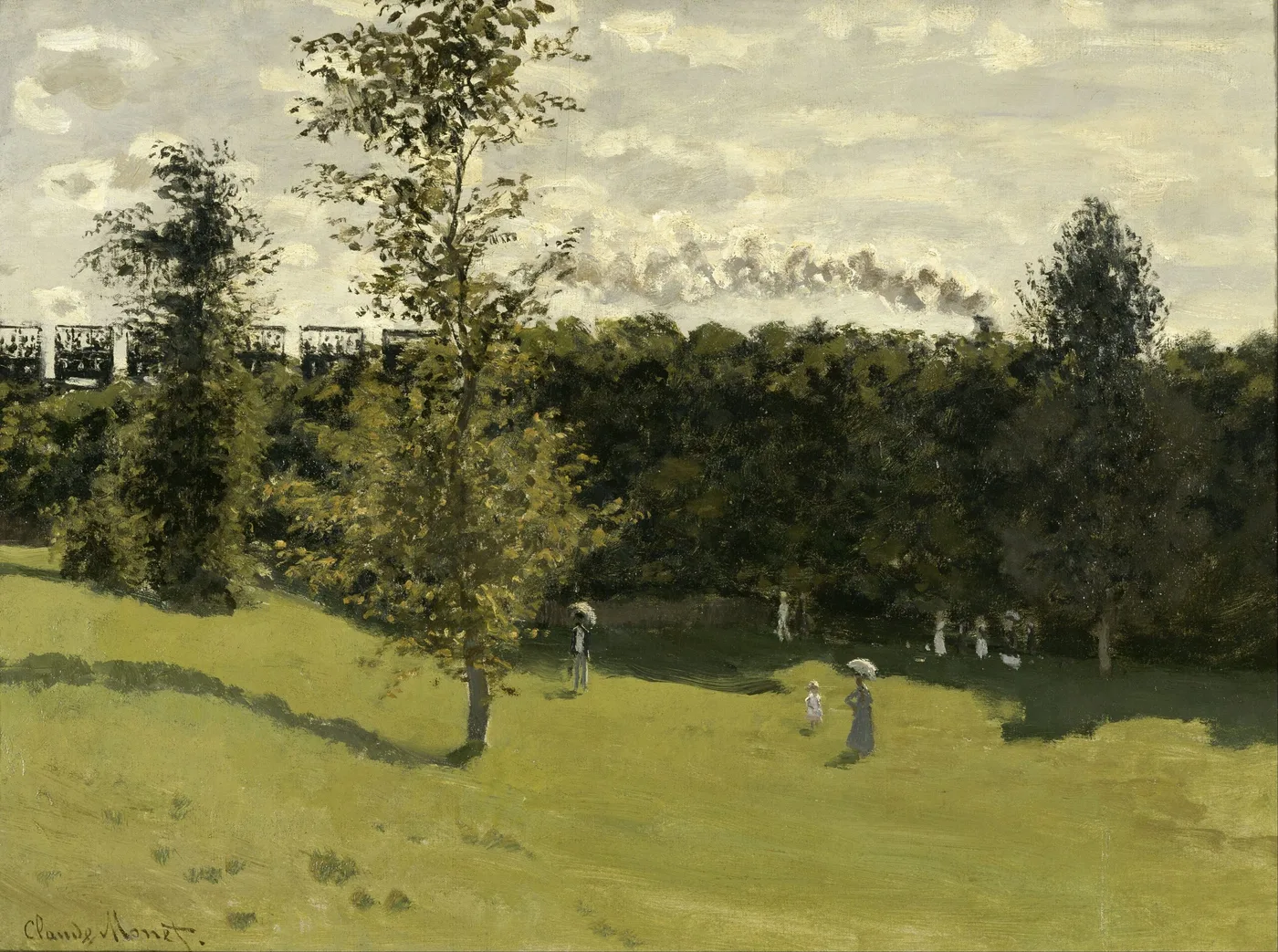
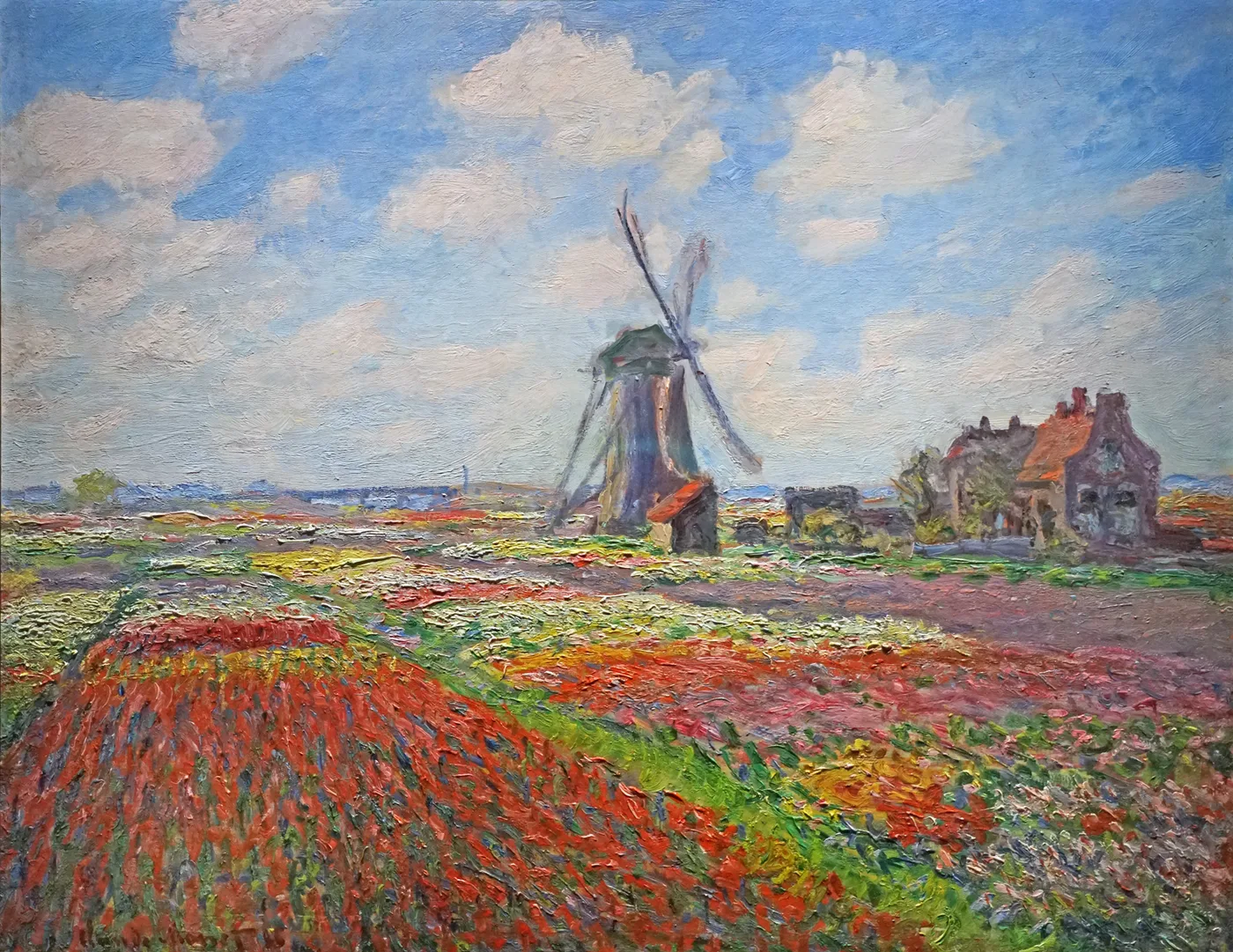
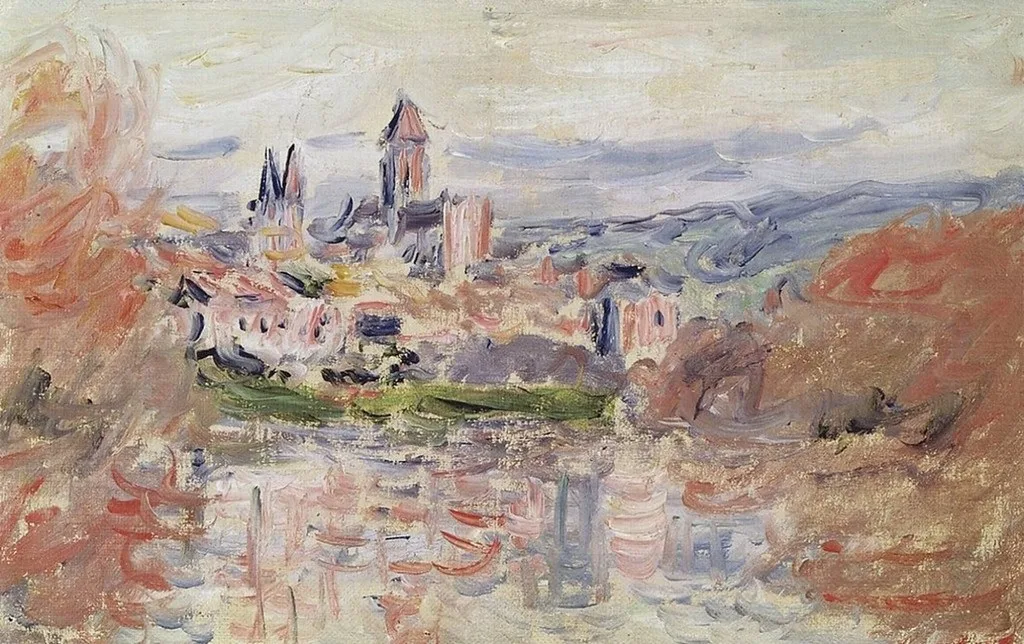
Vétheuil Village
1881
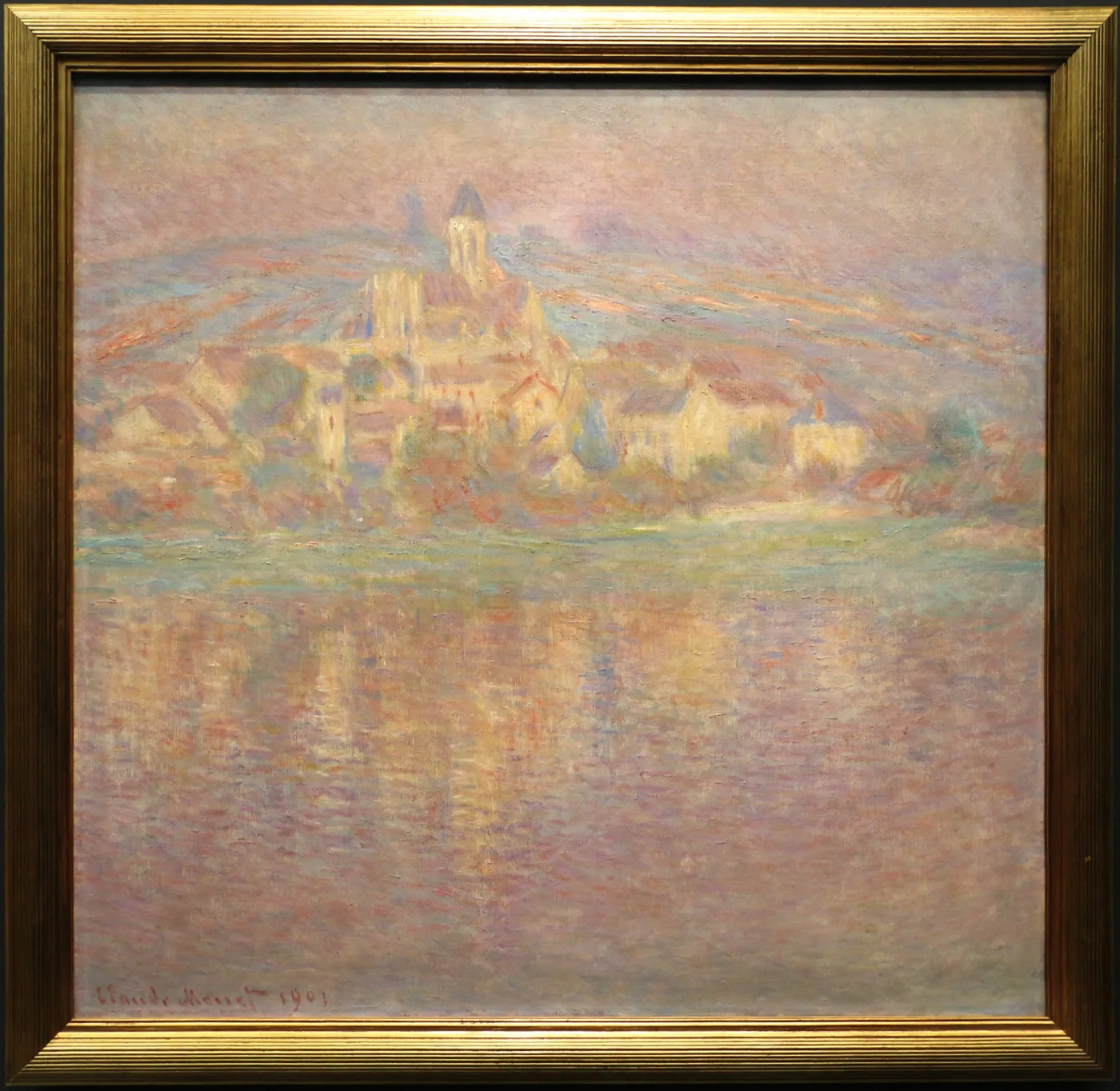
Vétheuil, Sunset
1900s
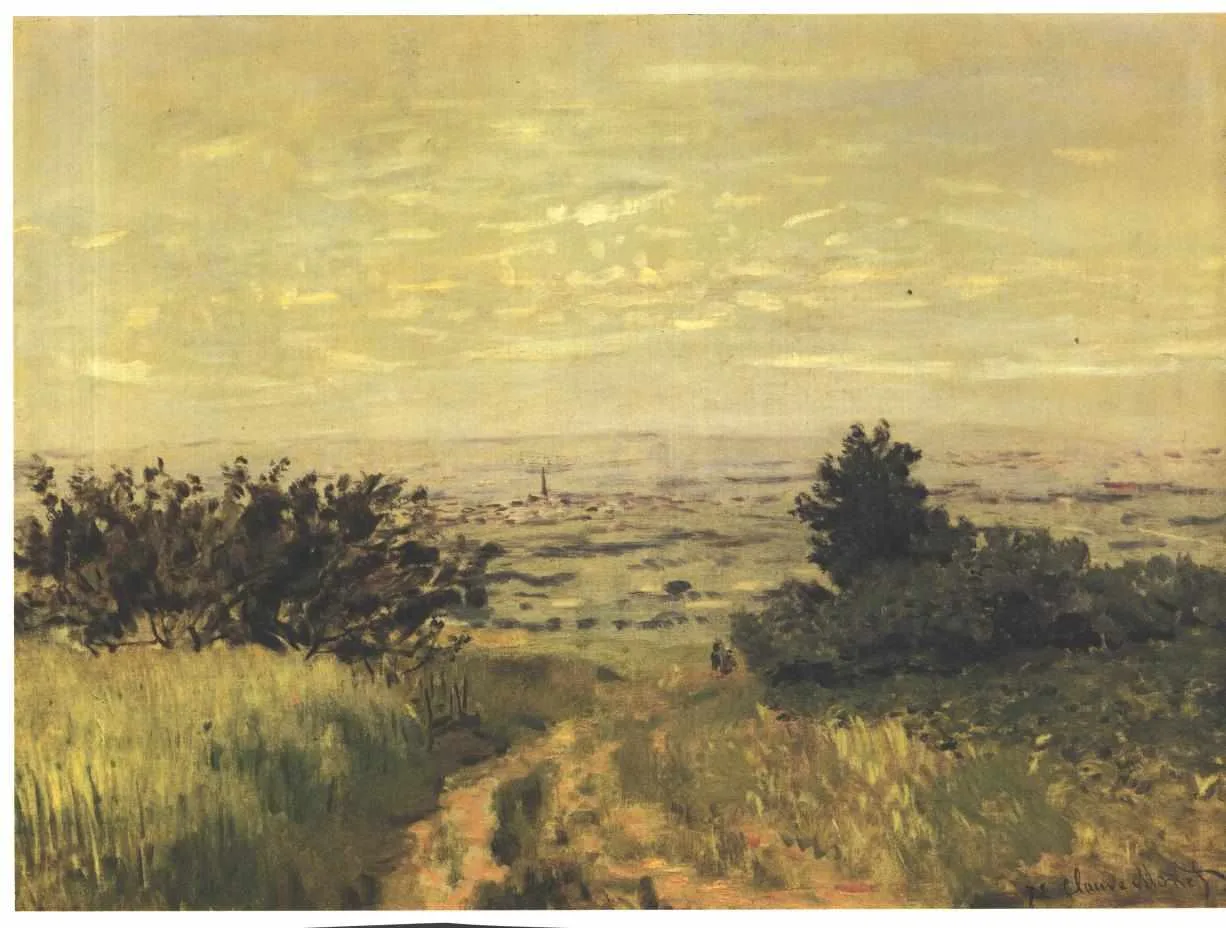
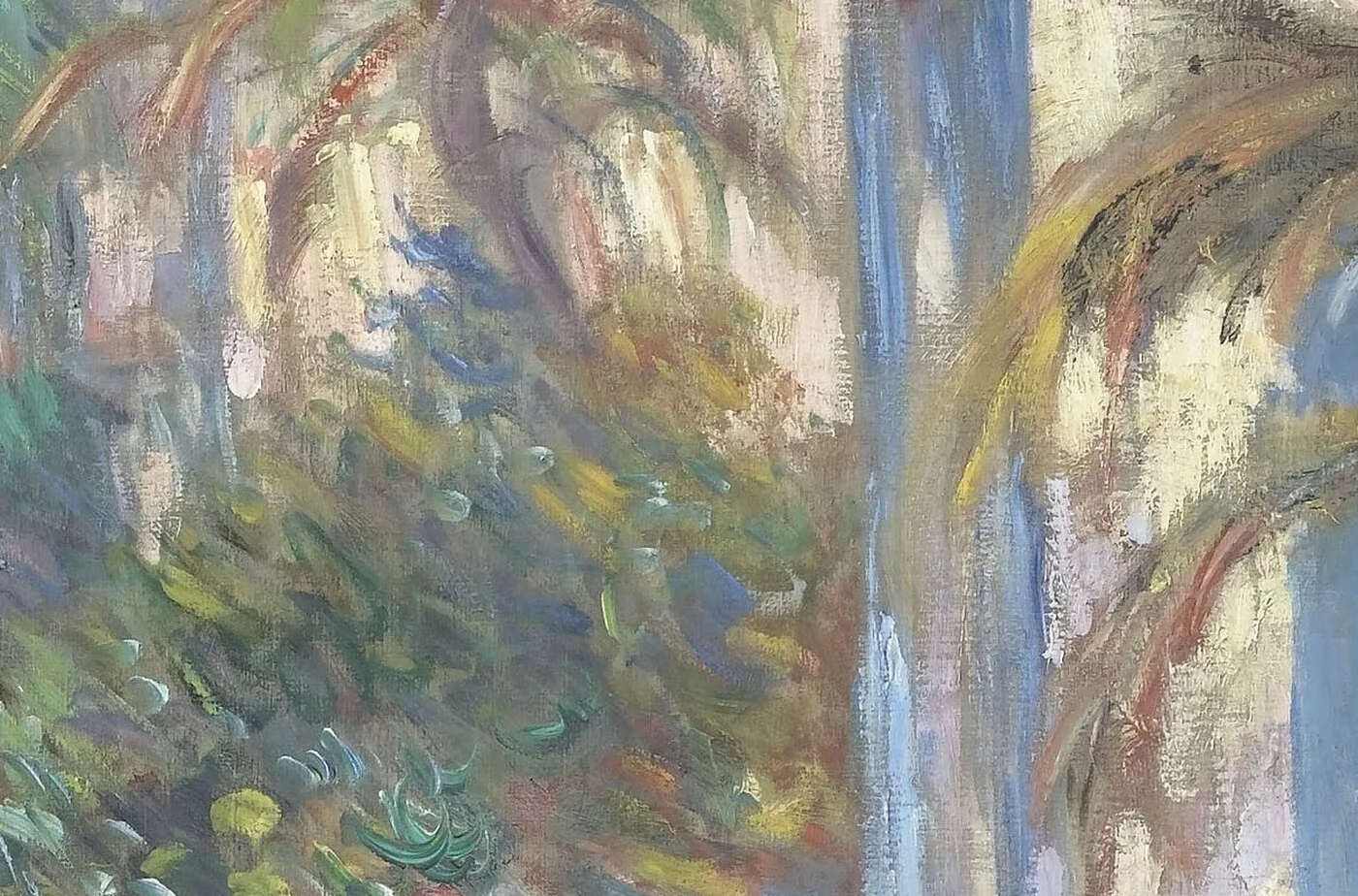
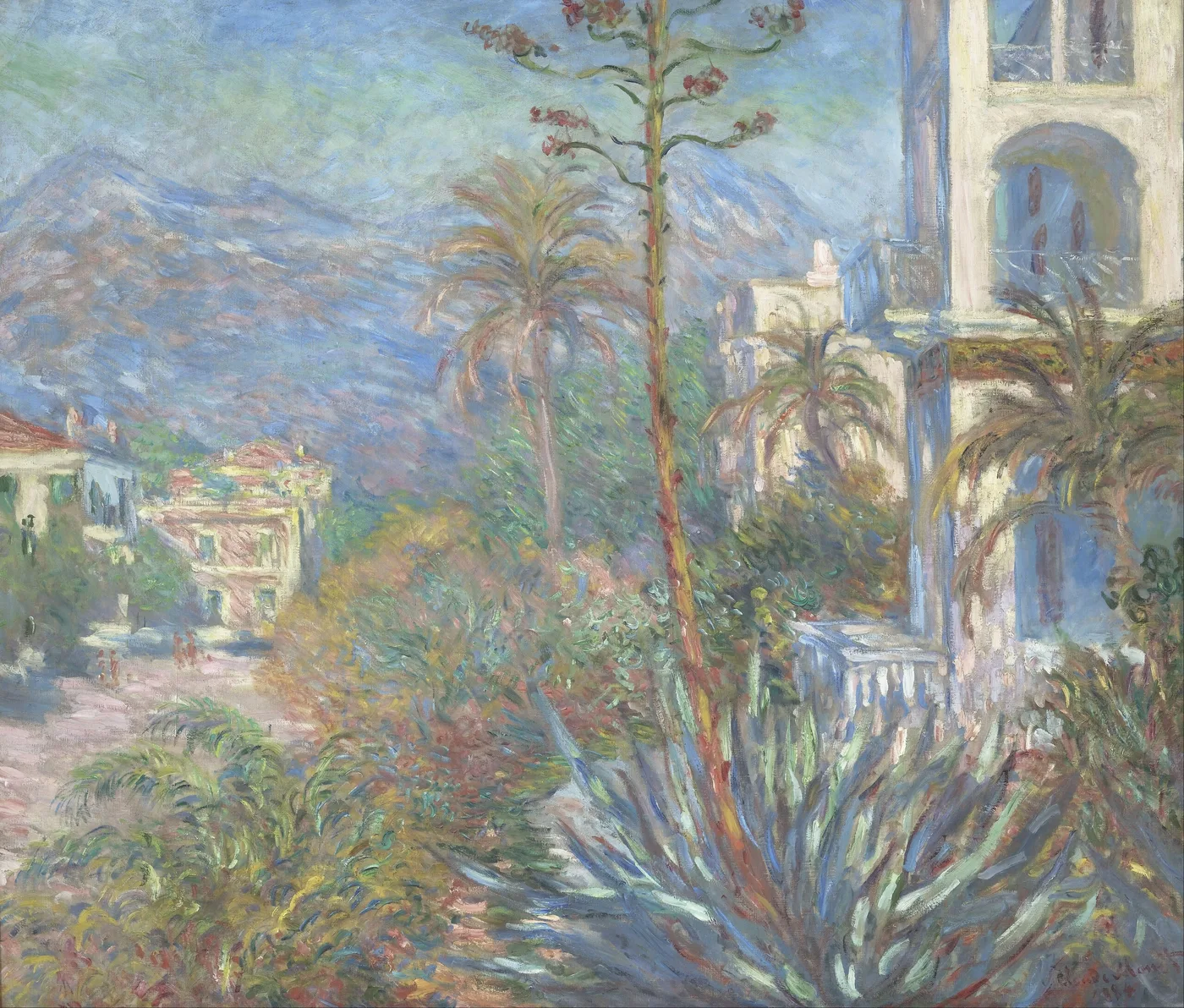
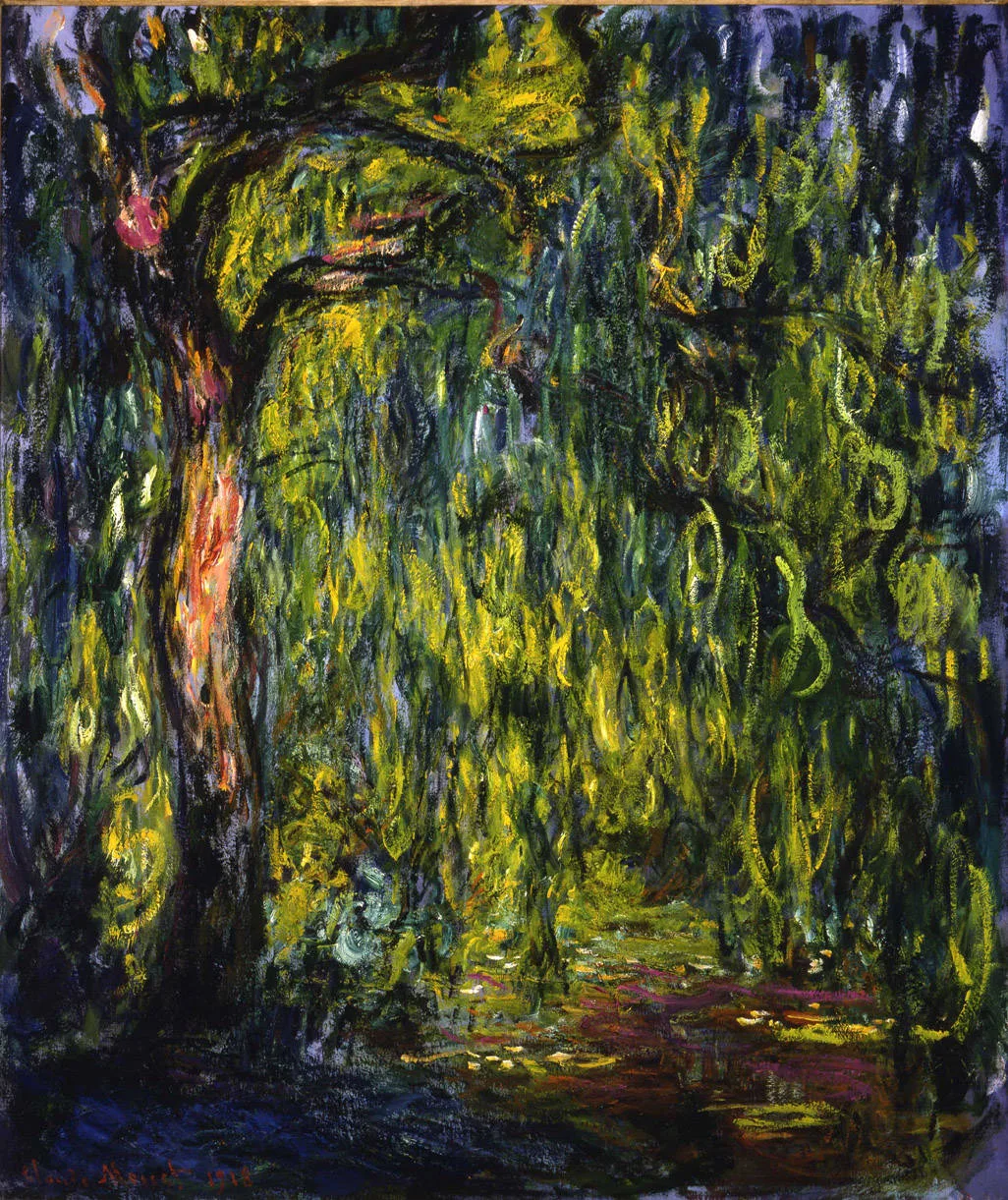
Weeping Willow
1920-1922
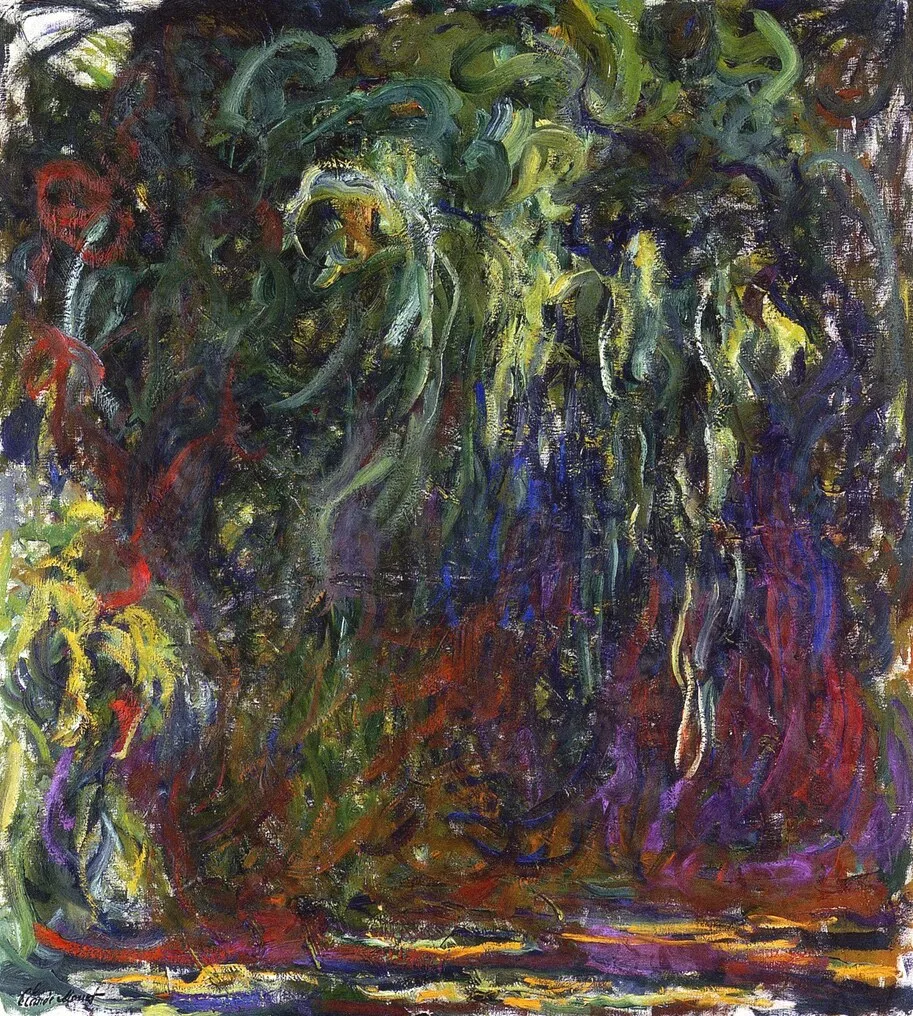
Weeping Willow
1920-1922
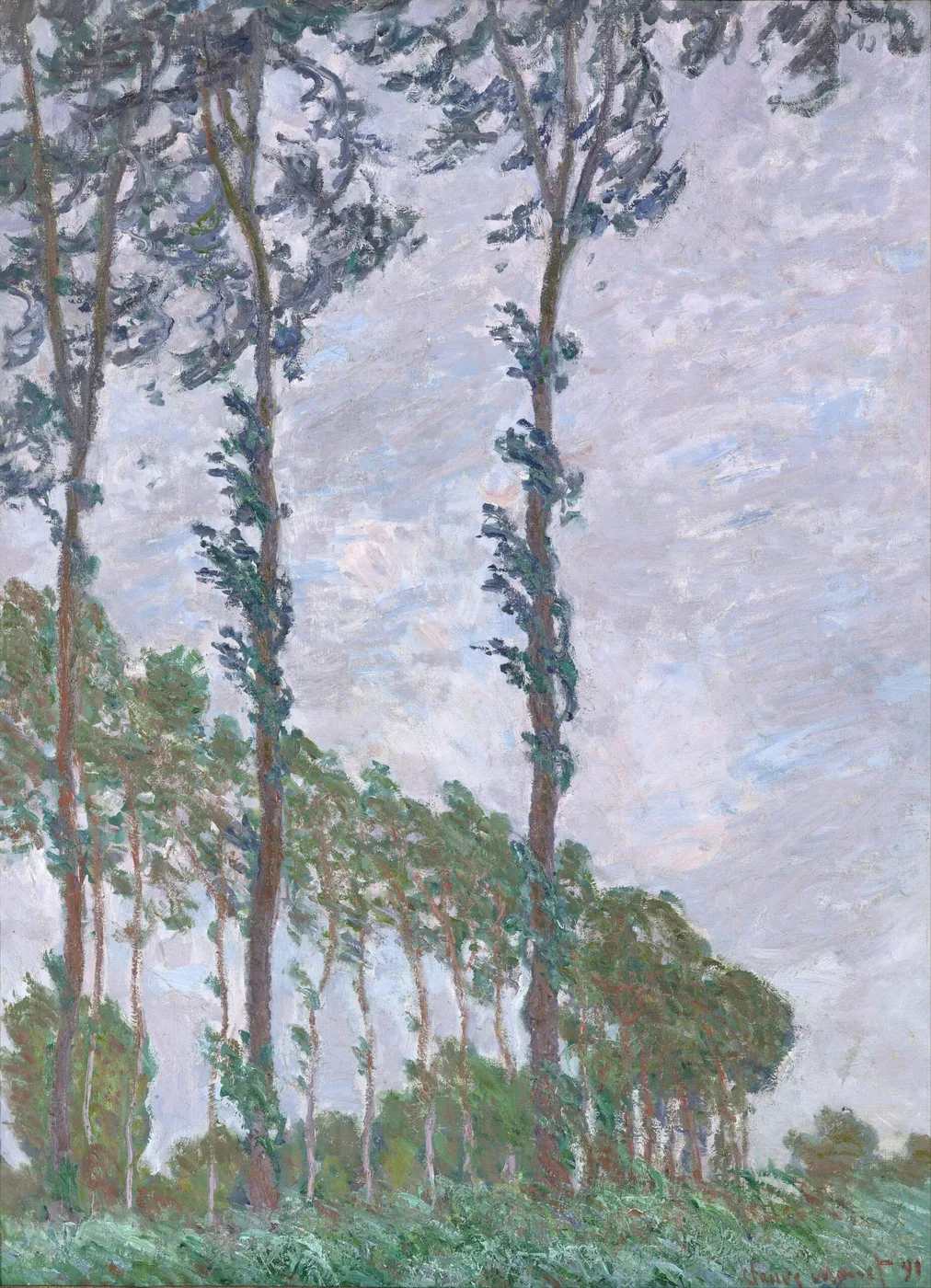
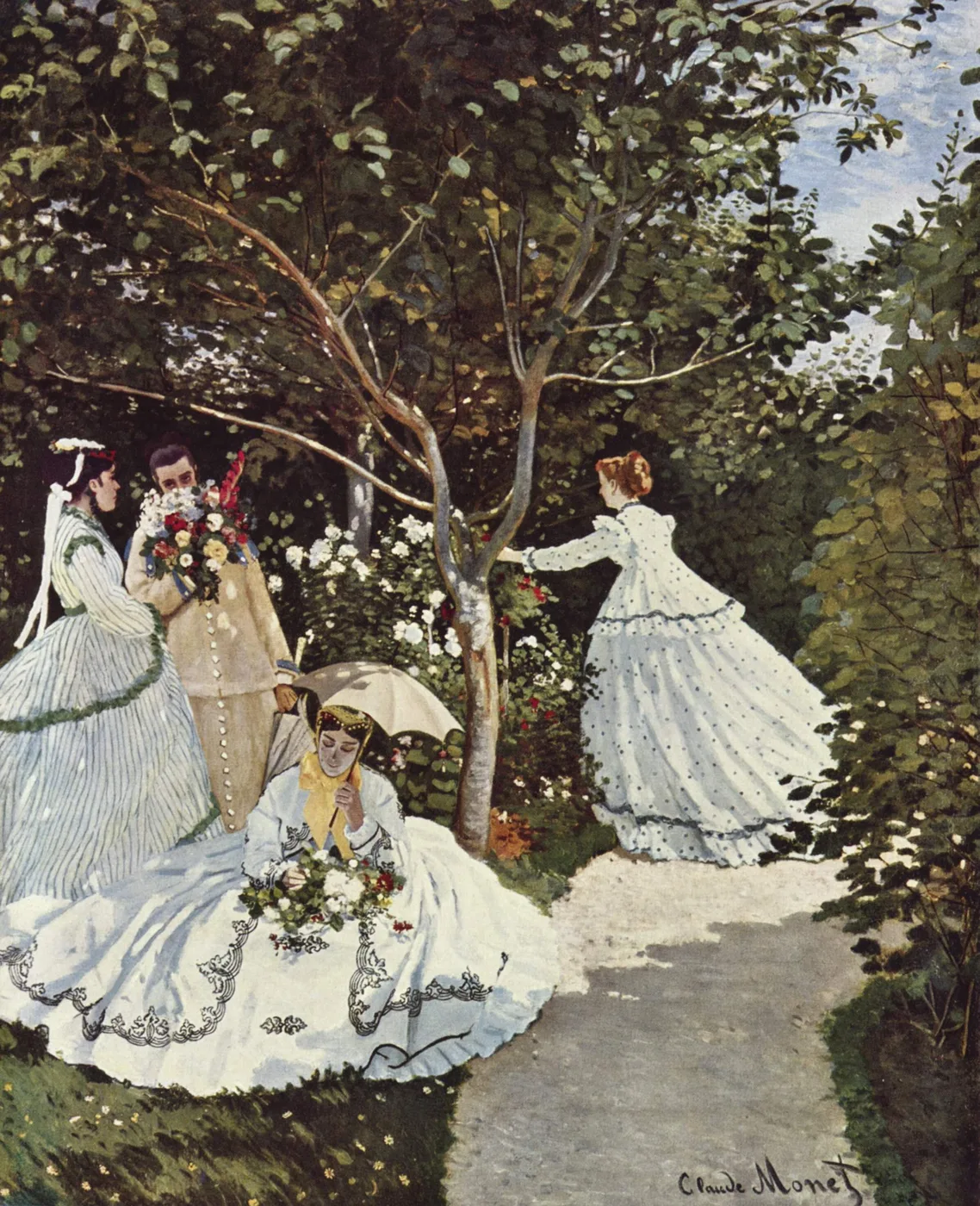
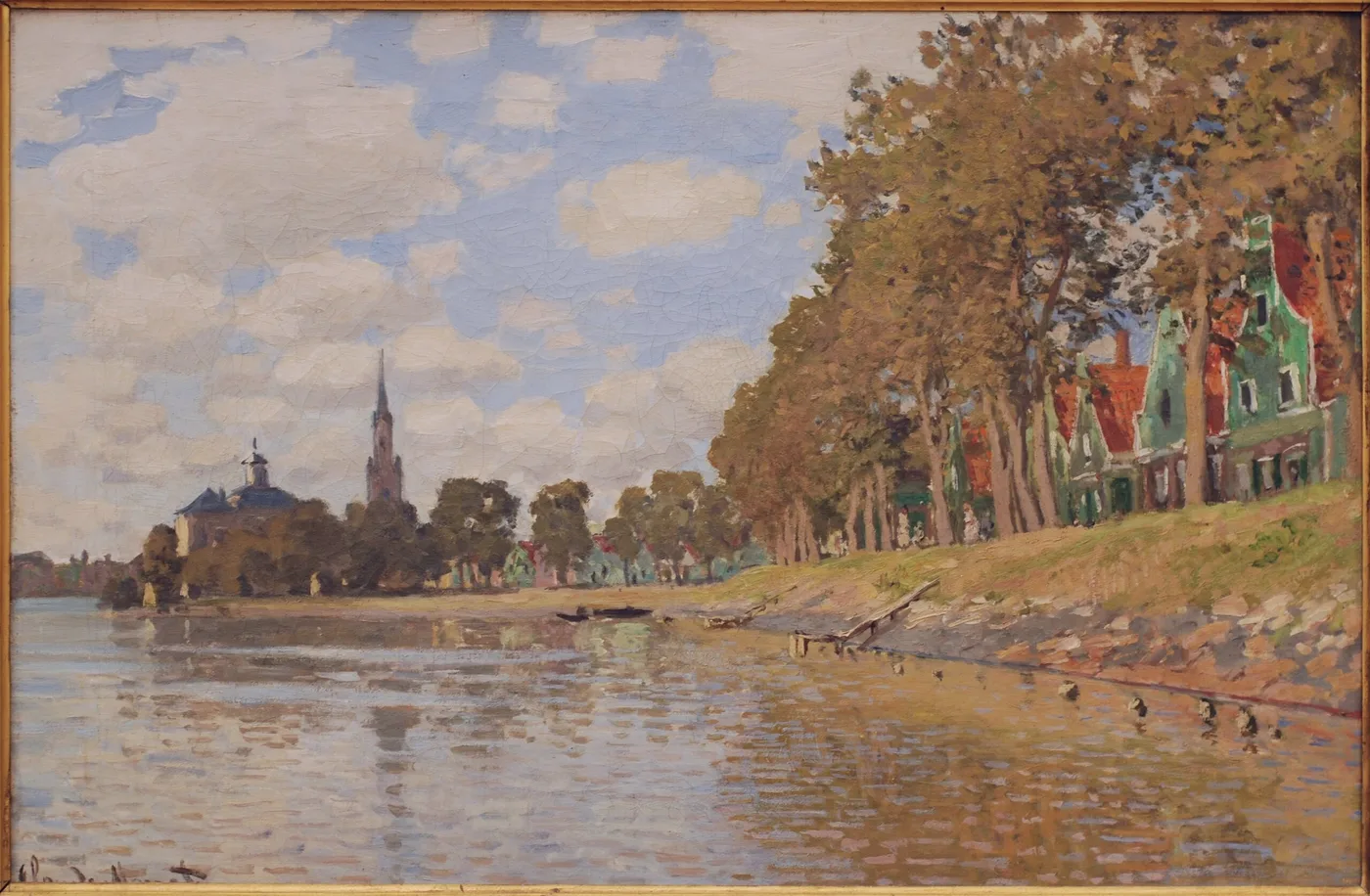
Zaandam
1871
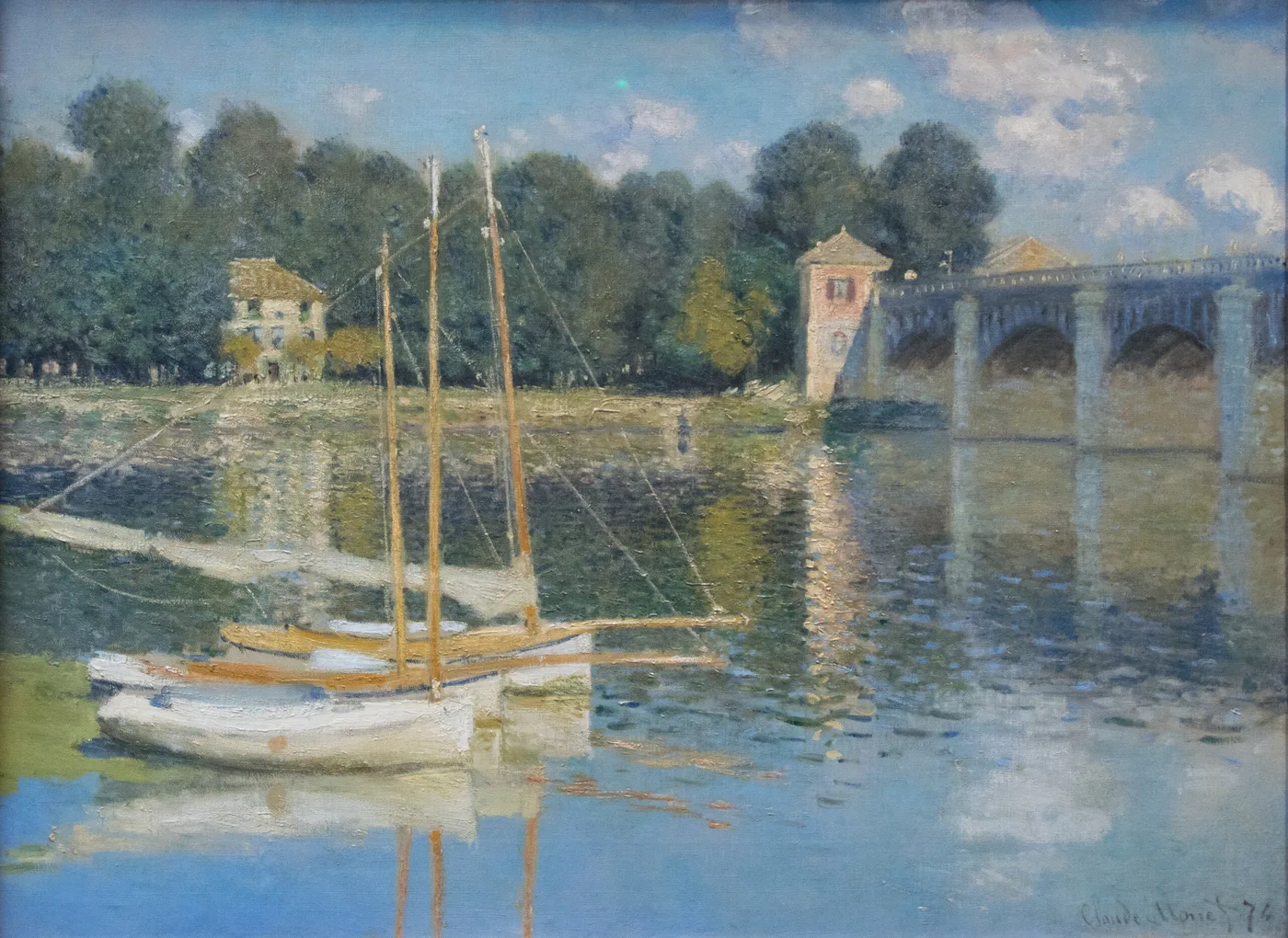
These paintings are the most quoted Monets in the world, which makes them a confident choice rather than a safe one. The Argenteuil and Normandy pictures bring clean greens, river blues and a lot of sky; they lift north-facing rooms that never get direct sun. The Rouen Cathedral canvases run warmer, through cream, apricot and dusty violet, and they hang beautifully as a pair or a trio on a single wall. The early figure paintings suit a dining room or landing where people slow down and look. If nothing here settles it, the wider collection is worth a browse.
Official collection: Musée d’Orsay